
UNESCO Supports Digital Arts Initiative in Morocco
In a groundbreaking initiative aimed at promoting digital creativity among Moroccan youth, the NUMUN (نومون) project has been launched in Rabat, with the support of UNESCO's International Fund for Cultural Diversity. This project seeks to enhance access to digital arts and broaden youth participation in technology-related cultural practices. Spanning from 2026 to 2028, NUMUN strives to empower young people, particularly young women, by providing them with tools and opportunities to engage in innovative artistic expressions associated with modern technologies.
Key Features of the NUMUN Project
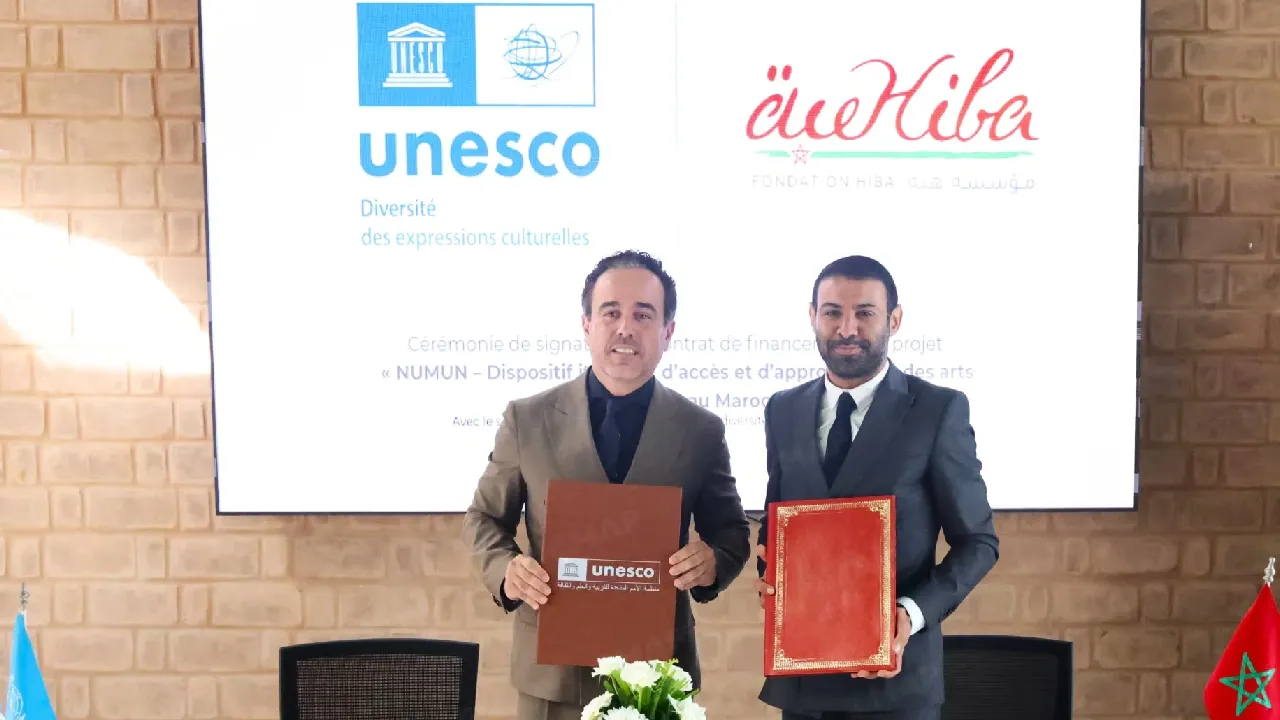
On September 18, 2026, a partnership agreement was signed in the presence of representatives from UNESCO and the Hiba Foundation, among other stakeholders. The program aims to enhance the digital arts skills of youth, offering them avenues to explore new forms of artistic and cultural expression through technology. The NUMUN project comprises interactive workshops, artistic interventions, and various creative experiences that encourage participants to experiment with and reinvent digital creativity.
Furthermore, a unique aspect of the initiative includes the documentation and data collection regarding the usage and practices of digital arts. This will significantly contribute to the discourse surrounding the integration of these fields within cultural policies. The project also features a mobile digital arts platform that will reach audiences in six neighborhoods of Rabat and three rural areas, ensuring free access to digital artworks and training activities focused on creative tools. This outreach aims to extend the benefits beyond traditional cultural spaces, making digital arts accessible to a broader audience.
According to Sharaf Ahmimad, the regional director and UNESCO representative for Maghreb countries, the initiative is specifically designed to facilitate access for youth, especially young women, to digital creativity tools and practices. Marwan Fashan, the general director of the Hiba Foundation, emphasized that the project aims to reduce disparities in access to digital arts and cultural practices between urban centers and semi-urban or rural areas.
As reported by journal24.ma.