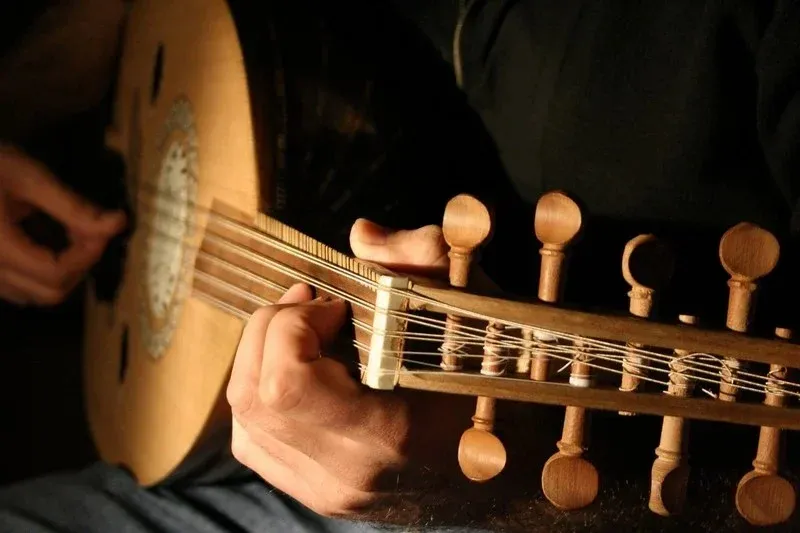

UNESCO is anticipated to make crucial decisions regarding cultural heritage nominations from various countries worldwide, with a particular focus on several joint nominations involving Morocco. These nominations highlight the rich cultural tapestry of the region, including two collaborative nominations with other Arab nations concerning the oud, a traditional musical instrument, as well as the skills and traditions associated with the use of palm fronds and plant fibers. Additionally, Morocco has submitted a nomination alongside Spain regarding the knowledge, skills, and practices linked to the use of "halfa" (a type of grass).
The Oud: A Symbol of Cultural Connection
The joint nomination titled "The Oud: Practices, Skills, and Performance Arts" involves Morocco collaborating with countries such as Iraq, Egypt, Palestine, Bahrain, Qatar, Saudi Arabia, the UAE, Algeria, Yemen, Mauritania, Tunisia, Oman, Kuwait, Sudan, and Jordan. The proposal emphasizes that the oud is traditionally played during various family gatherings, social events, and life celebrations, including births and weddings. It is not merely an instrument but serves as a means for socialization among generations. The oud fosters social connections among artisans, musicians, and trainees from diverse cultural, religious, and ethnic backgrounds, creating an atmosphere of camaraderie and cooperation.
The document highlights the esteemed status of oud players and artisans within their communities, attributing this to their artistic creativity and exceptional skills. Families often take pride in decorating their names on the oud with Arabic calligraphy, showcasing a deep emotional bond that professional oud players have with their instruments, which they view as an integral part of their identity. The participating countries assert that including this element in UNESCO's list will significantly raise awareness of the importance of intangible cultural heritage and promote dialogue among diverse cultural identities, facilitating the exchange of knowledge, experiences, and ideas to foster creativity and innovation in the realm of intangible cultural heritage, ultimately benefiting current and future generations.
Halfa: A Traditional Craft Facing Challenges
The joint Moroccan-Spanish nomination titled "Halfa: Knowledge, Skills, and Practices" focuses on the craft surrounding halfa, kadim, asl, and ari—techniques related to traditional industries utilizing specific types of plants, with an urgent request for their inclusion on a preservation list. The joint proposal states that industrial techniques involving dried plants like halfa are utilized globally to create products from flax, hemp, and palm leaves, among others. However, the unique ease with which halfa can be shaped makes it ideal for producing a wide range of products derived from a single, simple natural fiber, including baskets, mats, ropes, nets, agricultural tools, fabrics, decorative statues, and shoes. This is why halfa is considered a true treasure throughout the western Mediterranean region, where water and plant scarcity are critical issues.
The document further emphasizes the historical continuity of the technical skills and working methods used since ancient times to the present day, bestowing upon halfa crafts a distinctly unique character. While the full expression of the intangible cultural heritage of halfa crafts lies within the practices themselves, it is equally important to recognize the rich traditions and community spirit they foster. For instance, the wonderful communal songs sung in Morocco to celebrate the completion of projects and acts of solidarity exemplify this cultural richness. However, the document also warns that despite the significant support from the government to promote the formation of associations and cooperatives, their working capital remains extremely limited. Therefore, it is crucial to shift focus to ensure the transmission of knowledge related to halfa crafts from one generation to the next, particularly in sectors that need it most.
Another nomination under consideration by UNESCO this year involves Morocco and several other Arab nations, titled "Palm Fronds and Plant Fibers: Craft and Social Traditions." This proposal includes Morocco along with the UAE, Algeria, Bahrain, Egypt, Iraq, Kuwait, Jordan, Mauritania, Oman, Qatar, Saudi Arabia, Sudan, Syria, Tunisia, and Yemen. It addresses the artisanal skills based on plants in the various participating countries, noting that despite differences in sources of palm fronds and plant fibers across nations, the manufacturing process remains consistent. The primary stages involve collecting leaves, cutting the fronds into equal parts, soaking the fibers in water to enhance flexibility, thorough drying, dyeing with natural materials such as safflower and henna, and employing techniques like tanning, weaving, and braiding.
The joint proposal states that palm fronds and plant fibers are integral to community bonding and cultural protection, involving skilled artisans from both genders who produce a diverse array of unique products. These skills are passed down informally within artisan families and workshops, as well as formally through workshops in cultural and educational institutions. Such crafts are predominantly practiced in public outdoor spaces and social rituals, as well as in tourist areas where artisans showcase their skills to visitors.
As reported by hespress.com.