
Morocco remains on high alert due to the threat posed by desert locusts, insects notorious for their ability to devastate crops rapidly when they swarm. In recent weeks, the country has escalated its control measures, treating a staggering 39,042 hectares in an effort to curb this alarming infestation, as reported by EFE. The urgency of the situation is compounded by warnings from the Food and Agriculture Organization (FAO) indicating that the outbreak is moving northward, with isolated sightings already reported in the Canary Islands. This development serves as a stark reminder that events in southern Morocco could directly impact agricultural stability in Spain.
The FAO notes that throughout March, the locust outbreak persisted in both Western Sahara and Morocco, advancing northward. The breeding of locusts has increased, spreading to regions north of Agadir and near Errachidia, with groups and bands of nymphs observed around Guelmim in the latter half of the month. An official source from Rabat conveyed to EFE a message of control and active monitoring, stating that "the situation is completely under control" and emphasizing the mobilization of resources aimed at treating affected areas swiftly while adhering to environmental regulations.
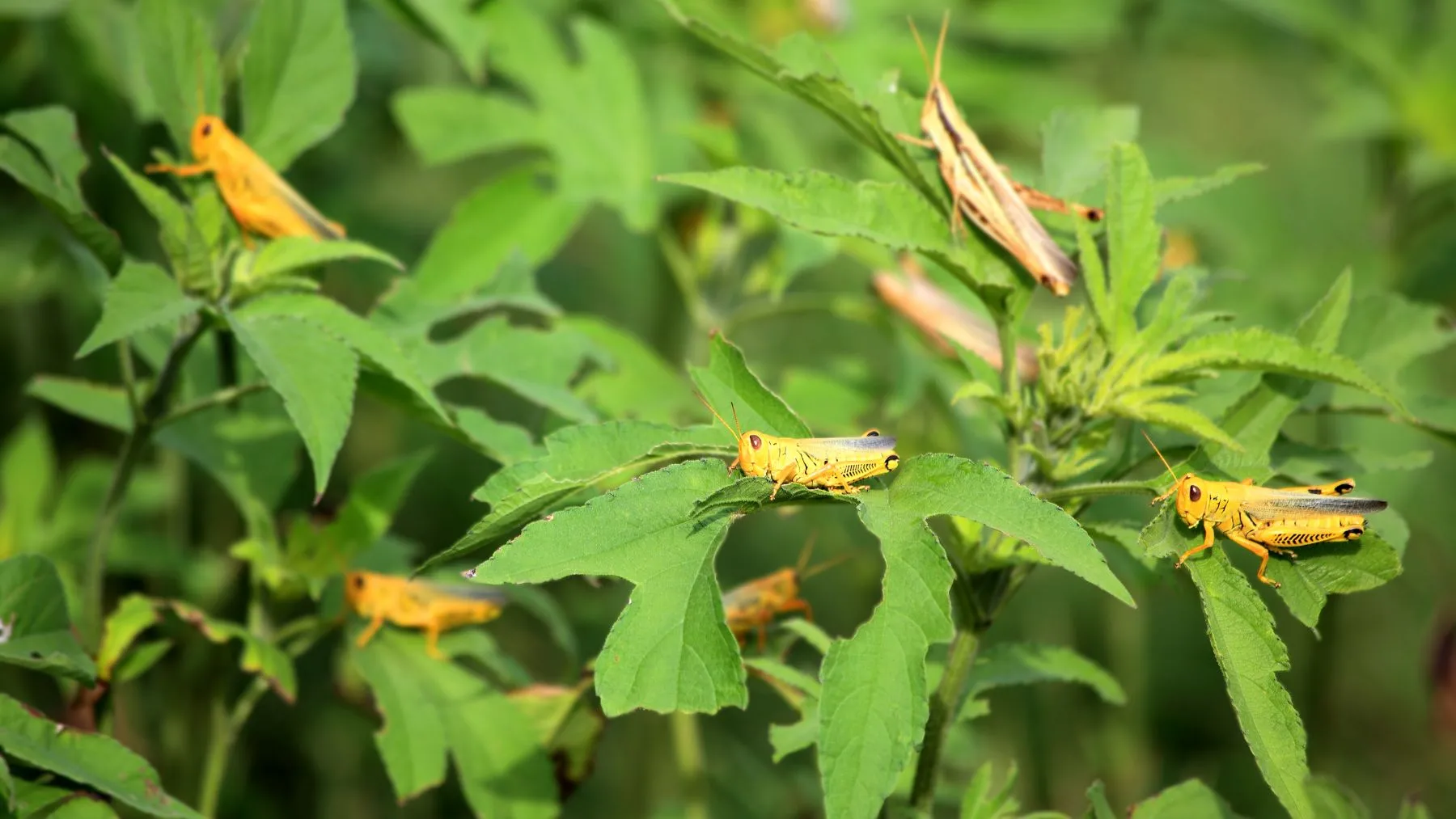
Several factors contribute to this resurgence of locusts, particularly notable weather patterns. Moroccan entomologist Mostafa Benramel highlighted "exceptional rains" that have encouraged vegetation growth, creating an ideal environment for these insects to congregate and reproduce. The desert locust is not only remarkable for its numbers but also for its rapid life cycle; under favorable conditions, it can reproduce explosively from generation to generation, making control efforts increasingly challenging. The FAO characterizes it as the "most destructive migratory pest in the world," capable of housing up to 80 million adults per square kilometer, consuming as much in a single day as 35,000 people would.
Furthermore, when these locusts form mobile groups, they are anything but stationary; they can travel with the wind up to 150 kilometers in a single day, complicating response efforts if detection occurs too late. In its April 3 update, the FAO reported isolated adult locusts in the Canary Islands, an important distinction, as this does not signify an invasion but confirms that some specimens have arrived. For instance, hundreds of locusts were reported in specific areas of Lanzarote during a recent dust episode. The Environmental Manager of the Cabildo, Francisco Fabelo, emphasized the need for immediate vigilance, stating that the next two days will be critical to ascertain whether these are exhausted adults likely to die or if there are signs of reproduction.
The practical implications of this situation are paramount. If the locust presence remains sporadic and does not lead to reproduction, the episode may end with minimal disruption, as observed in previous instances. However, if mating or juvenile locusts are detected, the scenario shifts significantly, as younger individuals typically exhibit the highest levels of voracity, raising concerns about crop damage. The mention of treating tens of thousands of hectares brings the issue of pesticide use into sharp focus. The FAO acknowledges that large quantities of pesticides are necessary to combat locust outbreaks, which can pose risks to human health and the environment. Consequently, the organization has updated its guidelines to enhance safety and environmental precautions.
It is not merely a question of "to spray or not to spray"; the primary goal is to safeguard crops and pasture lands. Ultimately, it revolves around the methods employed and the tools used. The FAO advocates for the use of "proven" biopesticides, such as Metarhizium acridum, which targets locusts and grasshoppers and is recommended for sensitive ecosystems or areas close to water and beekeeping activities. Field decisions can also markedly influence outcomes. The FAO suggests that the optimal time for applying treatments is early in the morning or late in the evening when insects are resting on the ground, thus improving treatment efficacy and reducing the element of chance.
The FAO's immediate forecast is cautious yet clear, warning that groups of adults and small swarms may continue to move northward into Morocco and Algeria, with an increase in breeding likely to generate new bands of nymphs. This reality aligns with the pattern noted by the FAO earlier in January, which indicated a wetter climate conducive to spring breeding in Morocco and Algeria. Should favorable weather continue, the locusts' "biological clock" accelerates dramatically.
For readers in Spain, particularly in the Canary Islands, it is wise to heed local advisories and report any significant locust sightings. The Cabildo in Lanzarote has specifically called for citizen collaboration to facilitate swift responses should the situation evolve. Prompt action can be crucial in managing this potential crisis.
As reported by ecoticias.com.