
Unrelenting Heat Across Morocco and Europe
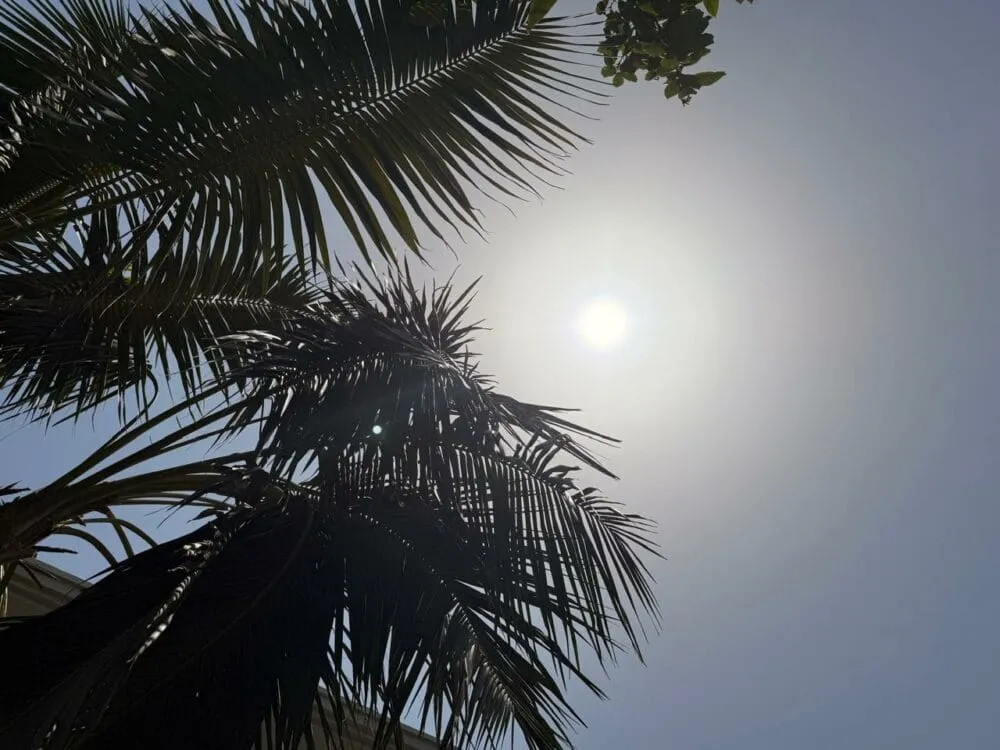
The mercury is soaring as Morocco endures an extraordinary heatwave, with numerous cities recording temperatures above 40 °C, and some areas nearing a staggering 47 °C. The coastal regions, traditionally a refuge from the heat, are also feeling the impact, with nighttime temperatures failing to provide any respite. This alarming weather phenomenon extends beyond Morocco, affecting parts of Europe, showcasing the pressing need for urban adaptation in response to increasingly extreme summers.
Understanding the Meteorological Dynamics
Across Europe, cities from Madrid to Lisbon have reported unprecedented temperatures, with Madrid reaching 39.9 °C and Lisbon hitting 35.9 °C. Unlike previous heatwaves, the current episode appears to be more intense and prolonged, with no immediate end in sight. In Morocco, Smara stands out with a blistering 47 °C, followed closely by Khémisset at 46.8 °C, and other cities like Taroudant (44.9 °C) and Guelmim (44.6 °C) also experiencing extreme heat. This alarming trend places these Moroccan cities among the hottest globally, underscoring the severe impact of climate change on the region.
Even coastal cities, typically moderated by the ocean's influence, are witnessing unprecedented temperatures ranging between 30 °C and 35 °C. On July 7, 2026, the absence of coastal breezes was evident, exacerbating the heat. The Moroccan meteorological service, DGM, anticipates a slight temperature decrease later in the week, but this relief is expected to be fleeting, with the heatwave likely to persist until the end of July.
The current situation is reminiscent of 2023's record heat, as global temperatures continue to rise. On July 7, 2026, the average global temperature reached 16.88 °C, matching the peak of the previous summer and surpassing that of 2024. With oceans also recording unprecedented temperatures, the environmental indicators paint a concerning picture for the climate.
At the heart of this heatwave is the atmospheric phenomenon known as the omega block, wherein a high-pressure dome becomes trapped between areas of low pressure. This stagnation disrupts typical weather patterns, allowing for the continuous flow of hot air from the Sahara toward Europe and Morocco. As we face such climatic extremes, it is crucial to rethink urban planning to better safeguard populations against future heatwaves.
Projections indicate that the frequency of heatwave days could triple or even quadruple by mid-century, depending on global emissions levels. This reality necessitates a reevaluation of urban infrastructure, advocating for less concrete and more greenery to mitigate the urban heat island effect. Enhancing public health through urban design—such as increasing tree cover, water features, and cooler building materials—has become imperative. The current landscape of Moroccan cities, dominated by impervious surfaces, exacerbates the heat, with urban areas often several degrees warmer than their vegetated outskirts. Thus, innovative strategies must be deployed to create accessible cool zones for vulnerable populations, transforming urban spaces into healthier environments.
As reported by medias24.com.