
The Surge of Migrants and the Role of Misinformation
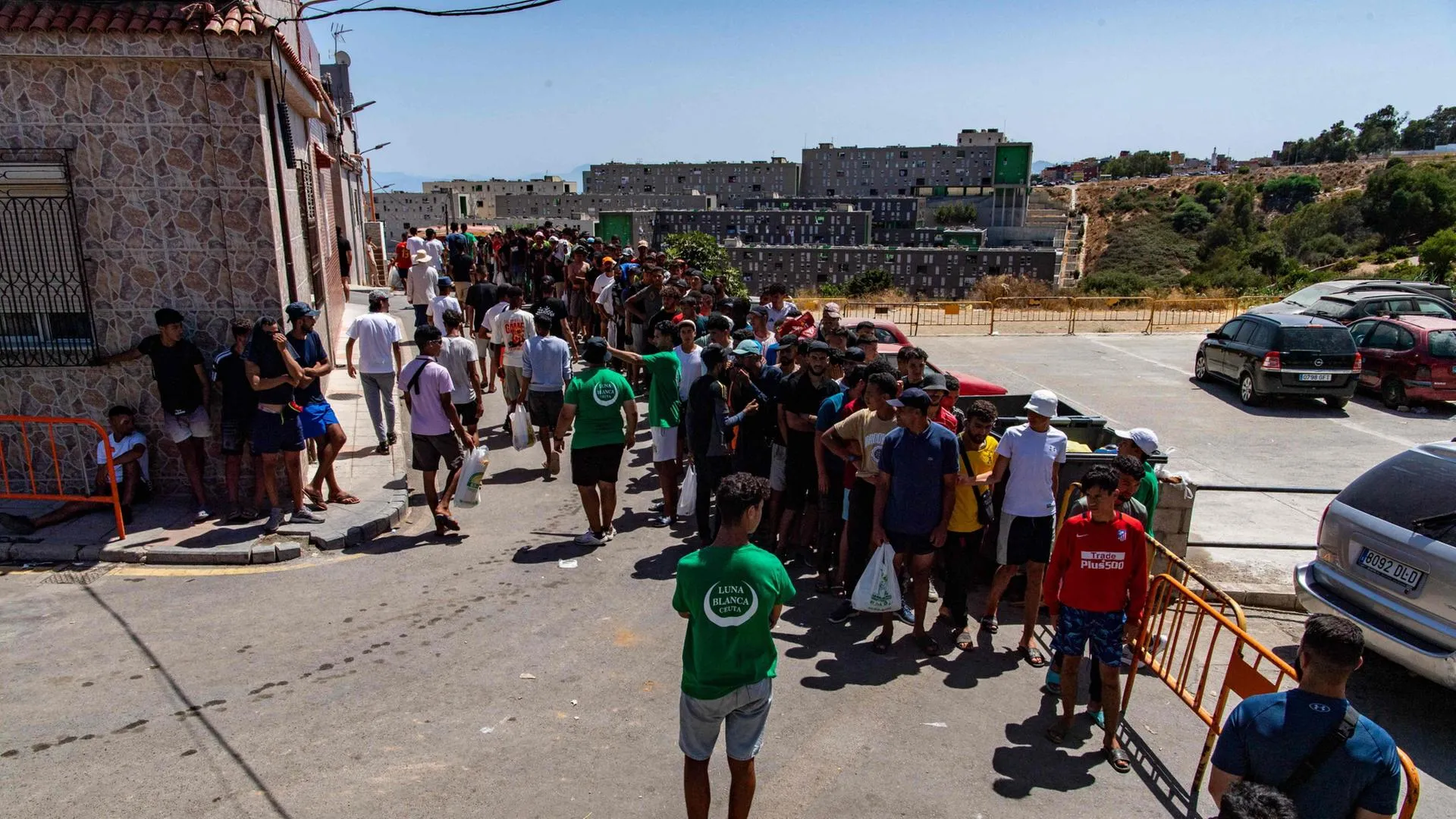
The recent migrant crisis in Ceuta has sparked a flurry of activity on social media, with countless videos and images circulating regarding the situation. At the end of July, more than 70,000 migrants crossed the border from Morocco into this Spanish exclave, which is home to a mere 84,000 residents. Despite the Spanish government's assertion that most migrants returned to Morocco within a week, it is estimated that around 1,000 unaccompanied minors remain in Ceuta. Due to specific protective regulations, these minors cannot be easily repatriated, leading many to live on the streets as available accommodations fall short of demand. Tragically, the Spanish authorities have reported that at least 80 individuals lost their lives while attempting to cross, while human rights organizations estimate the death toll to be over 140. This influx of migrants has been compounded by the spread of misinformation on social networks, which contributed to the perception that the normally secure border had suddenly become open.
Numerous migrants have claimed that videos circulating on platforms like TikTok led them to believe there were available accommodations and pathways to travel to mainland Spain. Additionally, conspiracy theories suggesting that the crisis was orchestrated by the United States or Israel have proliferated, despite a lack of credible evidence supporting such claims. The chaotic scenes surrounding the events in Ceuta were accompanied by a significant amount of misleading content that reinforced various political narratives.
Debunking Misleading Videos and Images
A prevalent narrative suggests that Moroccan authorities actively assisted migrants in reaching Ceuta. A video depicting a Moroccan official opening a border gate to let numerous people through has been shared widely. However, fact-checks reveal that this footage is not recent; the Spanish police union had previously shared it in May 2021, during another surge of crossings. Another frequently shared clip shows individuals jumping from the back of a stationary truck, purportedly at the border. This video, however, was taken approximately 51 kilometers away from Ceuta, further complicating the narrative that the Moroccan state is facilitating migrant crossings.
Moreover, some videos imply that migrants from Ceuta are already traveling through Spain towards Germany, yet fact-checks have confirmed that the footage in question was recorded in Morocco. The misinformation extends to artificially created or altered content as well. For instance, an image claiming to depict a soldier threatening a man climbing a cliff has been identified as AI-generated, raising questions about the authenticity of the narrative surrounding the treatment of returnees from Ceuta.
Additionally, various images and videos have been taken out of context or misattributed to Ceuta. While some footage does show real events occurring in Ceuta, it is often placed within misleading contexts. A notable example includes a video that garnered over four million views, depicting violence and chaos attributed to migration in Ceuta, yet includes segments that were confirmed not to have been taken in the exclave. Spanish authorities have explicitly stated that certain scenes featured in this viral video were actually recorded in Moroccan territory.
As the situation continues to evolve, it is clear that misinformation is playing a significant role in shaping public perception and political discourse surrounding the migrant crisis in Ceuta. Efforts to clarify the truth are ongoing, as the repercussions of these misleading narratives are felt on both local and international levels.
As reported by tagesschau.de.