
Revealing Reports on Temporary Workers in Moroccan Municipalities
Recent reports from the "Internal Affairs" departments across various provinces including Casablanca-Settat, Rabat-Salé-Kénitra, Fes-Meknes, and Beni Mellal-Khenifra have brought to light alarming discrepancies regarding the employment of temporary workers within local municipalities. Sources indicate that these reports have initiated a thorough inspection process, prompting the General Inspectorate of Territorial Administration to update its auditing schedules. This means that inspection committees will be visiting several urban and rural municipalities based on the critical findings highlighted in these reports.
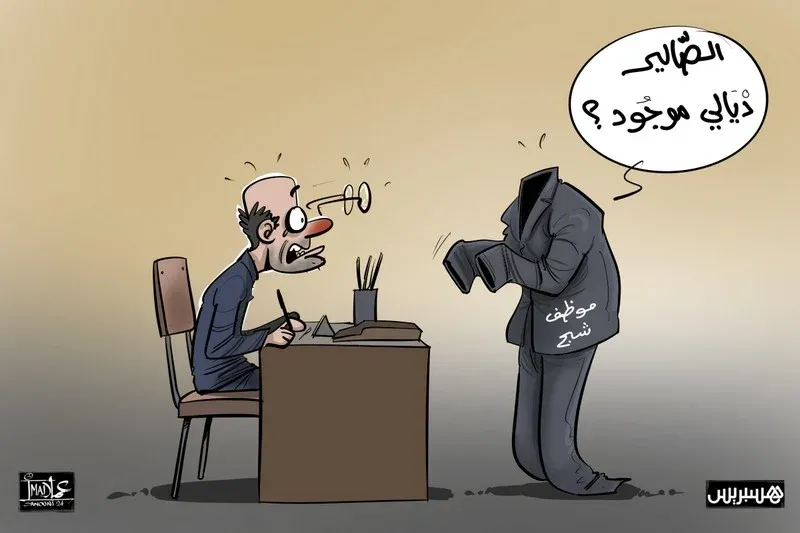
The information presented in these reports reveals shocking practices surrounding the employment of temporary workers who are believed to have established significant commercial ventures, such as clothing stores, car rental agencies, nursing clinics, and beauty salons. Moreover, some of these workers possess considerable real estate and valuable assets, raising concerns over the legitimacy of their employment. It has come to light that many individuals are receiving financial compensations for tasks they have not actually performed. Notably, some of these workers are categorized as "ghost employees" who have been erroneously marked as active in payroll records that are submitted to the treasury.
Financial Mismanagement and Exploitation
These internal reports have also pointed out instances where temporary workers submitted written requests to local administrations to return unjustly received funds after admitting to having received compensations without performing any actual work. This is particularly prevalent in municipalities located in the suburbs of major cities, especially Casablanca. The investigations uncovered a troubling trend where the number of temporary workers has surpassed that of officially employed staff in certain municipal services, leading to suspicions that these temporary positions are being used for political patronage and electoral manipulation. Furthermore, significant legal violations have been noted in the management of their contracts.
According to the reports, the intervention of provincial authorities to control excessive hiring of temporary workers in municipalities has been limited. Many municipalities continue to approve unjustified allocations to fund compensations for temporary workers, which do not reflect the actual demographic needs of these communities. Interior Minister Abdelouafi Laftit has previously urged provincial governors to ensure that heads of municipalities comply with a 2009 circular regarding temporary workers. He has requested updated reports on the status of these workers within the municipalities across the country, as part of a broad evaluation of their impact on municipal budgets and the political exploitation of these positions.
Moreover, some municipalities have started requiring temporary workers to renew their contracts every three months while providing a bank identification number (RIB) to receive their payments. The reports have also highlighted irregularities in managing the contracts of temporary workers, noting that many contracts are not renewed periodically as required, leading to financial implications that are neither accurately calculated nor compliant with legal frameworks governing such employment.
Overall, the findings from these internal reports underscore a critical need for reform in the employment practices of temporary workers within Moroccan municipalities, addressing both the financial and operational deficiencies that have been identified.
As reported by hespress.com.