The Emergence of the Darija Teaching Industry and Its Cultural Significance
The Darija language teaching industry in Morocco has emerged as a transformative force, reshaping the way foreigners engage with Moroccan culture. Traditionally, the image that North Africa conjures in the minds of Western tourists is one dominated by camels, Islamic traditions, and vast deserts. However, Morocco offers much more than this stereotypical portrayal. While it embodies these elements, it also stands out for its stability in a region often marked by conflict. This unique position has contributed to a remarkable surge in the tourism sector, making Morocco the most-visited country in Africa, with an astounding 35% increase in tourism since the pandemic. This growth is particularly significant when compared to other Middle Eastern and North African nations, especially in light of Morocco's relatively modest geographical size.
As tourists flock to Morocco, many arrive with preconceived notions of what they want to see and experience. For those content to remain within the confines of major urban centers, where languages such as English, French, and formal Arabic dominate, the deeper intricacies of Moroccan culture may remain elusive. Venturing beyond the well-trodden paths to rural towns and remote landscapes, however, reveals the necessity of understanding Darija, the language that embodies the essence of Moroccan daily life.
The Evolution of Darija Learning: A Digital Revolution
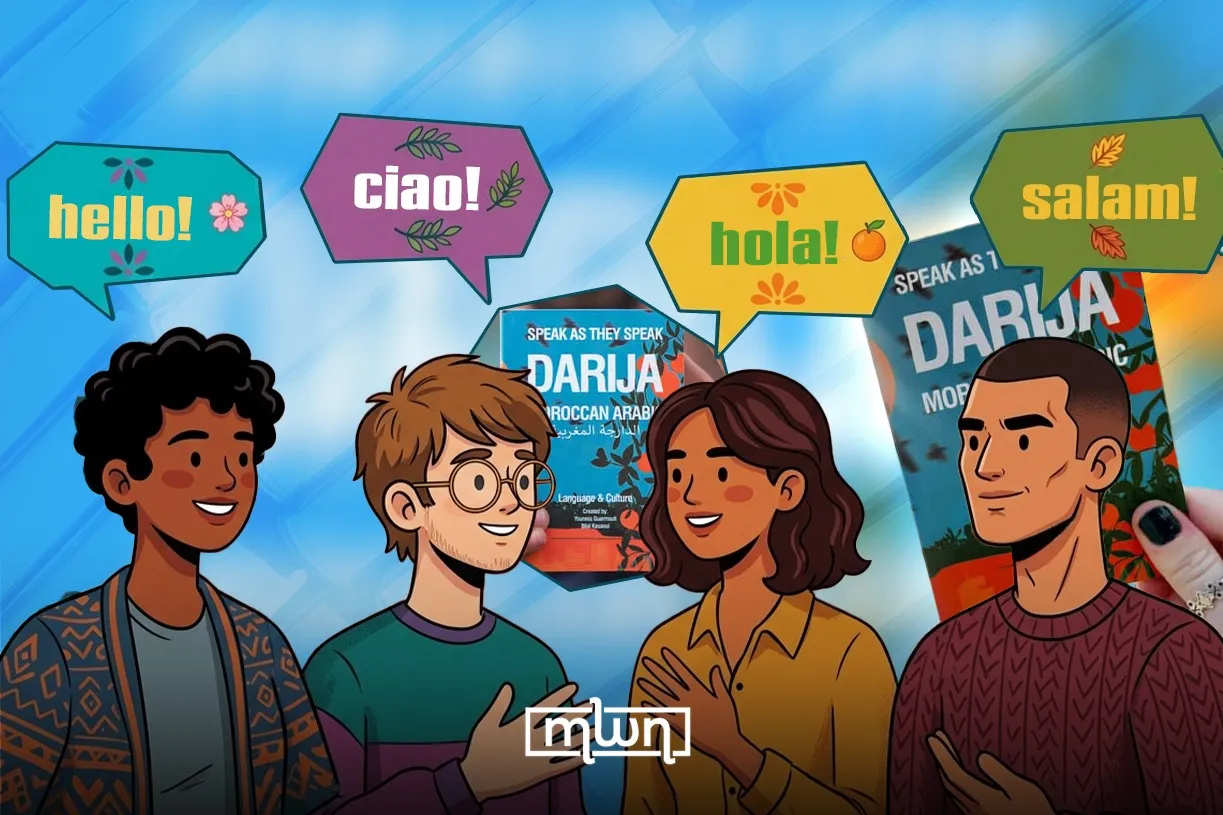
Darija, the vernacular spoken by Moroccans daily, often remains overshadowed by the country's official languages, French and Arabic. While menus and news are predominantly presented in these languages, Darija is the language of taxi drivers, farmers, and everyday conversations. Historically, learning Darija has posed challenges for tourists due to a lack of accessible resources. In the past, language learning was primarily reliant on personal interaction with locals, and despite the proliferation of online translation tools, Darija was notably absent from platforms like Google Translate.
However, the landscape has shifted dramatically over the past decade, particularly catalyzed by the COVID-19 pandemic, which inadvertently opened a gateway for the Darija language to reach a global audience. One pivotal figure in this transformation is Muhammad Moukasse, a former driver who recognized the demand for Darija education among tourists. In response, he launched a YouTube channel during the pandemic, sharing his insights and knowledge of the language. To his astonishment, the channel gained immense popularity, attracting thousands of subscribers eager to learn Darija.
With the rise of Moukasse's channel and others like it, the teaching of Darija has evolved into a vibrant online industry. Platforms such as Tea Time Darija and Daily Darija have gained traction, collectively amassing millions of views. These channels offer a mix of live sessions, bite-sized language lessons, and more comprehensive courses, catering to a diverse audience ranging from curious travelers to individuals with Moroccan heritage. Moukasse has noted that many of his students are motivated not merely by tourism but by personal connections, often seeking to communicate with their Moroccan families.
The cultural impact of learning Darija is profound. Students who invest time in mastering the language often find themselves welcomed into Moroccan families, forging deeper connections and understanding the cultural nuances that transcend mere tourism. This linguistic bridge fosters acceptance and warmth, transforming the experiences of those who engage with Moroccan culture on a more intimate level.
As the Darija teaching industry continues to flourish, it is reshaping perceptions of Morocco and its people, drawing attention to a rich cultural tapestry woven from diverse influences. The evolution of this language, characterized by its eclectic vocabulary and structure, is a testament to Morocco's complex history and vibrant present. As more individuals embark on the journey of learning Darija, they contribute to a broader appreciation of Moroccan culture, transforming the narrative surrounding this North African gem into one that celebrates its authenticity and depth.
As reported by moroccoworldnews.com.