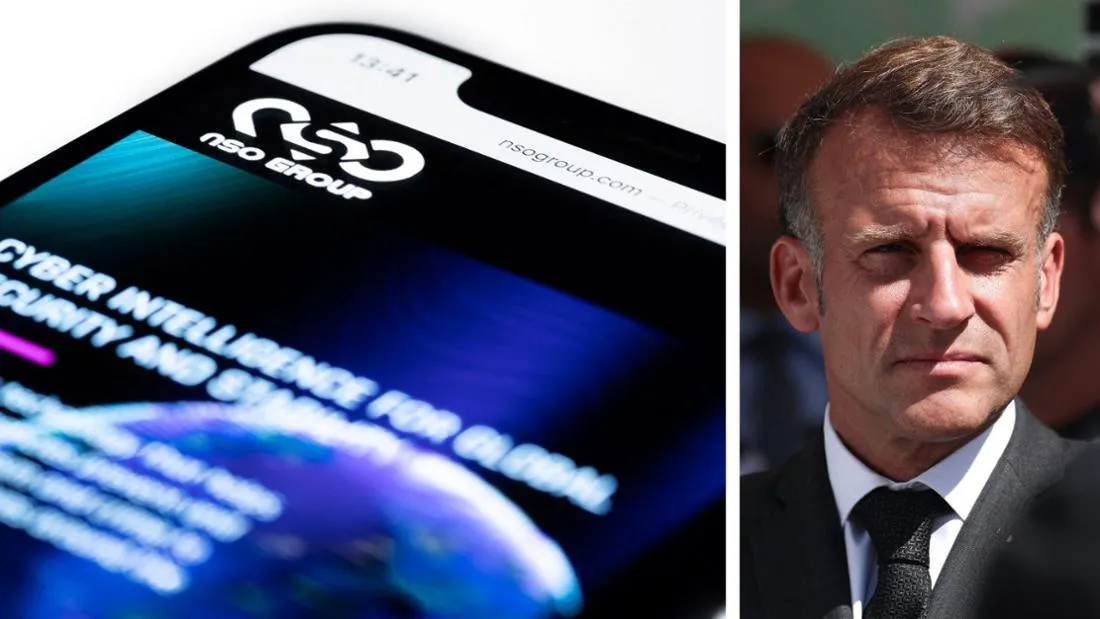
Inside Morocco's Surveillance Mechanism: The Role of Pegasus
In a groundbreaking revelation, a former employee of Morocco's domestic intelligence service has provided an unprecedented insider perspective on the country's extensive surveillance apparatus, particularly highlighting the pivotal role of the notorious spyware, Pegasus. Operating under the pseudonym "Safir," this whistleblower divulged intricate details regarding the manipulation of smartphones and the monitoring of high-profile individuals both domestically and internationally, offering a rare glimpse into the workings of Morocco's security framework.
Despite Morocco's persistent denials regarding its use of Pegasus and its alleged association with the Israeli company NSO Group, investigations conducted by the journalist network Forbidden Stories in collaboration with the Guardian have unearthed compelling evidence. This extensive research draws upon testimonies from multiple former intelligence officials, internal documents, leaked datasets, and technical analyses that together paint a troubling picture of state-sponsored surveillance.
According to reports, Safir dedicated nearly a decade of service to the Direction Générale de la Surveillance du Territoire (DGST), Morocco's intelligence agency. His insights were meticulously gathered over several years by Moroccan journalist Hicham Mansouri, with the technical expertise of Amnesty International's Security Lab aiding in the investigation. This international team of reporters rigorously evaluated Safir's accounts, comparing them with leaked emails, training materials, and Pegasus data. Remarkably, two additional former DGST officials corroborated portions of his claims.
The Dangers of Pegasus and Its Implementation in Morocco
Pegasus, developed by the NSO Group, is marketed exclusively to government entities with the purported aim of combating serious crime and terrorism. The software, once installed, grants access to victims' messages, photos, location data, and allows for the discreet activation of their camera and microphone. Notably, the infamous "zero-click" attacks employed by Pegasus eliminate the need for targets to engage with the software, making it particularly insidious. In 2021, Amnesty International documented successful attacks on even the most current iPhone models.
The 2021 Pegasus Project unveiled a dataset containing over 50,000 phone numbers from more than 50 countries, which were flagged by NSO Group clients as potential targets. Among these numbers were journalists, human rights activists, lawyers, diplomats, politicians, and heads of state. Notably, at least 180 journalists were identified as targets. Amnesty confirmed infections or attempted breaches in some of the examined devices, underscoring the threat posed by this spyware.
Safir's accounts indicate that the Moroccan intelligence service began utilizing Pegasus as early as 2017. Reports from the Guardian and Forbidden Stories suggest that NSO Group representatives demonstrated the software to high-ranking intelligence officials in a villa in Rabat, where test devices were remotely infected and monitored. The intelligence agents quickly grasped the software's potential, which facilitated surveillance of individuals abroad without direct access to their devices.
Safir provided journalists with the phone number of Abdeljelal Taki, a DGST employee alleged to have been present during the software demonstration and involved in its subsequent deployment. This number was registered in the leaked dataset on September 10, 2017, raising suspicions of preliminary testing before broader targeting of journalists and activists.
Interestingly, Safir indicated that Pegasus was not the initial surveillance tool employed by the Moroccan intelligence service. Instead, the agency reportedly relied on tactics such as physical surveillance, compromised computers, and hidden microphones. Business owners allegedly assisted by seating patrons at specially prepared tables for surveillance, and mobile phone retailers purportedly sold seemingly authentic devices preloaded with spyware. According to Safir, Pegasus became a last resort when simpler methods failed.
In conclusion, while Safir's revelations do not provide a complete picture of Morocco's intelligence operations, when combined with leaked documents, technical evidence, and additional testimonies, they offer a strikingly detailed account of how Pegasus has been integrated into a state surveillance strategy. As the NSO Group maintains that its software is only sold to government clients for legitimate purposes, the ongoing denials from Morocco regarding surveillance practices raise significant concerns about privacy and human rights in the region. As reported by fr.de.