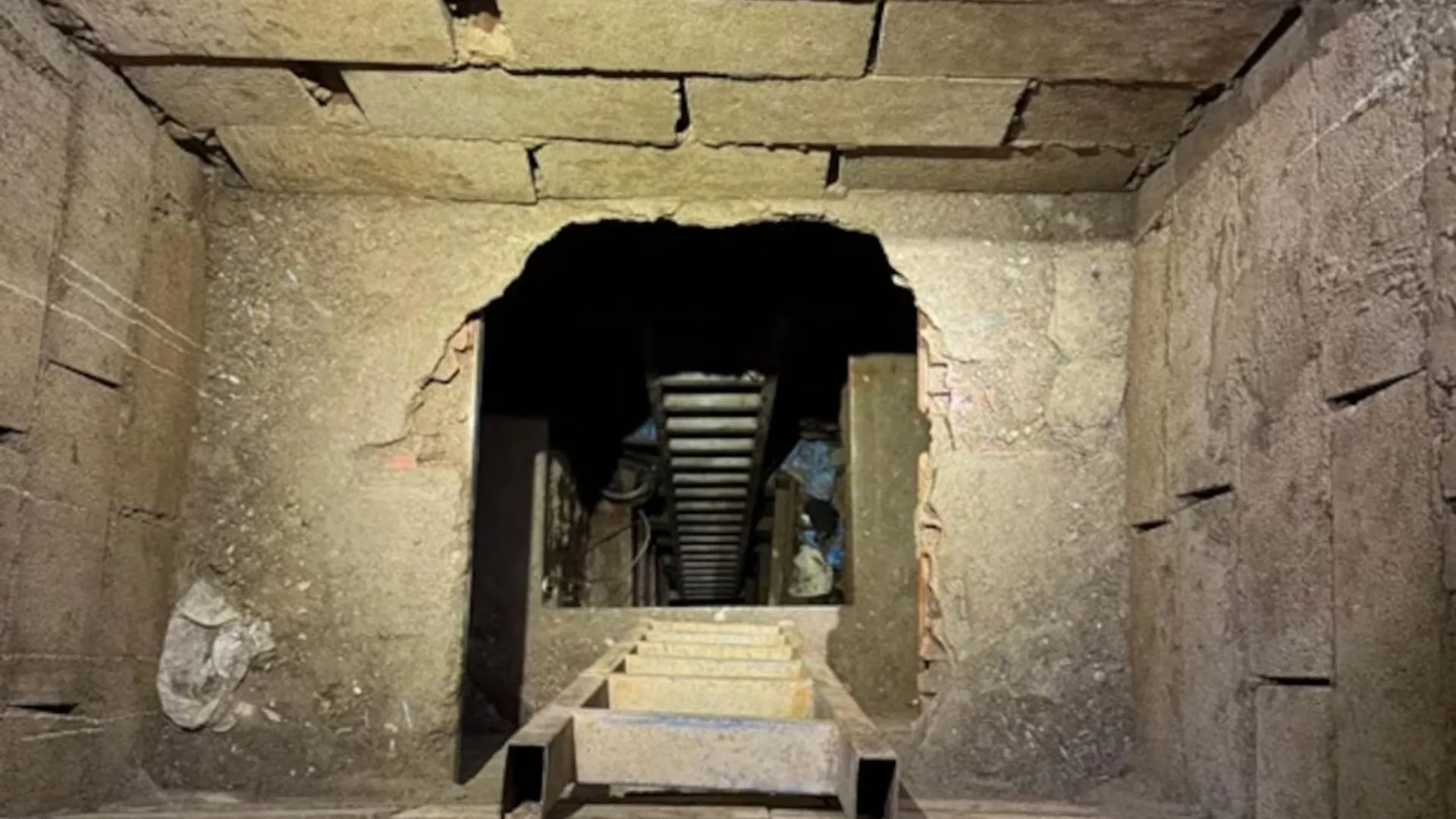
Unraveling the Criminal Underbelly of Ceuta's Drug Tunnels
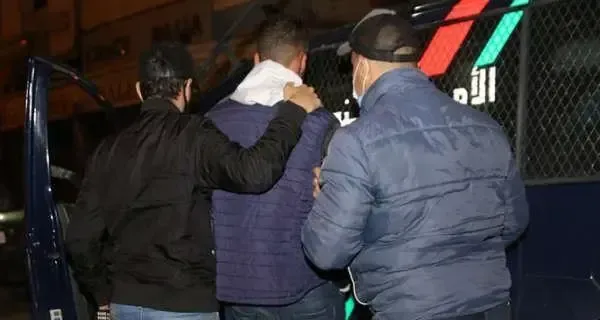
A recent operation executed by the Drug and Organized Crime Unit has revealed a sophisticated criminal enterprise linked to the drug tunnels uncovered in Ceuta. This extensive investigation has laid bare a troubling network of police corruption straddling both sides of the border, with connections reaching all the way to the port of Almería. The two main figures arrested in this operation are Mustafa Chairi Brousy, identified as the kingpin of the operation, and Ángel Albarracín, a former civil guard. Notably, the network has ties to one of the most significant drug traffickers in the Strait of Gibraltar, Abdellah El Haj Sadek el Menbri, infamously dubbed the "Messi of hashish," who fled Spain in 2019.
Concerns regarding the scope of this criminal network have intensified with revelations that its influence extends beyond local officials at the Ceuta border, reaching as far as Almería and even Madrid. According to police wiretaps, a group of civil guards at the Almería port allegedly facilitated the passage of drugs in exchange for financial compensation. The operation's magnitude is underscored by the seizure of a truck in Almería that was transporting 15 tons of hashish, a cargo valued at over 20 million euros, given that the price per kilogram is estimated at 1,800 euros at the source.
The Role of a Corrupt Civil Guard
Ángel Albarracín, the detained former civil guard, plays a pivotal role in this investigation. His involvement surpasses that of a mere facilitator, as he faces serious charges including membership in a criminal organization, money laundering, and drug trafficking. During the investigation, Albarracín attempted to evade imprisonment by claiming he was an informant for the Guardia Civil's Central Operational Unit while simultaneously engaging in the criminal activities of the network. Recordings reveal his duplicity as he informed the gang of potential investigations while retaining part of the drug shipments for personal sale.
The intercepted communications are stark, with Albarracín proclaiming, "I am not corrupt; I am a trafficker." This duality has highlighted a significant dysfunction among law enforcement agencies, as the National Police were unaware of his status as an informant for the Guardia Civil. A judge has ultimately ordered Albarracín to remain in custody without bail.
The Guardia Civil has located a tunnel connecting Ceuta with Morocco during an inspection of various warehouses in the Industrial Polygon of Tarajal, situated near the Moroccan border. The investigation not only focuses on corruption but also on the drug tunnels themselves. The kingpin, Mustafa Chairi Brousy, boasts in the recordings of being "the true owner of the tunnel," suggesting the existence of a third tunnel that has yet to be discovered. Such infrastructures pose a severe risk to national security, as they could potentially be used for smuggling weapons, explosives, or facilitating the escape of terrorists.
Perhaps most alarming is that the two identified tunnels originate from industrial warehouses near the Tarajal border in Ceuta and lead to an open area classified as military territory in Morocco, indicating possible collusion on the other side of the border. Given the complexity and wide-reaching connections of this case, a judge from Ceuta has referred it to the National Court, and the Internal Affairs Service of the Guardia Civil has joined the investigation to delineate the extent of the corruption within the agency.
As reported by cope.es.