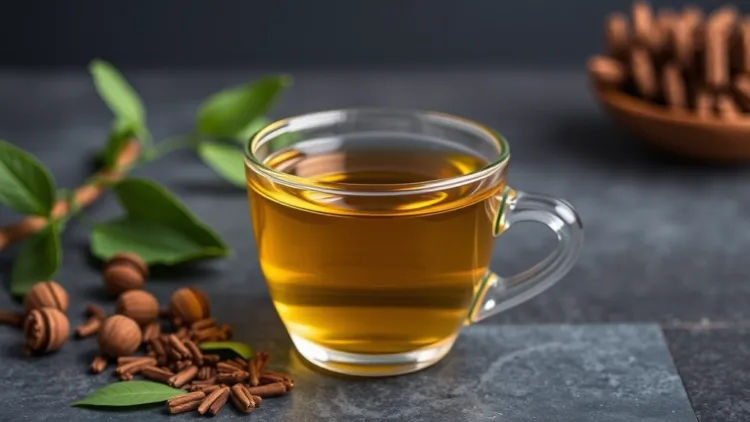

Exploring the Rich Tradition of Moroccan Herbal Teas
In the bustling souks and kitchens of Morocco, the act of serving a hot glass of herbal tea transcends mere hospitality; it embodies a rich cultural tradition steeped in healing practices. For centuries, a variety of aromatic herbs including mint, thyme, sage, and geranium have been brewed and enjoyed not just for their delightful flavors but also for their health benefits. These herbal concoctions have long been used as home remedies to alleviate various ailments, notably the symptoms associated with what traditional medicine recognized as a debilitating sugar sickness, now classified as type 2 diabetes mellitus by modern science. A recent laboratory study has rigorously tested this folkloric wisdom, revealing that some of these traditional infusions possess remarkable biochemical properties that may aid in managing blood sugar levels.
Scientific Validation of Traditional Remedies
The groundbreaking research published in BMC Complementary Medicine and Therapies was conducted by an international team of pharmacognosists and analytical chemists from institutions in Egypt, Morocco, Finland, and beyond. Under the leadership of Ahmed Zayed from Tanta University and Meryem El Jemli from Mohammed VI University of Sciences and Health in Casablanca, the researchers analyzed 21 distinct herbal teas commonly consumed by Moroccans to regulate blood sugar. Rather than merely confirming their popularity, the study aimed to dissect these teas at a molecular level, posing an essential question: What are the specific compounds present, and can any of them effectively inhibit the biochemical processes that lead to elevated blood glucose levels post-meal?
To uncover the answers, the team employed high-performance liquid chromatography coupled with mass spectrometry (HPLC-MS), a sophisticated analytical technique that meticulously sorts small molecules. By pushing the tea extracts through a column that separates individual compounds based on their chemical properties, researchers were able to identify and quantify various phenolic compounds known for their antioxidant properties and potential to modulate human enzymes. The findings showcased significant variation in the phenolic content across different plants, with peppermint (Mentha × piperita) leading the pack at 883.2 milligrams of gallic acid equivalents per gram of dry weight, and the native Moroccan thyme species (Thymus broussonetii) closely following.
These results not only demonstrate the rich reservoir of bioactive compounds in these herbs but also suggest their potential health benefits, particularly concerning their antioxidant capacity. The study utilized three distinct assays to measure antioxidant activity, unveiling substantial differences among the teas. Notably, Thymus broussonetii exhibited a remarkable reducing power, indicating its strong antioxidant potential. Importantly, the research found a robust correlation between total phenolic content and antioxidant activity, suggesting that the phenolic compounds are likely responsible for the observed benefits.
However, the study's most intriguing revelations pertain to the impact of these herbal teas on carbohydrate-digesting enzymes, specifically alpha-amylase and alpha-glucosidase, which play crucial roles in glucose absorption following meals. By inhibiting these enzymes, herbal components can potentially reduce dangerous post-meal glucose spikes, a critical concern for those with type 2 diabetes. The study highlighted that Pelargonium graveolens (rose-scented geranium) and Mentha viridis (spearmint) demonstrated remarkably low IC50 values, indicating potent enzyme inhibition. Such findings underscore the significant pharmacological potential of these traditional herbal teas, warranting further exploration and validation through clinical studies to determine their efficacy and safety in real-world applications.
The researchers, while enthusiastic about their findings, caution that all experiments were conducted in vitro, and the behavior of these compounds in the human body may differ significantly due to various metabolic processes. Thus, further in vivo studies are necessary to establish the therapeutic relevance and clinical applicability of these herbal teas in managing blood sugar levels. The variability in chemical composition among different herbal samples also highlights the importance of recognizing the influence of environmental and agricultural factors on their efficacy.
This study serves as a pivotal step toward integrating traditional knowledge with modern scientific inquiry, emphasizing the value of Morocco's rich herbal tea culture as a valuable resource for uncovering new therapeutic agents. The remarkable diversity in phenolic composition and biological activity among the 21 teas analyzed points to a wealth of opportunities for future research aimed at isolating specific compounds and understanding their mechanisms of action. As we delve deeper into the chemistry of these beloved herbal infusions, we move closer to bridging the gap between traditional practices and contemporary pharmacology, ultimately enhancing our understanding of natural approaches to managing diabetes.
As reported by bioengineer.org.