
Exploring the Dark Geopolitical Machinery Amidst Migration Crises
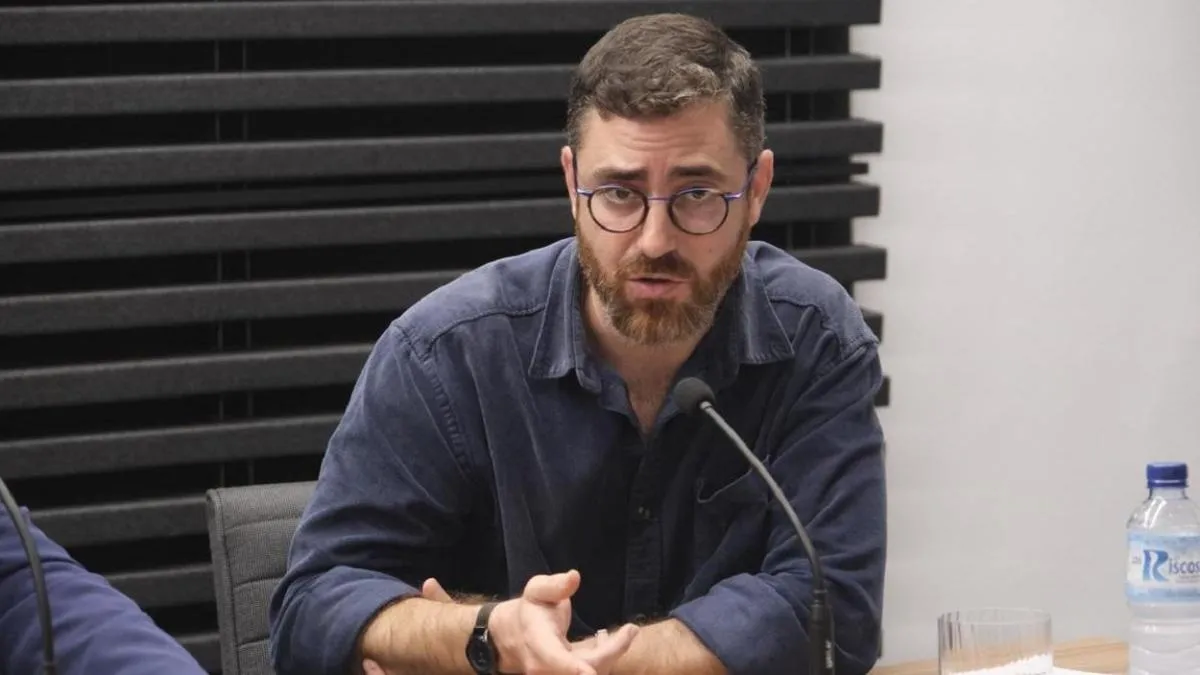
In a recent interview, I delve into a stark reality that often surpasses fiction, shedding light on the troubling images we receive from Ceuta and Melilla. Beneath what appear to be isolated migration crises and espionage scandals lies an unyielding geopolitical machinery. This week, I am joined by Jose Bautista, one of the most respected investigative journalists in our country. His courageous work on Moroccan intelligence services has been featured in prestigious outlets such as The New York Times, The Guardian, and the Lighthouse Reports consortium.
Over the years, Bautista has revealed how the Alawite regime utilizes cyber technology, migratory flows, and the manipulation of media narratives to exert pressure on European democracies. In this exclusive feature for El Plural, we analyze the critical components of Rabat's ongoing blackmail, the sinister role of the United Arab Emirates in financing mass surveillance through Pegasus software, and the immense human cost associated with these ruthless border operations.
Understanding the Mechanics of Moroccan Intelligence and Its Broader Strategy
When asked about the inception of his suspicions regarding a broader strategy behind migration and espionage, Bautista reflects, "I began to see the clear picture almost fifteen years ago. The manipulation of migration is a tactic employed by various dictatorships, but Morocco's case has been brazenly evident since 2016. We saw it documented in CNI reports during the Ceuta crisis in May 2021. The Moroccan regime knows the Achilles' heels of our democratic system perfectly and exploits them. Migratory blackmail is undeniably their primary political pressure valve."
On the question of who exactly controls the Moroccan intelligence services, Bautista explains that Morocco is fundamentally a police state that oversees everything from social media to remote village streets. He cites three key figures: King Mohamed VI, his most powerful advisor Fouad Ali El Himma, and the head of internal intelligence, Abdellatif Hammouchi—these three orchestrate the mass movements towards Ceuta and Melilla while conducting espionage against politicians, thereby sustaining an authoritarian regime at the expense of their own populace's immense suffering.
Furthermore, Bautista has brought to light the global ramifications of their investigations into Pegasus, the infamous surveillance tool. He notes, "The UAE is another authoritarian monarchy that maintains a deeply fraternal relationship with the Moroccan crown. Pegasus, a very expensive military-grade surveillance weapon supplied by Israel, is financially backed by the UAE, which acts as a façade, allowing Rabat access to this powerful technology through defense sector-related companies. Thus, Morocco does not appear directly as a client." This sophisticated web has led to over 300 known infected numbers in Spain, including politicians, diplomats, journalists, and activists.
When discussing the implications of accessing sensitive information from political leaders or journalists, Bautista asserts, "It grants them an extraordinary competitive advantage. All that sensitive information enables them to make diplomatic decisions with a marked advantage or to execute severe blackmail. When they want to silence a critical journalist, they exploit that data to fabricate false evidence and achieve imprisonment."
Additionally, Bautista highlights how Moroccan intelligence seeks to influence Spanish media, stating that Morocco invests substantial resources in propaganda to enhance its image. He mentions individuals like Ahmed Charai, a Moroccan intelligence agent recognized in judicial rulings in Spain, who is tasked with buying media loyalties through direct cash payments, luxurious items, or exclusive hotel trips. There exists a constellation of supposed analysts who are paid by Rabat to publish articles dictated by intelligence services, thereby manipulating public opinion.
Reflecting on the tragic mass crossing in Ceuta, Bautista firmly believes, "It was entirely controlled by Rabat. The Moroccan intelligence service meticulously monitors what happens within its territory. They possess advanced technology to track any social media account. It is utterly impossible to think that tens of thousands of people could mobilize towards a hyper-vigilant border without the authorities’ consent. They sadistically play with the lives of desperate individuals, creating the problem, suddenly opening the border, and then presenting themselves to Europe as the sole solution."
Bautista concludes with a grim assessment of the long-term objectives of the Moroccan elite, stating, "The Moroccan elite has a very clear long-term expansionist plan. King Hassan II had the profound aspiration to take control of Western Sahara, which he ultimately achieved. Now, his son Mohamed VI inherits the unwavering ambition to gain total control of Ceuta and Melilla. The concept of Greater Morocco remains a firm project that they continue to pursue, intensifying their intelligence machinery and political pressure to realize it. After Ceuta and Melilla, the Canary Islands are next on their agenda."
Lastly, when asked about practical advice for travelers to Morocco, Bautista strongly advises against taking personal mobile devices, recommending instead to purchase a cheap phone for the trip. He warns, "The moment you land and connect to their national operator's network, you open the door wide to all their intelligence services. If you handle sensitive information or wish to protect your contacts, you should use a device that you can discard upon returning home."
As reported by elplural.com.