
Morocco's Illusion of Success
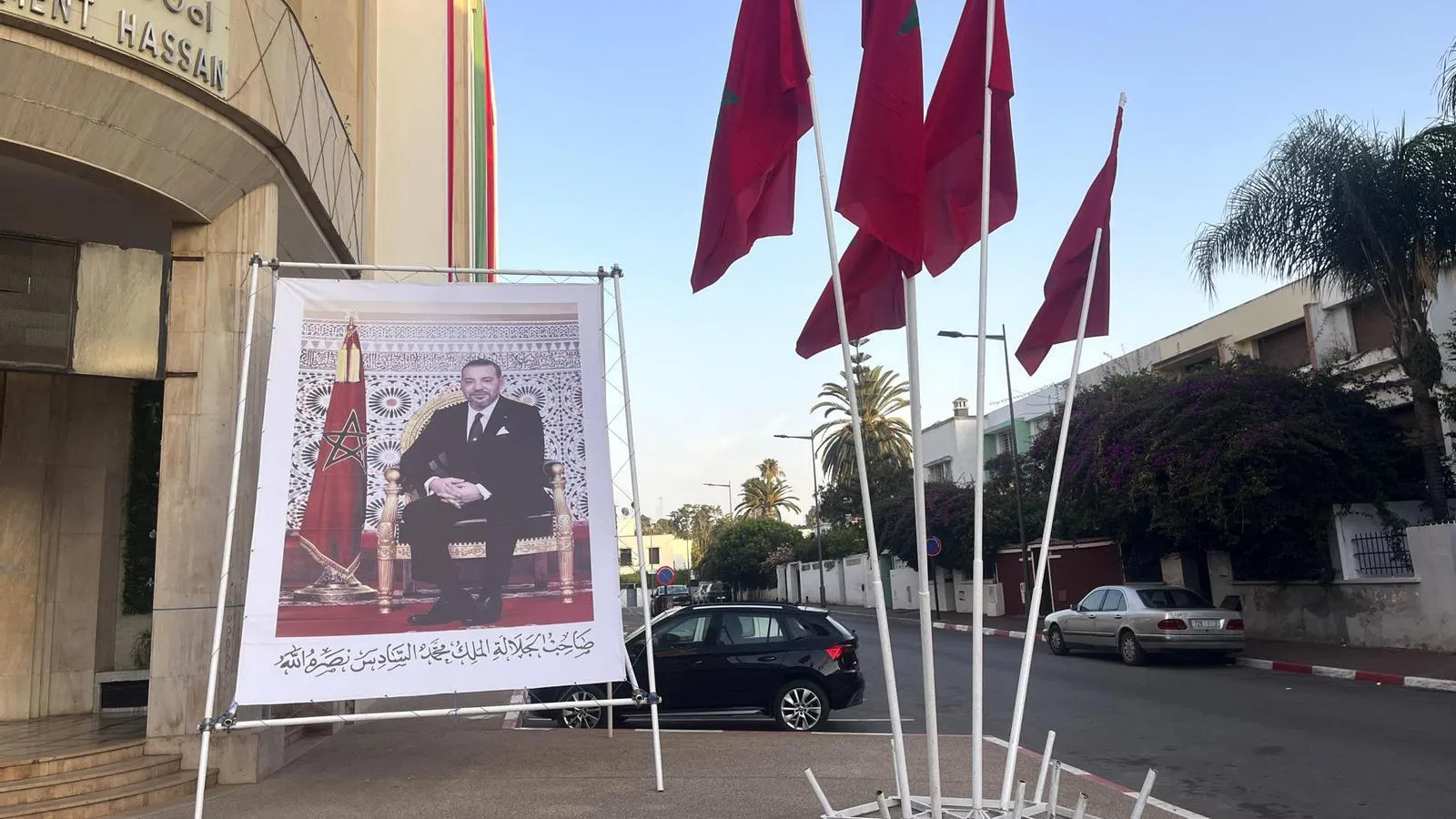
The Moroccan government portrays a narrative of success, claiming to have transformed the nation into a regional powerhouse with significant diplomatic relationships with the EU, the United States, and Israel. This portrayal is further supported by the country's ambition to host major events like the 2030 World Cup, for which the construction of the world's largest stadium, boasting a capacity of 115,000 seats, is currently underway. In recent years, Morocco has indeed made notable advancements in infrastructure, exemplified by the high-speed train connecting Tangier and Casablanca, along with substantial economic growth fueled by foreign investments in strategic sectors such as green hydrogen and fertilizers, particularly leveraging the phosphates from Western Sahara. However, despite these surface-level achievements, the reality for the average Moroccan citizen tells a different story.
Economic prosperity has not translated into tangible benefits for the populace, as evidenced by persistently low wages and precarious employment conditions. The country struggles to provide adequate job opportunities for its youthful workforce, a fact corroborated by reports from the World Bank. This economic disillusionment has led to a significant decline in the fertility rate, which has plummeted from 7.2 children per woman in the 1960s to 1.97 today, a stark contrast to Spain's rate of 1.1. The implications of these statistics indicate a growing concern about the country's socio-economic stability and the alarming trend of youth migration.
Political Repression and Its Consequences
Complementing the economic challenges is the pervasive political repression that stifles dissent and drives many young Moroccans to seek opportunities abroad. Renowned journalist Ali Lmrabet highlights the Alawite regime's oppressive mechanisms, including the influential _makhzen_, a deep state entity closely tied to the monarchy of Mohammed VI. Over the years, this regime has honed its control over the populace through advanced intelligence operations and the extensive use of technology, often sourced from Israel. The infamous Pegasus spyware, for instance, has been implicated in targeting the mobile devices of high-profile officials, including Spain's Prime Minister. The government has systematically dismantled social protests, either through co-opting their leaders or by imprisoning dissenters. Following the emergence of the GenZ 212 movement last year, over 6,000 arrests were made, with around 2,000 individuals remaining incarcerated.
This environment fosters a sense of hopelessness among the Moroccan youth, who perceive no viable alternatives to the existing regime, and view the electoral process as ineffective in instigating real change. This situation necessitates a dual reflection: first, to comprehend the factors that compel many Moroccans to leave their homeland in search of better prospects; and second, to reevaluate the nature of the relationship that the EU maintains with Morocco, a country that has been entrusted with managing Europe's southern border. It is essential to acknowledge that the measures implemented thus far have largely fortified the regime while enriching a select few at the expense of the broader population. Contrary to popular belief, as noted by expert Hein de Haas, mere economic improvement does not deter migration; individuals, particularly those with limited educational backgrounds, will continue their quest for a better life.
As reported by en.ara.cat.