

Brazil's Presidential Run-Off: A Clash of Ideologies
As the political landscape in Brazil heats up, the nation is gearing up for a crucial presidential run-off election set to take place on October 25. In a recent round of voting, neither of the top candidates secured a majority, leading to this decisive showdown. The current president, Luiz Inácio da Silva, commonly known as Lula, will face off against Flávio Bolsonaro, the son of former president Jair Bolsonaro. This election has become a focal point of contention, showcasing the stark ideological divide within Brazilian politics.
Flávio Bolsonaro, a 45-year-old far-right politician, emerged from the initial voting round with 47% of the ballots, positioning himself as a significant contender. His father, Jair Bolsonaro, is currently incarcerated after attempting to overturn the results of the previous election held in 2022. Flávio's campaign is marked by a promise to advocate for his father's release from prison and to initiate sweeping reforms within Brazil's judicial system. Additionally, he is under investigation for alleged corruption, adding a layer of complexity to his candidacy.
On the other side of the spectrum, 80-year-old Luiz Inácio da Silva, who is completing his third term as president, garnered 45% of the votes. Da Silva has been an advocate for environmental protection, particularly regarding Brazil's rainforests, as well as a champion of workers' rights and social equity. Despite facing legal challenges in the past, including a corruption conviction that was later annulled, he remains a formidable figure in Brazilian politics. The forthcoming run-off will not only determine the nation's leadership but also reflect the evolving political sentiments among voters, especially considering that approximately 20% abstained from voting in the initial round.
Spain's Snap Elections: A Response to Public Dissent
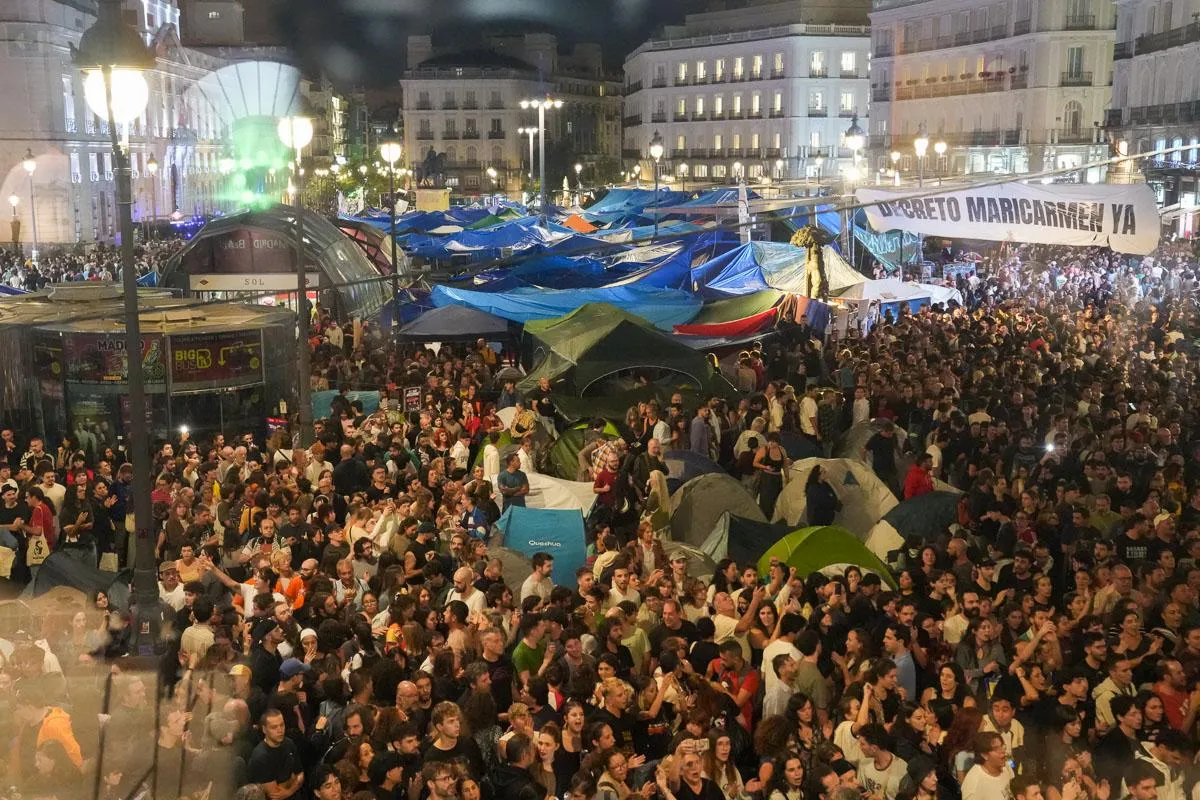
In Spain, the political climate is equally charged as Prime Minister Pedro Sánchez has announced early elections on November 29, a decision influenced by escalating public discontent surrounding the soaring costs of housing and rent. This proactive measure comes in light of rising protests that have swept across the nation, highlighting the urgent need for governmental action to address housing affordability.
Sánchez, who has helmed the Spanish socialist party since 2018, has faced significant challenges during his tenure. Known for his progressive stance on immigrant rights and his confrontations with international figures like Donald Trump, Sánchez's leadership has not been without scrutiny. Allegations of corruption involving individuals close to him have further complicated his administration's standing. The recent influx of immigrants into Ceuta, a Spanish territory in North Africa, has added pressure on his government, prompting calls from opposition parties for immediate elections amid fears of losing their political grip.
The backdrop of intense protests over housing costs has galvanized public sentiment against Sánchez's administration, particularly after his government attempted to pass two laws aimed at alleviating the situation, both of which were thwarted by opposition parties. By calling for early elections, Sánchez appears to be banking on the hope that voter frustration regarding housing will translate into electoral support for his party, as he seeks to navigate the turbulent waters of Spanish politics.
As reported by newsforkids.net.
