
Challenges Facing Morocco's New Government
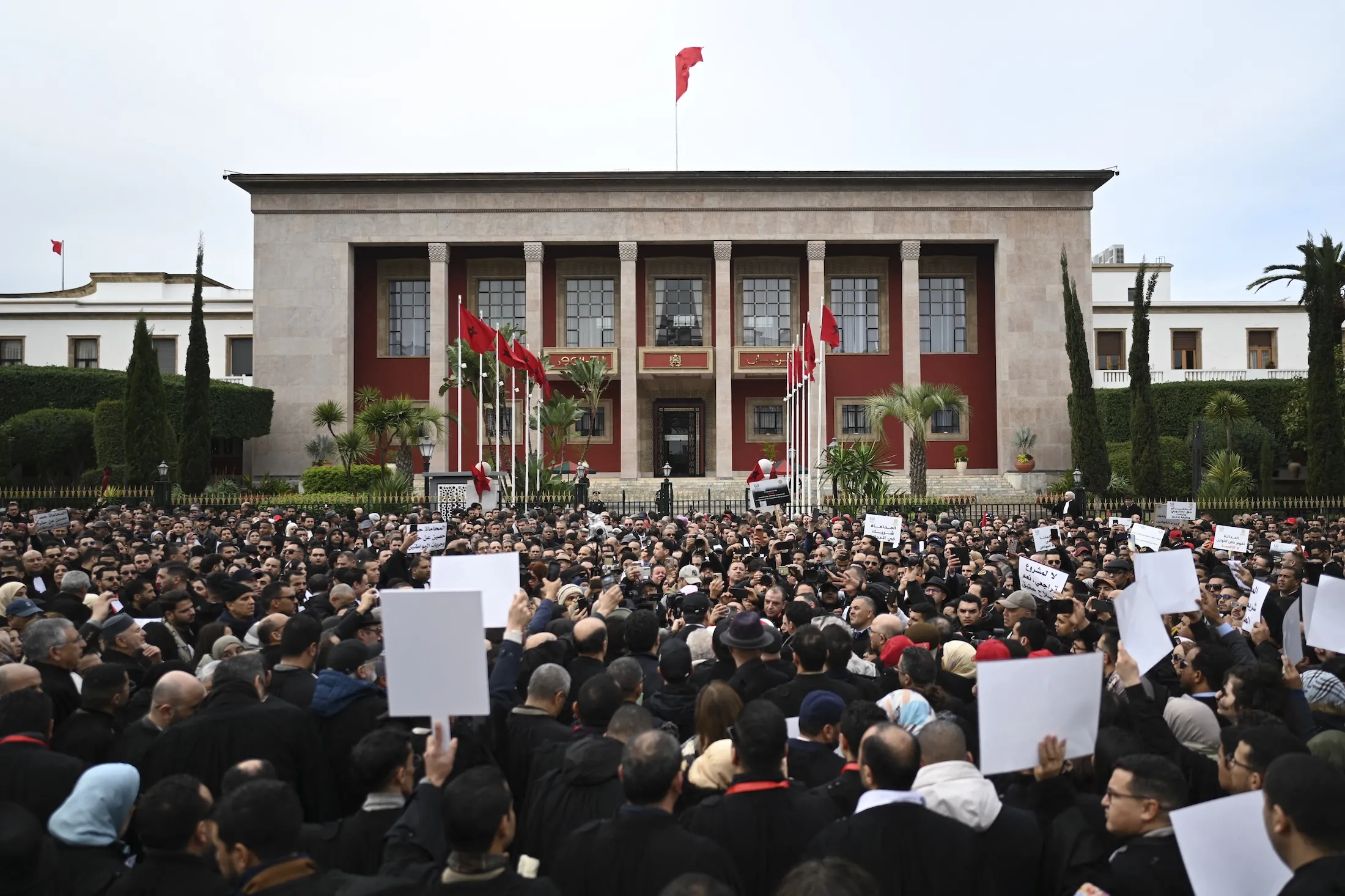
The forthcoming elections in Morocco, set for September 23, 2026, signal a pivotal moment for the North African nation as it prepares to elect 395 representatives to the House of Representatives, the more influential chamber of its bicameral parliament. As the country gears up for this electoral process, it is clear that regardless of the election's outcome, the incoming government will face significant hurdles in addressing the myriad of popular grievances that have arisen in recent years. These challenges are compounded by rising fiscal pressures and competing priorities for government spending, which may lead to increased public dissatisfaction and potential protests. Furthermore, the economic climate is pressuring citizens, prompting some to consider emigration as a viable option for a better life elsewhere.
Foreign Policy and Defense Spending Continuity
In addition to internal challenges, Morocco's foreign policy is expected to remain consistent post-elections, with a notable increase in defense spending and efforts to enhance its regional influence. This continuity may, however, lead to heightened tensions with certain European nations, complicating Morocco's international relations as it navigates these complex geopolitical waters. The political landscape in Morocco is characterized by a multi-party system that inherently complicates the possibility of any single party achieving an outright majority. Instead, it is anticipated that the king will appoint the leader of the party that secures the most seats as the new prime minister, a move that underscores the monarchy's continuing influence over the political process.
As reported by worldview.ranenetwork.com.