
Power Outages in Marrakech Spark Urgent Response from Local Council
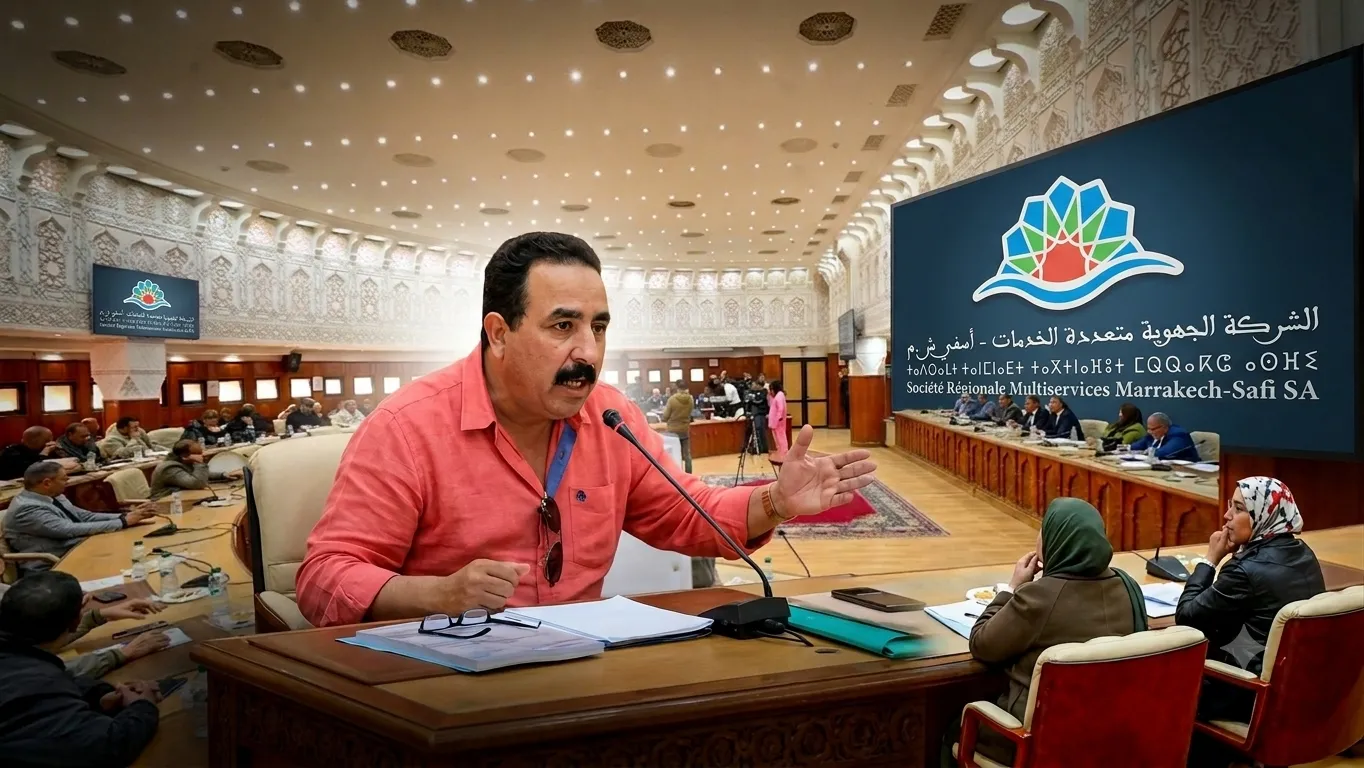
The persistent issue of frequent power outages in various neighborhoods of the Menara district in Marrakech has resurfaced, becoming a focal point of discussion within the local council. This critical matter was brought to light by Abdel Wahid Al-Shafqi, a council member and head of the Menara district, during an extraordinary session held last Monday. Al-Shafqi urged the city’s mayor to take immediate action and convene a meeting with officials from the regional multi-service company. His request comes in response to a surge in citizen complaints and ongoing outages without sufficient communication or clarification from the service provider.
During the session, chaired by the deputy mayor, Mohamed Idrissi, Al-Shafqi emphasized that numerous neighborhoods within the Menara district have been grappling with unexpected and recurrent power cuts for several weeks. In some instances, these outages have lasted for hours, even extending beyond a full day without prior notice. According to Al-Shafqi, this has led to significant financial losses for families, merchants, and shop owners due to damage to electrical appliances and refrigeration equipment, especially during a period of high temperatures and unprecedented electricity consumption in the city.
He detailed that the suffering is widespread, affecting areas such as Al-Izzouzia, several sectors of Al-Mahamid, Maata Allah, and neighborhoods like Al-Masira and Saada 1, 2, and 4. The continuous complaints from residents have been met with what Al-Shafqi described as a lack of swift or effective response from the multi-service company, exacerbating the frustration and dissatisfaction among the affected citizens.
Furthermore, Al-Shafqi questioned the capacity of the electrical infrastructure to handle the increased load during the summer months, attributing the stress on the network to the heavy use of air conditioning and cooling systems. He criticized the company for not taking necessary technical precautions and enhancing their infrastructure to cope with demand, instead of waiting for outages to occur and their impacts to escalate.
In a noteworthy intervention that captured the attention of council members, Al-Shafqi raised questions regarding the nature of these recurring outages. He inquired whether they are strictly due to technical issues and network strain, or if they are part of a management strategy aimed at reducing operational costs at the expense of the public. This query, he argued, necessitates transparency from the company to the public, as a lack of communication opens the door to speculation and diminishes citizens' trust in the quality of this public service.
Al-Shafqi urged the Marrakech mayor to intervene with the regional multi-service company to arrange an urgent meeting aimed at uncovering the true causes behind these outages. He also called for the company to issue an official statement clarifying the reasons behind the persistent failures and outlining the measures they intend to implement to ensure stable electricity supply during the summer months.
This wave of criticism comes at a time when complaints from residents across various neighborhoods in Marrakech regarding power interruptions are increasing. There are growing demands for improved service quality, expedited technical interventions, and a more effective communication strategy with users. Electricity is now considered an essential service that cannot afford frequent interruptions due to the resulting economic and social repercussions affecting both citizens and commercial activities.
As the local community awaits an official clarification from the regional multi-service company regarding the reasons for these outages and their plans for addressing the issues at hand, there is a rising call for accountability and the assurance of residents’ rights to a stable public utility service that meets their needs and protects their interests.
As reported by jamaalfnapress.ma.