
Severe Human Rights Violations in Moroccan Prisons
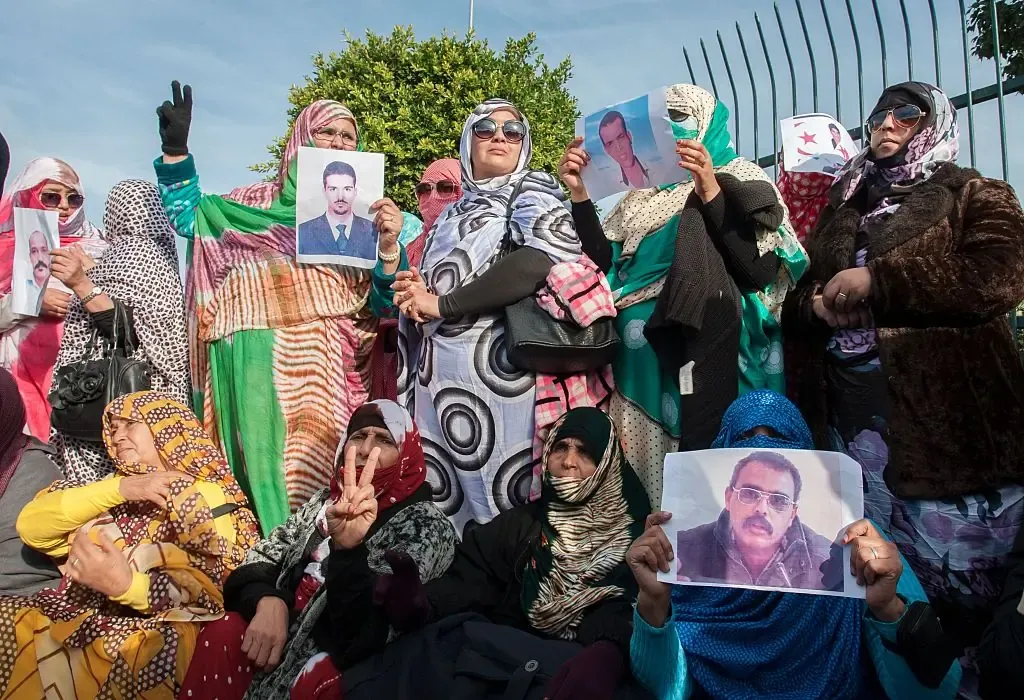
In a shocking report published by the League for the Protection of Sahrawi Prisoners in Moroccan Jails (LPPS), the organization highlights a grave deterioration in the conditions faced by Sahrawi prisoners. The report, titled "Without Treatment... Without Visits... Without Justice", outlines a systematic approach by Moroccan authorities that comprises political arrests, mock trials, deliberate medical negligence, and severe violations of fundamental rights. The LPPS has observed that Morocco is implementing a collective punishment policy against Sahrawi prisoners and their families, effectively closing the door to international human rights missions and retaliating against any condemnation of the Moroccan regime, which has militarily occupied Western Sahara since late 1975.
Key Findings of the 2025 Report
The LPPS’s findings are alarming and reveal a multifaceted crisis affecting Sahrawi prisoners. Firstly, the report documents numerous political arrests and unfair trials aimed at activists and students, including the kidnapping of eight students in front of the Faculty of Letters in Agadir on September 26, 2025, due to their activism. Judicial sentences are described as "iniquitous," with notable cases such as the two-year prison sentence and fine imposed on activist El Bachir Bouali, alongside the eight-month sentences given to students Salah Eddine Sebbar and Brahim Babit. Furthermore, the forced relocation of prisoners to jails far from their family residences is classified as a punitive measure that contravenes the United Nations' Minimum Rules for the Treatment of Prisoners.
Secondly, the report sheds light on a silent health catastrophe characterized by systematic medical negligence. Numerous prisoners have been denied necessary healthcare or hospital transfers, endangering their lives. Specific cases include the denial of treatment for ear and joint issues for Mohamed Lamine Abidine Haddi, and the failure to provide medical attention to Abdeljalil Laaroussi and others despite critical medical reports since 2017. Additionally, expired medications were administered to prisoner Ahmed El Bachir Sbaï, and prisoners have been exposed to toxic pesticides during disinfection operations without adherence to safety protocols.
Moreover, the report details the ongoing deprivation of visitation rights and communication. For instance, the French activist Claude Mangin has been banned from visiting her husband, Naâma Asfari, for seven consecutive years. Families of prisoners from Spain have also faced communication cuts as a punitive measure. The situation further deteriorates with documented incidents of mistreatment and inhumane conditions, including verbal abuse, threats, and humiliating searches, as well as exposure to cold water as a form of psychological and physical torture.
The report underlines the targeted reprisals against the families of detainees, highlighting the kidnapping of a minor (child of a prisoner) in the occupied city of El Aaiún and the intimidation of family homes alongside constant surveillance. Additionally, 26 hunger strikes, both individual and collective, took place throughout 2025, aimed at securing basic rights, often concluding with unfulfilled promises from prison authorities.
The LPPS concludes that these violations constitute a collective punishment policy against Sahrawi prisoners and their families, with nearly total obstruction to international human rights missions and retaliatory actions coinciding with any international condemnation of Morocco. The organization calls for the immediate and unconditional release of all Sahrawi political prisoners, access for the International Red Cross and humanitarian organizations to visit detainees, and urgent medical care for all prisoners, particularly those with critical and chronic conditions. Furthermore, it demands an end to forced relocations, fair trials, cessation of all forms of torture and mistreatment, and protection for the families of detainees against pressures and reprisals.
As reported by resumenlatinoamericano.org.