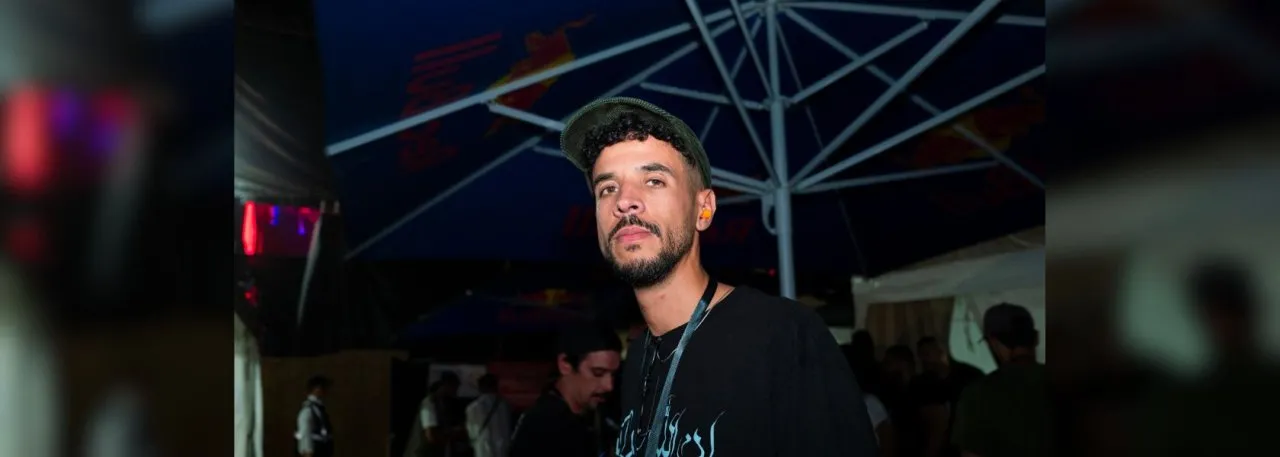

Since July 13, 2026, Moroccan filmmaker and musician El Mahdi Lyoubi has been detained following a travel ban imposed without any publicly disclosed reasons. His case has ignited serious concerns regarding freedom of expression and artistic creation in Morocco. The International Federation for Human Rights (FIDH) and the World Organisation Against Torture (OMCT), as part of the Observatory for the Protection of Human Rights Defenders, along with a collective of cultural institutions, professional associations, journalists, and human rights advocates, have urgently called upon Moroccan authorities to release him without delay.
July 21, 2026. Born in 1992 in Salé and residing in Marseille since 2017, El Mahdi Lyoubi trained at La Fémis and has built an internationally recognized career as a director. His documentary short film "Marseille, 14 juillet" has been featured in numerous festivals, including New Directors-New Films at MoMA in New York, Sheffield DocFest, the Kerala Festival, and the African Film Festival in Tarifa, among others. Currently, he is working on his first feature-length documentary, a project that received selection in 2025 from the Arab Fund for Arts and Culture (AFAC). Known musically as Mehdi Black Wind, he has been creating works focused on social justice and freedom of expression since the 2010s. In September 2025, he performed at the L’Boulevard festival in Casablanca to an audience of over 50,000.
On July 10, 2026, as he was preparing to return to Marseille after a family visit and location scouting for his next documentary, Lyoubi was informed at the Rabat-Salé airport boarding area of a travel ban against him, with no explanation provided for this decision. Prevented from boarding his flight to France, he was redirected to the Salé police station, where officers were also unable to clarify the reasons behind the travel ban. Instead, he received a summons to appear at the National Brigade of Judicial Police (BNPJ) in Casablanca on July 13, 2026.
After a full day of interrogation, he was placed in police custody that evening. His family was only informally informed late that his arrest was allegedly connected to his social media posts, without further clarification, and that he would appear before the prosecutor on July 15.
Following his appearance before the prosecutor and subsequent presentation to a judge, El Mahdi Lyoubi was remanded in custody at the Oukacha prison, awaiting his hearing set for July 22. This situation unfolds amid a nationwide strike by lawyers in Morocco, which has prevented legal representatives from assisting him. As of now, his lawyers have not been able to meet with him or access the judicial file, and his family has also been denied visitation rights.
A Worrying Trend Targeting Artistic Expression
Lyoubi's arrest is not an isolated incident. Since the fall of 2025, several artists in Morocco have faced legal action or convictions due to the content of their works or publications. Rapper Jawad Asradi, known as Pause Flow, was arrested in November 2025 and placed in pre-trial detention due to the lyrics of several of his songs, later receiving a suspended three-month prison sentence for contempt of a public institution, a sentence upheld on appeal in June 2026. Another rapper, Hamza Raid, was also arrested in Casablanca and sentenced to six months in prison with a suspended sentence. In March 2026, 20-year-old rapper Souhaib Qabli was sentenced to eight months in prison for contempt of a constitutional institution and disseminating false news. In February 2026, film distributor Zineb Kharroubi received a six-month suspended sentence for incitement to commit crimes or offenses via electronic means.
These cases, while differing in circumstances, highlight a worrying trend: the increasing criminalization of artistic expression. Article 25 of the Moroccan Constitution guarantees freedoms of thought, opinion, and expression in all forms. It is in the name of this fundamental text and Morocco's international commitments that we express our concerns.
These developments are occurring within the context of the GenZ 212 protest movement that has emerged since the fall of 2025. This movement, largely coordinated through social media, advocates for access to health and education, the fight against corruption, and freedom of expression.
Believing that freedom of creation and expression is essential for the cultural and democratic vitality of any society, the signatories of this letter urge Moroccan authorities to:
- Ensure El Mahdi Lyoubi's full procedural rights and guarantees as recognized by the Moroccan Constitution, national legislation, and the Kingdom's international commitments, particularly the full exercise of defense rights;
- Reassess without delay any restrictive measures against him to ensure they are based on clear legal grounds, serve a legitimate aim, and adhere to principles of necessity and proportionality;
- Ensure that the handling of this case complies fully with fair trial guarantees as well as Morocco's constitutional and international obligations regarding the protection of human rights and fundamental freedoms;
- Enhance conditions that allow artists, creators, and cultural actors to freely engage in their activities and participate in public discourse in a climate respectful of freedoms, pluralism, and the diversity of artistic and cultural expressions;
- Immediately and unconditionally release El Mahdi Lyoubi.
We remain attentive to the developments of this case and are open to constructive dialogue with the relevant authorities.
As reported by fidh.org.