
Call to Action for Sahrawi Political Prisoners
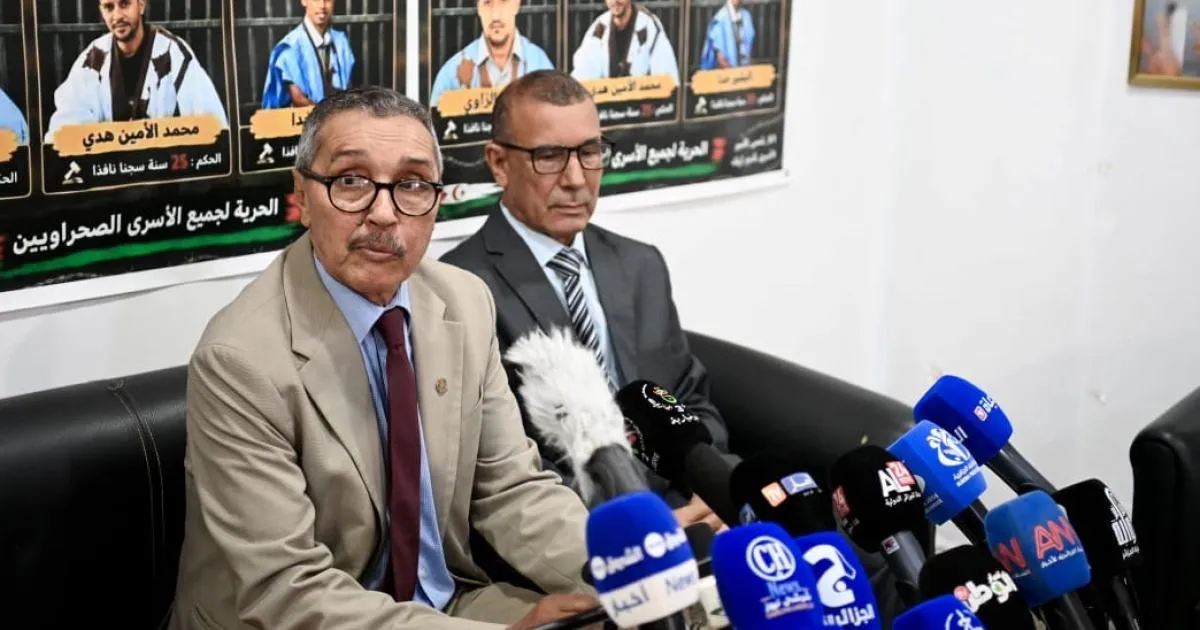
On October 10, 2026, in Algiers, Khadri Addouh, the Algerian ambassador and member of the National Secretariat, made a critical appeal to international organizations and bodies, urging them to intervene and safeguard the lives of Sahrawi political prisoners who are currently enduring a hunger strike in Moroccan prisons. During a press conference held at the Information Centre, Ambassador Addouh shed light on the dire conditions faced by these Sahrawi civilians, emphasizing the neglect, psychological strain, and emotional distress they suffer under the Moroccan authorities. He expressed grave concern over the coercive tactics employed by these authorities to force concessions from the prisoners, while also highlighting the profound suffering experienced by their families, who are barred from visiting them.
Throughout his address, Ambassador Addouh praised the unwavering resolve of the Sahrawi prisoners, commending their dedication to the principles of freedom and independence that resonate deeply within their community, despite the inhumane conditions they are subjected to. He reiterated the ongoing campaign led by the Sahrawi people, which calls for the unconditional release of all political prisoners. This movement has garnered support from numerous international human rights organizations, further bolstered by Algeria's firm stance advocating for adherence to international law and legitimacy.
International Attention on the Western Sahara Issue
Ambassador Addouh underscored that the prisoners' hunger strike is occurring at a pivotal moment when the situation in Western Sahara is receiving heightened scrutiny from some of the highest international platforms, including the United Nations Security Council, the UN General Assembly, and the Fourth Committee focused on decolonization efforts. He reiterated his urgent appeal to the international community, emphasizing its responsibility to take immediate action to protect the Sahrawi prisoners, alleviate their suffering, and respond to the growing calls for their release. Furthermore, he advocated for the need to permit access to the occupied territories for journalists, international observers, and human rights organizations, pointing out the stringent restrictions currently imposed in these regions. Such measures are crucial for ensuring transparency and accountability regarding the treatment of Sahrawi political prisoners.
As reported by spsrasd.info.