
U.S. Ambassador's Strong Stance Against the Polisario Front
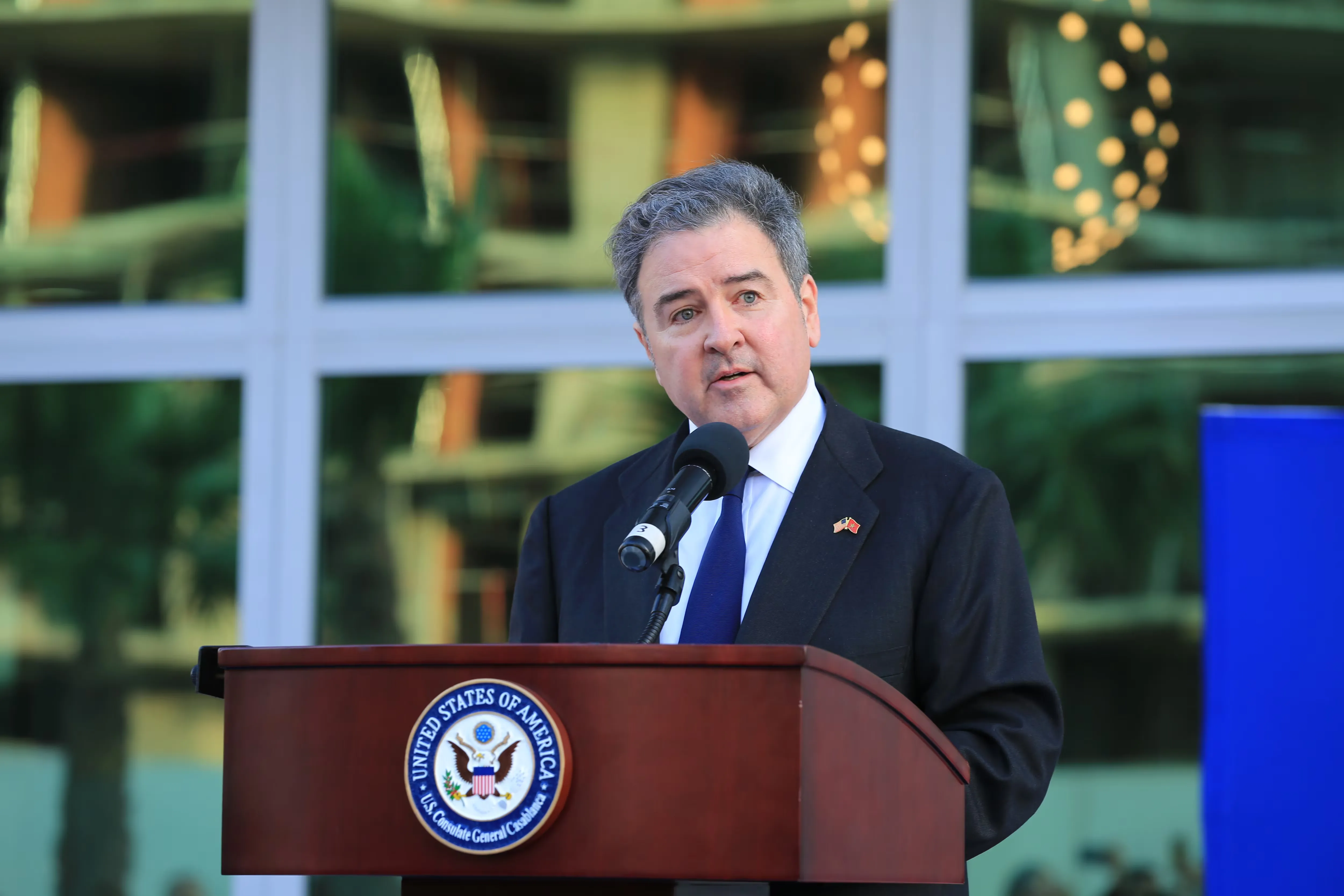
Duke Buchan III, the United States Ambassador to Morocco, has taken a significant step in American diplomacy regarding the Sahara issue by directly addressing the troubling actions of the Polisario Front. In a poignant tweet on May 19, he highlighted the recent violent incidents attributed to the separatist group and reaffirmed the U.S. commitment to support Morocco's autonomy plan. Buchan's remarks come at a time when the Polisario faces increasing international isolation and diminishing support from its main backer, Algeria. He noted that the recent violence perpetrated by the Polisario has drawn unanimous condemnation worldwide and warned that their continued refusal to engage constructively threatens the progress achieved towards peace.
International Reactions and the Consequences of Violence
The U.S. position is clear: rather than fostering a peaceful resolution, the Polisario is exacerbating tensions in the region. The criticism from the U.S. ambassador is particularly striking given that the U.S. is currently involved in negotiations aimed at reaching a definitive solution to the conflict. Buchan underscored the importance of negotiation, stating, "Peace requires partners willing to negotiate for a better future." This assertion aligns with the broader U.S. policy that has consistently supported Morocco's autonomy plan as the most realistic pathway to a negotiated settlement, a viewpoint echoed in various United Nations resolutions.
Moreover, the recent escalation of violence, including an attack on May 5 near Es-Smara that resulted in injuries to civilians, has only intensified the scrutiny on the Polisario. The group's attempt to frame these attacks within a misleading narrative of resistance has been met with immediate and widespread condemnation from the international community, including statements from various nations and organizations expressing solidarity with Morocco. The U.S. mission to the UN firmly denounced the Polisario's actions, emphasizing the need to end a conflict that has persisted for over fifty years.
As the international community rallies against the Polisario's violent tactics, the group's isolation grows. The U.S. administration, which previously adopted a more lenient stance towards the Polisario, now appears poised to take more stringent actions, potentially including designating it as a terrorist organization. This potential designation reflects a growing recognition of the true nature of the separatist movement and its methods.
In conclusion, the ongoing violence and the Polisario's failure to engage in meaningful dialogue have led to a decisive shift in the narrative surrounding the conflict. With the support from Algeria waning and international condemnation mounting, the time for excuses and misrepresentation of their actions is rapidly coming to an end. The call for genuine engagement towards a peaceful resolution has never been more urgent.
As reported by fr.le360.ma.