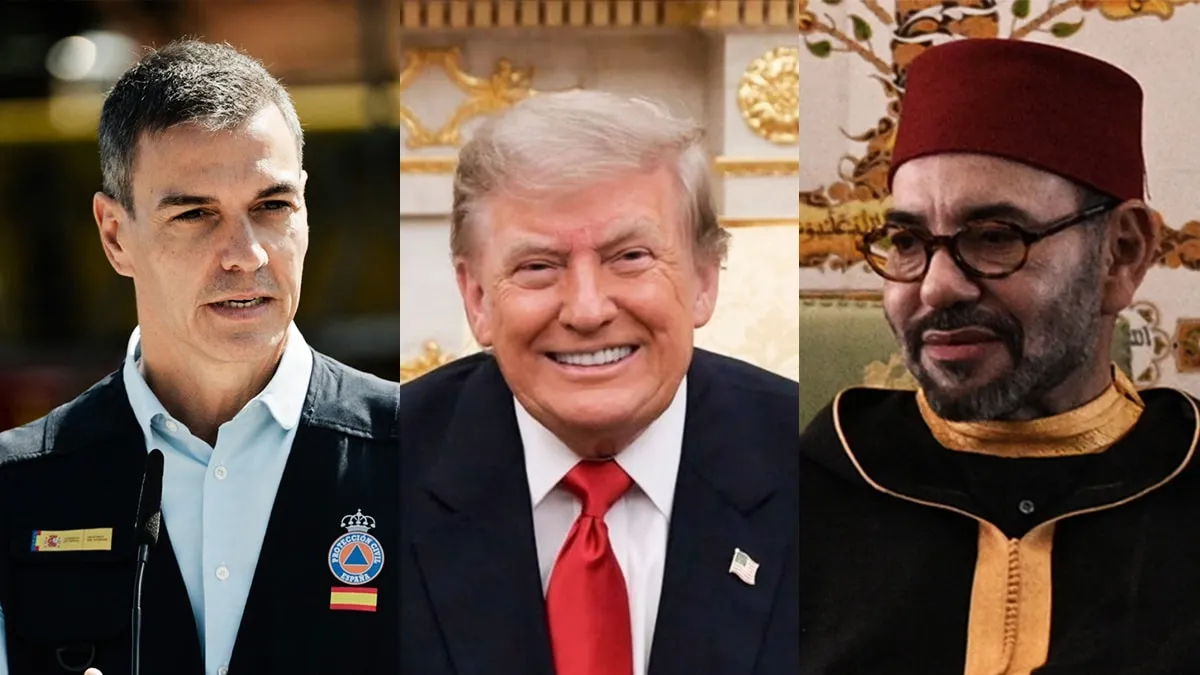

The recent arms sales by the United States to Spain and Morocco have drawn significant attention, especially considering their timing just before a major migration crisis in Ceuta. On July 29, the U.S. Senate approved two substantial arms deals worth over $50 million for Morocco and more than $100 million for Spain. This decision underscores America's dual approach of reinforcing alliances while capitalizing on lucrative arms trade opportunities. As the world’s leading arms exporter, the U.S. holds a commanding 42% share of global arms exports, as reported by the Stockholm International Peace Research Institute (SIPRI).
Spain's position in the global arms import landscape is relatively modest, accounting for a mere 0.6% of worldwide imports, ranking it 39th. In contrast, Morocco, a strategic ally of both Spain and the U.S., ranks 28th in global arms imports. This disparity highlights the depth of military cooperation between the U.S. and Morocco, where approximately 60% of the arms imported by Rabat originate from the United States. Spain similarly relies on American arms, with nearly 49% of its military acquisitions sourced from the U.S., followed by Switzerland and France.
Details of the Recent Arms Sales
The U.S. is leveraging its position as a dominant player in the defense sector and a key ally to both Spain and Morocco. The arms sales were announced shortly before the onset of a significant migration influx into Ceuta, which saw around 60,000 irregular migrants entering, marking an unprecedented situation. According to the U.S. Senate records, a senior official from the State Department reported the certification of a proposed export license for defense articles and services to Canada, Morocco, and the United Arab Emirates, valued at $50 million or more. This certification is a crucial step that must be approved by Congress before details regarding the specific military materials can be disclosed.
Similarly, for Spain, the process followed the same protocol. Through notification EC–4227, the State Department communicated the approval of a proposed defense export license to Spain for a total of $100 million, again requiring Congressional approval before specifics regarding the exported arms can be made public. The nature of the materials involved in both sales remains undisclosed, pending the necessary legislative endorsements.
As reported by elindependiente.com.