US Committee Questions Spanish Sovereignty Over Ceuta and Melilla
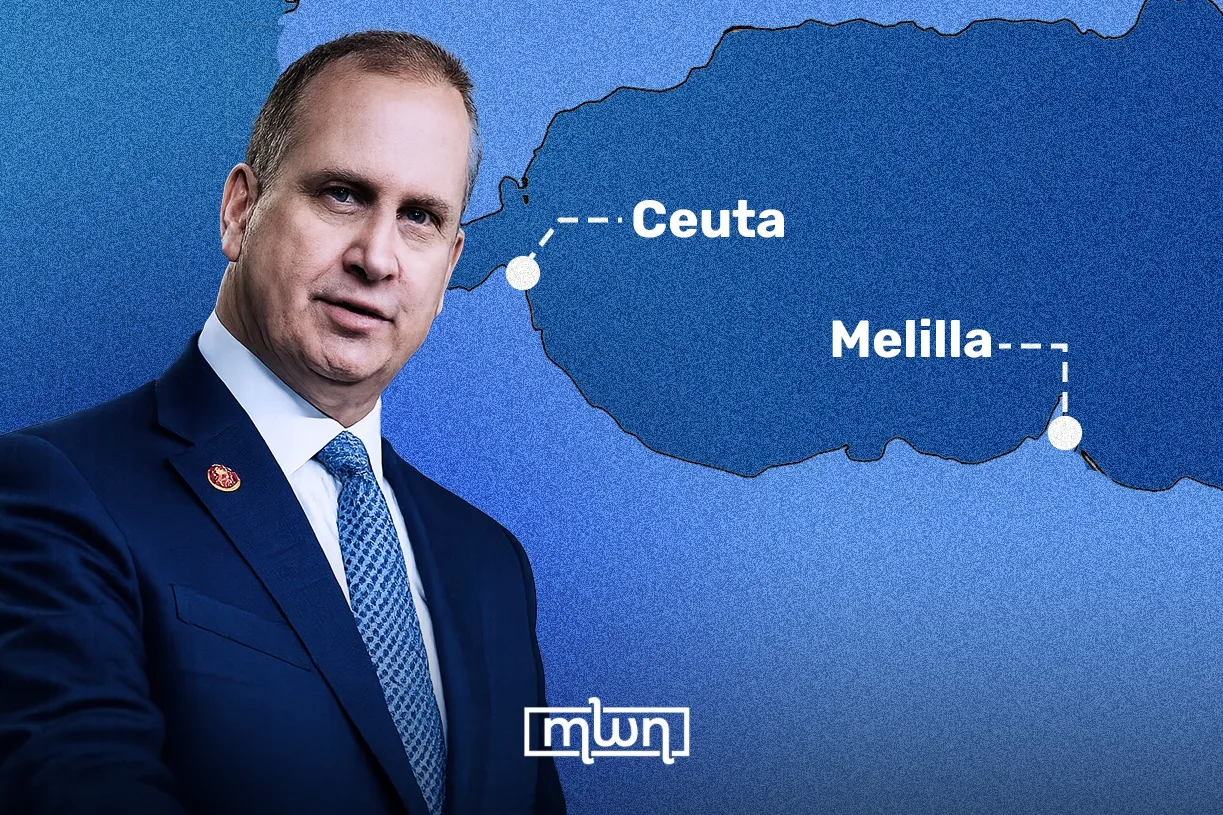
A recent document from a committee of the United States House of Representatives has stirred significant controversy by describing Ceuta and Melilla as Spanish-administered cities that are "located in Moroccan territory." This marks a pivotal moment in international relations, as it is the first known instance of a legislative body in Washington openly challenging Spain's sovereignty over these historically Moroccan enclaves. The statement appears in the House Appropriations Committee's report, specifically on pages 86 and 87, and it goes beyond anything previously articulated by American institutions regarding this sensitive geopolitical issue.
The committee's report not only acknowledges Morocco's longstanding claim to these territories but also expresses support for diplomatic efforts between Morocco and Spain concerning their future status. Furthermore, it reaffirms the United States' enduring partnership with Morocco, dating back to the Treaty of Peace and Friendship established in 1786, while designating significant funding for Morocco under various programs for the upcoming fiscal year.
Implications of the Committee's Assertions
This formal acknowledgment from the U.S. House of Representatives has sent shockwaves through Madrid, raising fears that Washington is leveraging Spain's North African territories as a diplomatic pressure point. Representative Mario Díaz-Balart, who played a crucial role in crafting this language, serves as vice-chair of the Appropriations Committee and is a key ally of Secretary of State Marco Rubio. His previous comments asserting that Ceuta and Melilla are not part of Spain geographically but rather Morocco’s territory have already heightened tensions. This situation reflects a broader trend of deteriorating relations between the United States and Spain, particularly following Spain's refusal to allow U.S. military operations from its bases in response to the Iran conflict, which has further strained diplomatic ties.
In light of these developments, the U.S. committee's language represents a significant shift, moving a long-standing diplomatic dispute into the formal legislative dialogue of the United States. As discussions about sovereignty and territorial claims evolve, the implications for U.S.-Spain relations and broader geopolitical dynamics in North Africa remain to be seen. The committee’s actions have thrust the question of Ceuta and Melilla's status into the forefront of international discourse, suggesting that this issue will not fade from the diplomatic agenda anytime soon.
As reported by moroccoworldnews.com.