
U.S. Military Evaluates Options Against Iranian Nuclear Facilities
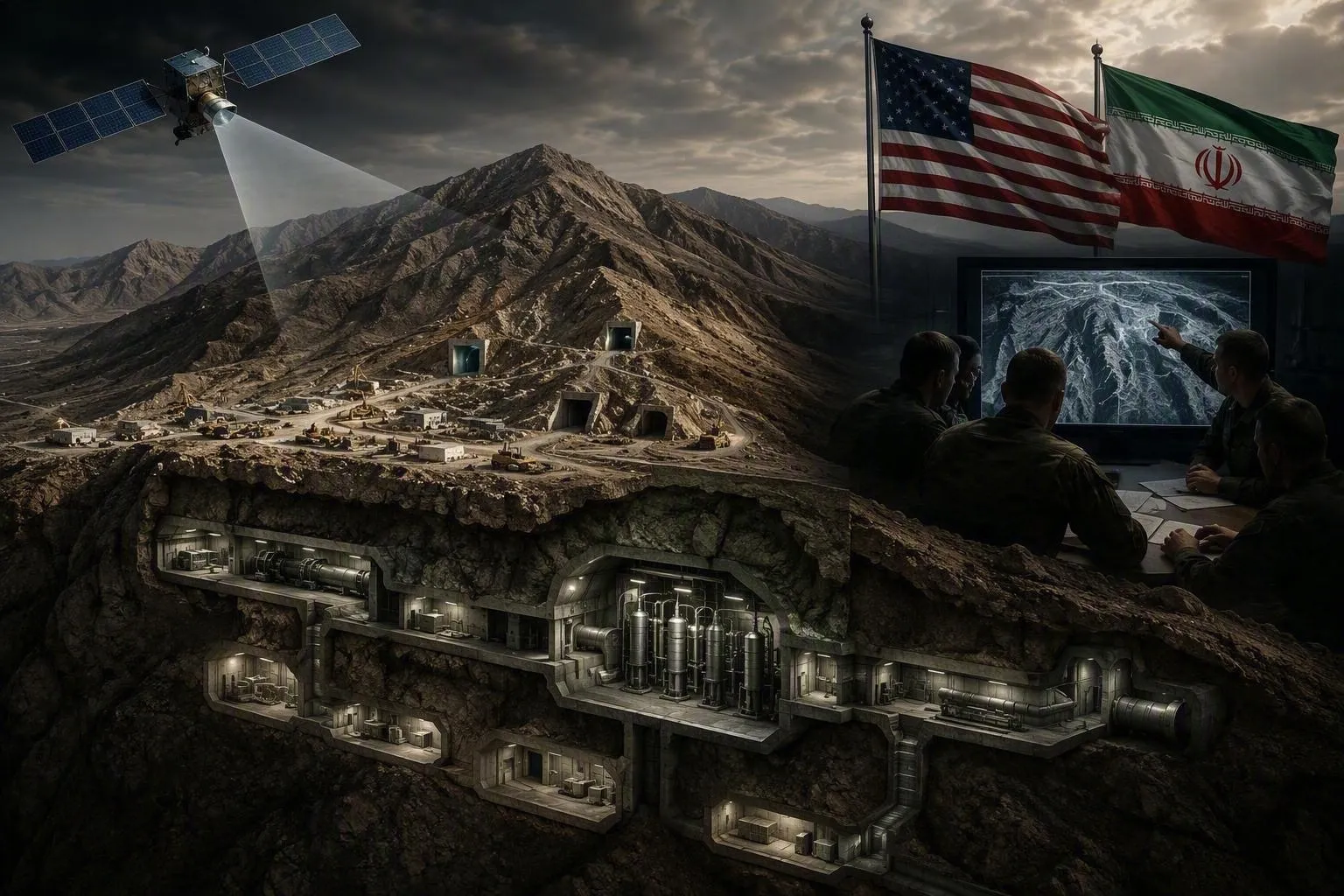
Recent revelations from CNN have shed light on the escalating activities within the U.S. Department of Defense (Pentagon), focusing on the assessment and planning of military options aimed at executing decisive strikes against Iran's heavily fortified nuclear installations. Among these sites, the 'Mount Fasa' facility has emerged as a primary target due to its strategic significance and the complexities involved in penetrating its defenses.
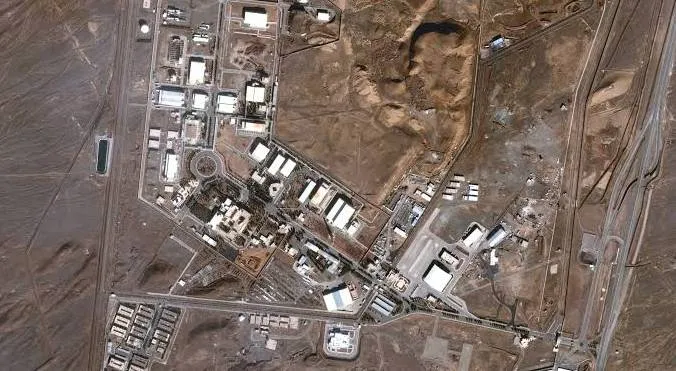
The CNN report highlights that Pentagon officials have recently convened in rigorous planning sessions to explore how to breach these intricate facilities. Satellite imagery has indicated significant construction and expansion activities at 'Mount Fasa' (locally known as 'Kuh Kalang'), located near the Natanz uranium enrichment facility. This development occurs amidst ongoing military tensions between Washington and Tehran, adding urgency to these discussions.
Analysts referenced by CNN suggest that this facility has been constructed as a 'safe haven' designed to protect the core of Iran's nuclear program, particularly its advanced centrifuges, safeguarding them from aerial strikes that could decimate less fortified surface installations. The strategic importance of 'Mount Fasa' has been underscored by recent statements from former President Donald Trump, who warned of potential strikes on the site, asserting that the U.S. is aware of Iran's every move and is prepared to respond decisively.
Geographical Challenges and the Facility's Fortifications
Located in the southwestern region of Tehran within the Zagros mountain range in Isfahan province, 'Mount Fasa' is reportedly excavated to depths of 600 meters beneath solid granite layers. It features four main entrances, each measuring 6 meters wide and 8 meters high, rendering it resilient against even the most advanced bunker-busting bombs in the U.S. arsenal, such as the GBU-57. Despite Tehran's persistent assertions since the site's construction in 2020 that it is solely intended for the production of centrifuges for peaceful purposes under surveillance, the International Atomic Energy Agency (IAEA) has yet to gain permission to inspect the facility, citing its exclusion from establishments covered under existing inspection agreements.
As reported by royanews.tv.