Escalating Tensions Between the US and Iran
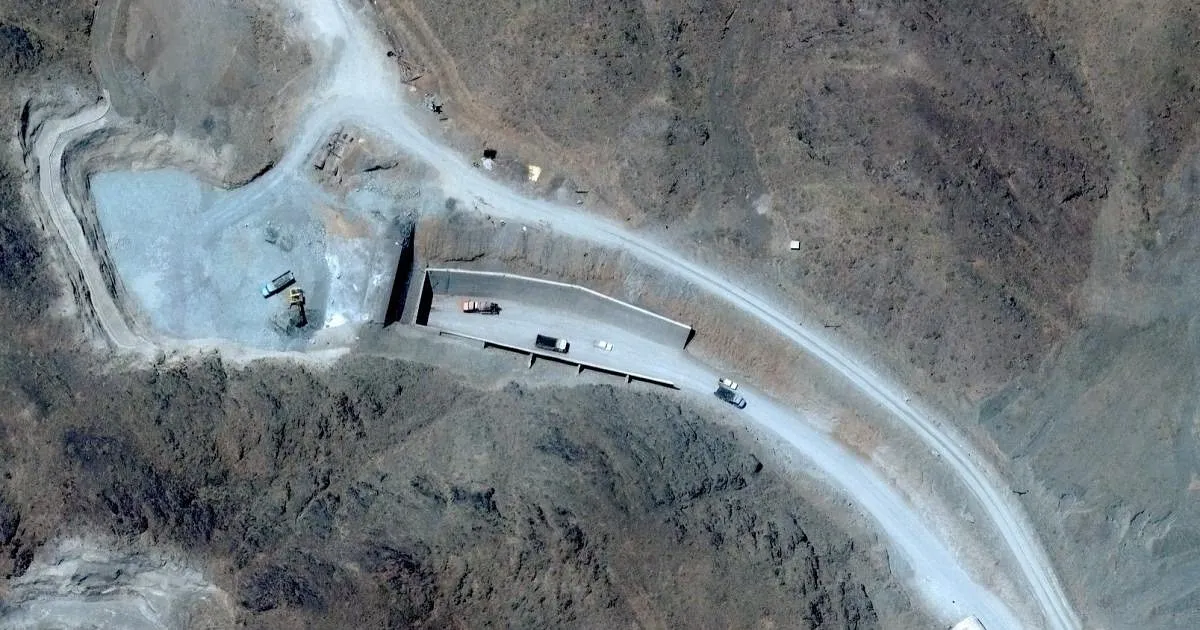
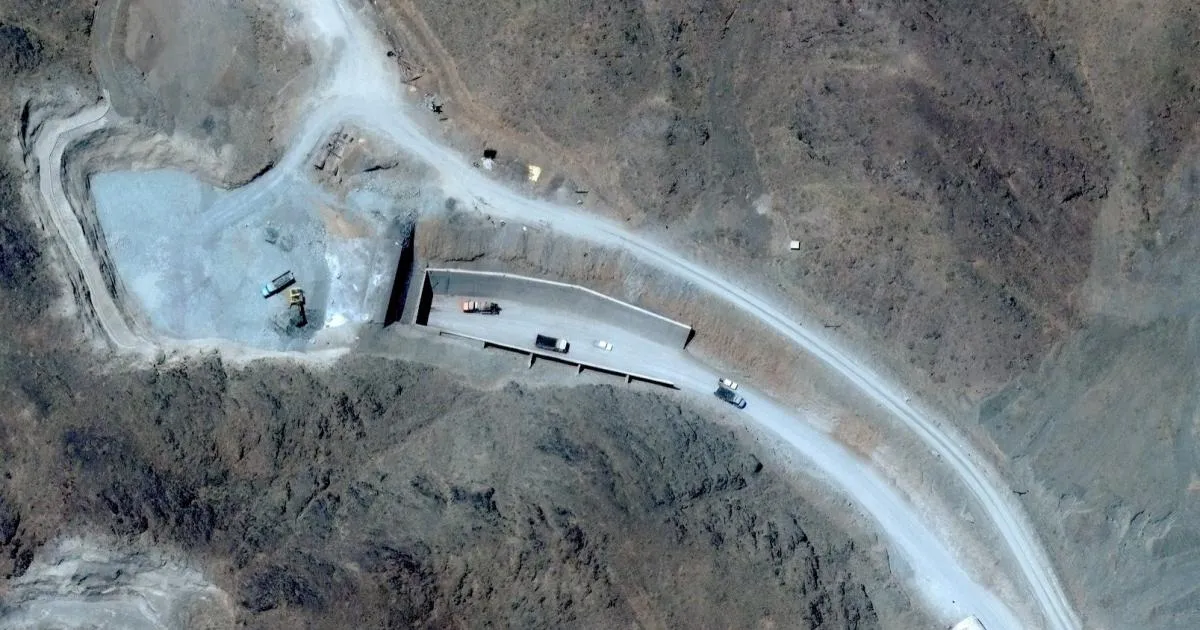
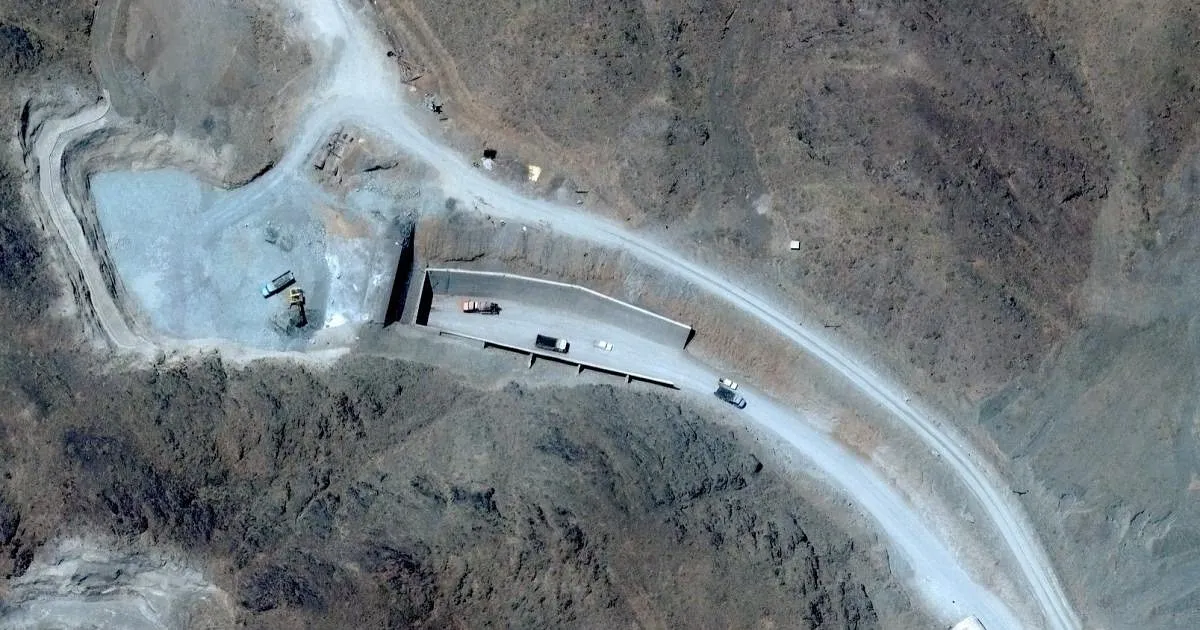
In a significant escalation of rhetoric, U.S. President Donald Trump has issued a stark warning concerning the destruction of the controversial nuclear site known as 'Pickaxe Mountain' located deep within Iran. In recent statements to the media, Trump emphasized that American forces are closely monitoring this site, indicating that any suspicious activity would trigger a decisive military response. The U.S. administration is adamant that it will not hesitate to strike this facility as soon as credible reports of nuclear activities surface, as a part of its ongoing deterrence strategy against Iran.
This aggressive posture comes at a time when the region is witnessing an unprecedented exchange of missile and air strikes between Washington and Tehran, pushing the situation to a critical juncture. The U.S. military has announced a new wave of attacks targeting Iranian positions, which it claims is a response to assaults on commercial vessels in international waterways. The location of 'Pickaxe Mountain' is notably close to the famed Natanz uranium enrichment facility, and is characterized by complex engineering fortifications buried under deep rock layers. Technical reports suggest that this site houses fortified tunnel complexes designed to withstand conventional aerial attacks, making it a strategically complex target.
Military experts believe that the fortifications at this mountain may exceed the capacity of the most powerful bunker-busting bombs currently available in the U.S. arsenal. Regardless, U.S. officials assert that the military technology at their disposal can neutralize this nuclear threat, should a comprehensive confrontation be deemed necessary. Trump declared, "We will soon destroy Pickaxe Mountain, and U.S. intelligence is continuously monitoring this nuclear site closely."
Naval Blockade and Regional Implications
In addition to military threats, the United States has intensified its maritime blockade on Iranian ports. Trump announced via his platform that Iranian vessels would be barred from navigating international waters, aiming to cut off Tehran's funding sources and logistical capabilities amidst ongoing military operations that commenced earlier this year.
In response, Tehran has declared that its Revolutionary Guard will close the Strait of Hormuz to international navigation until further notice, resulting in significant disruptions in global energy markets. The spokesperson for the 'Khatam al-Anbiya' headquarters warned against any U.S. intervention in the strait, asserting that Iranian forces are on high alert to counter any aggression. Trump has accused Iranian leadership of failing to adhere to a recently established memorandum of understanding, prompting Washington to revert to a strategy of excessive military force. He indicated that military operations would continue in the coming days, with the primary goal of ensuring that Iran does not acquire nuclear weapons that threaten U.S. interests.
The escalating conflict has led to reciprocal strikes, with reports indicating that Tehran targeted what it claimed were U.S. military installations in neighboring Arab countries. Some Iranian attacks have reportedly resulted in civilian casualties and damage to critical infrastructure in those nations.
Despite the drumbeats of war, Trump has left the door slightly ajar for a potential political agreement to resolve the conflict, describing it as still 'possible.' However, the on-ground reality suggests that both parties are veering towards a comprehensive confrontation that could drastically alter the balance of power in the Middle East.
As reported by alquds.com.