
US Report Unveils Major Investment Barriers in Morocco
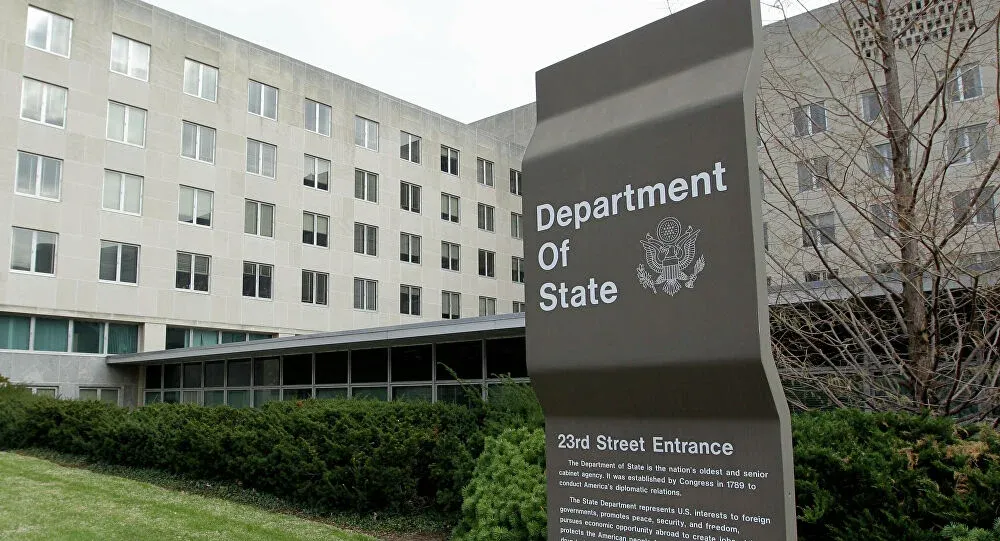
A recent official report from the United States has shed light on significant structural and administrative challenges that hinder the development of the business and foreign investment climate in Morocco. The report, issued by the US Department of State, indicates that Morocco's ambitions are confronted by various obstacles, primarily ineffective governmental bureaucracy, slow regulatory reforms, a lack of transparency in decision-making processes, and persistent corruption. American investors have expressed frustrations over unexpected delays and requests for additional documentation related to customs and taxes that do not align with standard practices.
Administrative complexities begin at the initial stages of establishment, where foreign companies, with the exception of French entities, are required to present an Arabic translation bearing the "Apostille" stamp of their foundational documents and a commercial registry extract from their country of origin in order to register through the national portal.
On the judicial front, the official US assessment highlights that litigation procedures are lengthy and resource-draining. The shortage of specialized training for judges in commercial matters remains a major challenge that obstructs effective dispute resolution. These complications extend to the banking sector and property rights, where some foreigners encounter difficulties in opening bank accounts, with reports indicating that Moroccan banks have closed accounts without prior warning. Regarding real estate and licensing, the report notes instances of land confiscation by local authorities due to disputes over building permits, as well as cases where construction was entirely prohibited despite previously obtaining the necessary licenses.
According to the US State Department, Moroccan legislation sets red lines for foreign capital, prohibiting foreigners from owning agricultural lands, allowing them only to lease for periods of up to 99 years. Moreover, restrictions cap foreign direct investment at 49% in air and maritime transport and fishing companies.
The report also identifies the labor market as one of the most significant barriers, with Morocco experiencing youth unemployment rates of 37.2% and 19.1% among graduates, alongside complaints from employers regarding a lack of sufficiently skilled candidates. The labor law adds to the complexity by imposing strict conditions that make it difficult to prove serious misconduct justifying dismissal, leading to substantial financial penalties for employers, who often opt to settle disputes outside of court, which frequently favor employees.
Labor disputes frequently arise from non-compliance with collective agreements or wage withholding, resulting in strikes in sectors with strong union representation, sometimes paralyzing government services. To tackle these challenges, the investment climate report outlines a range of solutions and reforms adopted by the Moroccan government. Notably, the updated "Investment Charter" offers incentives to reduce costs and support strategic industries, alongside efforts to enhance governance and combat corruption, including parliamentary approval of mandatory codes of conduct. Furthermore, the establishment of the National Agency for Strategic State Contributions (ANGSPE) aims to reimagine the public sector as a catalyst for economic innovation and sustainable growth.
As reported by achkayen.com.