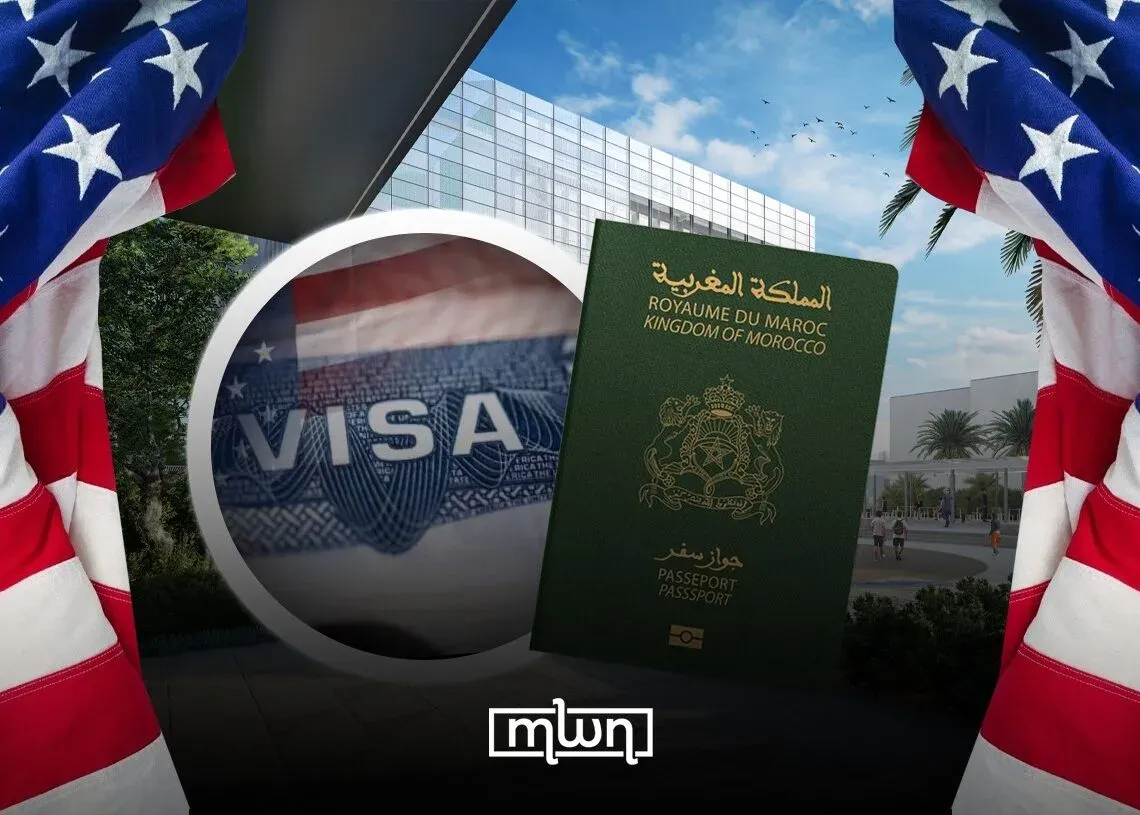

Overview of Visa Processing Changes in Africa
The United States State Department has announced plans to drastically cut the number of embassies and consulates across Africa that are authorized to process visa applications. This decision is set to reduce operations from nearly 50 to just 20 locations within the next few weeks. The news was initially reported by the Associated Press (AP) and stems from a directive approved by Secretary of State Marco Rubio last week. Although no specific date for the implementation has been disclosed, the changes are expected to take effect this month.
Details of the New Visa Processing Framework
During a recent conference call, U.S. diplomats, including consular chiefs, were briefed on the decision to limit visa services across the continent. This move is part of the Trump administration's wider initiative aimed at tightening both immigrant and non-immigrant visa issuance, as well as reducing the number of travelers overstaying their temporary permits. The administration has also been downsizing personnel at embassies and consulates globally since taking office.
Under the newly established framework, 20 designated "hubs" will maintain full visa-processing capabilities, with locations including major cities such as Abidjan in Ivory Coast, Accra in Ghana, and Nairobi in Kenya among others. While consular sections in non-hub countries will continue to operate, their mandates will be significantly limited to handling passport renewals for American citizens, emergency consular requests, special national interest cases, and diplomatic visa applications.
For citizens of countries not included in the hub list, the new policy presents substantial logistical challenges. Applicants will be required to travel—often across national borders—to access one of the 20 approved sites, which can incur considerable costs. Prior to this latest development, visa processing in Africa had already been experiencing significant disruptions due to factors such as travel bans targeting specific African nations, a bond requirement of up to $15,000 for visa applicants, and restrictions associated with the Ebola outbreak.
While the State Department has not commented on the specifics of the leaked memo outlining this plan, it has stated that it continually evaluates its overseas operations to ensure that resources are deployed in a manner that aligns with America’s priorities and maintains rigorous security standards.
Morocco, which hosts a U.S. Embassy in Rabat and a Consulate General in Casablanca, is notably absent from the list of 20 designated hubs. The status of Morocco's consular operations under the new restrictions remains unclear; however, its consulate in Casablanca operates independently as a standalone facility, which may provide it with some exemption from the new directive. This uncertainty follows closely on the heels of the recent inauguration of a state-of-the-art U.S. consulate compound in Casablanca’s Casa Anfa financial district, which was dedicated on April 30. The $350 million facility, designed with solar energy and water conservation systems, underscores the commitment to enhancing bilateral cooperation between the United States and Morocco.
As reported by moroccoworldnews.com.