
Rising Tensions Between the US and NATO Allies
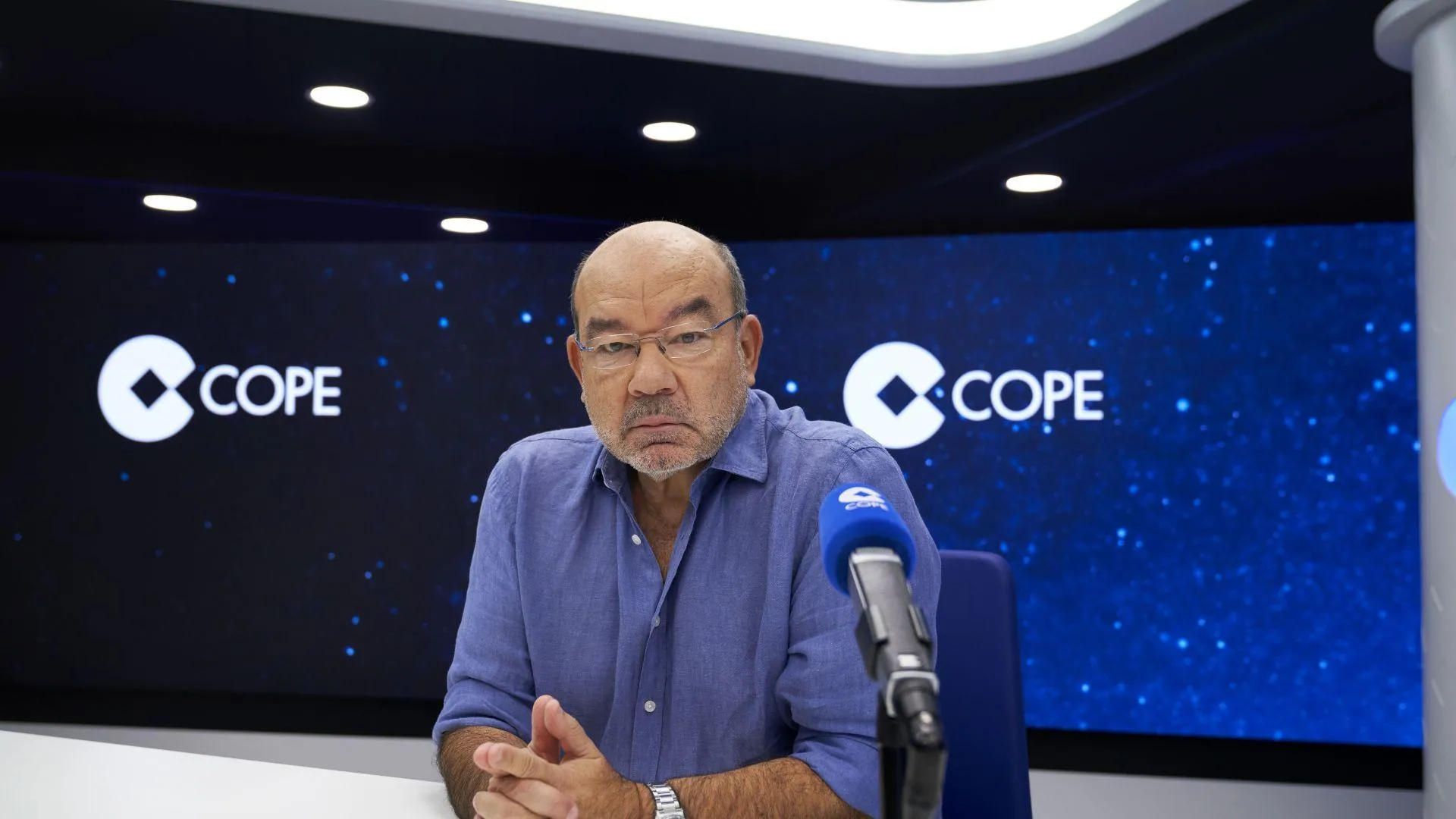
Recent developments have heightened tensions between the United States and several of its NATO allies, primarily due to an email leaked by Reuters revealing that the Pentagon is considering the possibility of suspending Spain from NATO. This potential suspension is attributed to what Washington perceives as Spain's insufficient support in the ongoing Middle Eastern conflict. Although such a suspension is not outlined in the NATO charter, this warning has prompted a significant discussion on the COPE program 'La Linterna,' hosted by Ángel Expósito.
In response to the leak, Spanish Prime Minister Pedro Sánchez downplayed its significance, emphasizing that the government does not operate based on emails but rather on official documents and positions taken by the US government. He reaffirmed Spain's commitment to collaborate fully with its allies while adhering to international legality.
The leaked document also suggests possible sanctions against other NATO nations deemed 'difficult,' including the United Kingdom. Washington has threatened to reassess its official stance on the Falkland Islands in favor of Argentina under Javier Milei's administration. Pete Hegseth, the US Secretary of War, has publicly criticized the lack of commitment from allies, stating that "Europe and Asia have benefited from our protection for decades, but that is no longer acceptable." He emphasized the need for capable and loyal allies, asserting that being an ally should not be a one-sided relationship.
Reflections on Spain's Position
Amid these statements, Ángel Expósito has raised concerns during 'La Linterna' about the potential ramifications for Spain, particularly regarding its territories Ceuta and Melilla and the evolving friendship between the US and Morocco. This warning comes at a time when the informal summit of European Union leaders is taking place in Cyprus, where President of the Council Antonio Costa reminded leaders of the mutual assistance clause enshrined in European treaties. However, he refrained from directly referencing the Atlantic Alliance, which complicates any notion of expelling a member state.
Costa highlighted the commitment of EU member states by citing a Hezbollah attack on Cyprus, which prompted immediate military support from Greece, France, Italy, Spain, and the Netherlands. Following the summit, European capitals have urged the Commission to propose measures for action should a member activate the mutual assistance clause, a scenario that only arose in 2015 after the Paris attacks.
Meanwhile, the situation in the Middle East remains unstable, with a fragile ceasefire between Israel and Lebanon. Although President Donald Trump announced a three-week extension of the ceasefire, Israeli airstrikes against Hezbollah in Lebanon have continued overnight. Israeli Prime Minister Benjamin Netanyahu has assured the US of his full operational freedom, stating that Israel is prepared to act against any emerging threats, especially from Hezbollah, which he accuses of undermining peace efforts with Lebanon.
As tensions escalate, diplomatic channels are reportedly opening between the US and Iran, with Tehran's Foreign Minister planning visits to Pakistan, Oman, and Russia to discuss the potential resumption of negotiations. However, no specific date has been set for a new direct meeting with Washington, leaving the situation in a state of uncertainty.
As reported by cope.es.