
Economic Strategies Against Morocco: A Viral Appeal
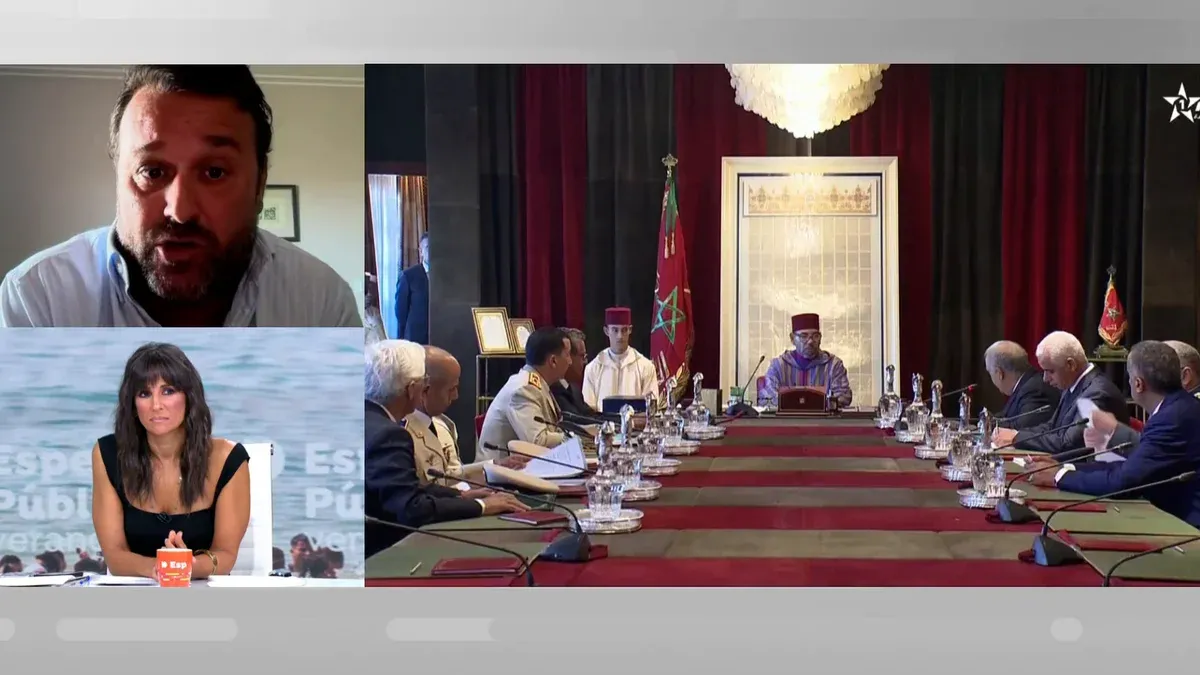
In recent days, a powerful video has emerged featuring José Vizner, a businessman whose remarks on potential economic retaliation against Morocco have quickly gained traction online. The video, which articulates a bold stance on how Spain could respond to the ongoing influx of migrants from Morocco, suggests that imposing tariffs on Moroccan goods could significantly harm the Moroccan economy. Vizner emphasizes that a staggering 85% of Moroccan exports transit through Spain, implying that strategic economic measures could be more effective than military intervention. "By asking Brussels to impose tariffs, we could effectively cripple their economy," Vizner asserts, underlining the significant influence Spain holds in this trade relationship.
During his conversation with Espejo Público, Vizner detailed the dynamics of this economic relationship, stating that Spain acts as Morocco's primary customer and financial backer. He stressed the importance of utilizing customs regulations to exert pressure, declaring, "We possess the authority to create immediate checkpoints at Algeciras, which could serve as a formidable bargaining chip." This statement underscores the potential for Spain to leverage its customs controls to ensure compliance and foster cooperation, rather than resorting to punitive measures.
Strategic Customs Controls: A Path to Collaboration
Vizner elaborated on how Spain could effectively use its customs system to reinforce its position without having to resort to outright tariffs. He suggested that by implementing strict phytosanitary controls, Spain could significantly impact Moroccan exports, which rely heavily on the European market for their livelihood. While he refrained from advocating for such drastic measures, Vizner pointed out that Spain holds a significant advantage in negotiations, given its role in the trade routes that service Morocco.
This situation reflects the broader implications of the ongoing migration crisis, which has seen a surge of individuals attempting to cross into Spain from Morocco, leading to a complex interplay of humanitarian, political, and economic factors. As Vizner aptly noted, while Morocco might seek alternative trade routes, the inherent risk associated with such a shift could lead to a reevaluation of how both countries engage with one another economically and politically. Therefore, the dialogue surrounding these potential economic strategies is not merely about retaliation but also about fostering a collaborative approach to shared challenges.
As reported by antena3.com.