
Strategic Investment in EV Battery Manufacturing
Volkswagen Group, in collaboration with its Chinese partner Gotion High-tech, is accelerating efforts to meet the surging global demand for electric vehicle (EV) batteries. They have announced plans to invest a substantial €3.22 billion (approximately US$3.66 billion) to establish three new production lines across Europe and North Africa. This strategic initiative aims to bolster their presence in the rapidly evolving EV market, which is increasingly dominated by the need for high-capacity lithium-ion batteries.
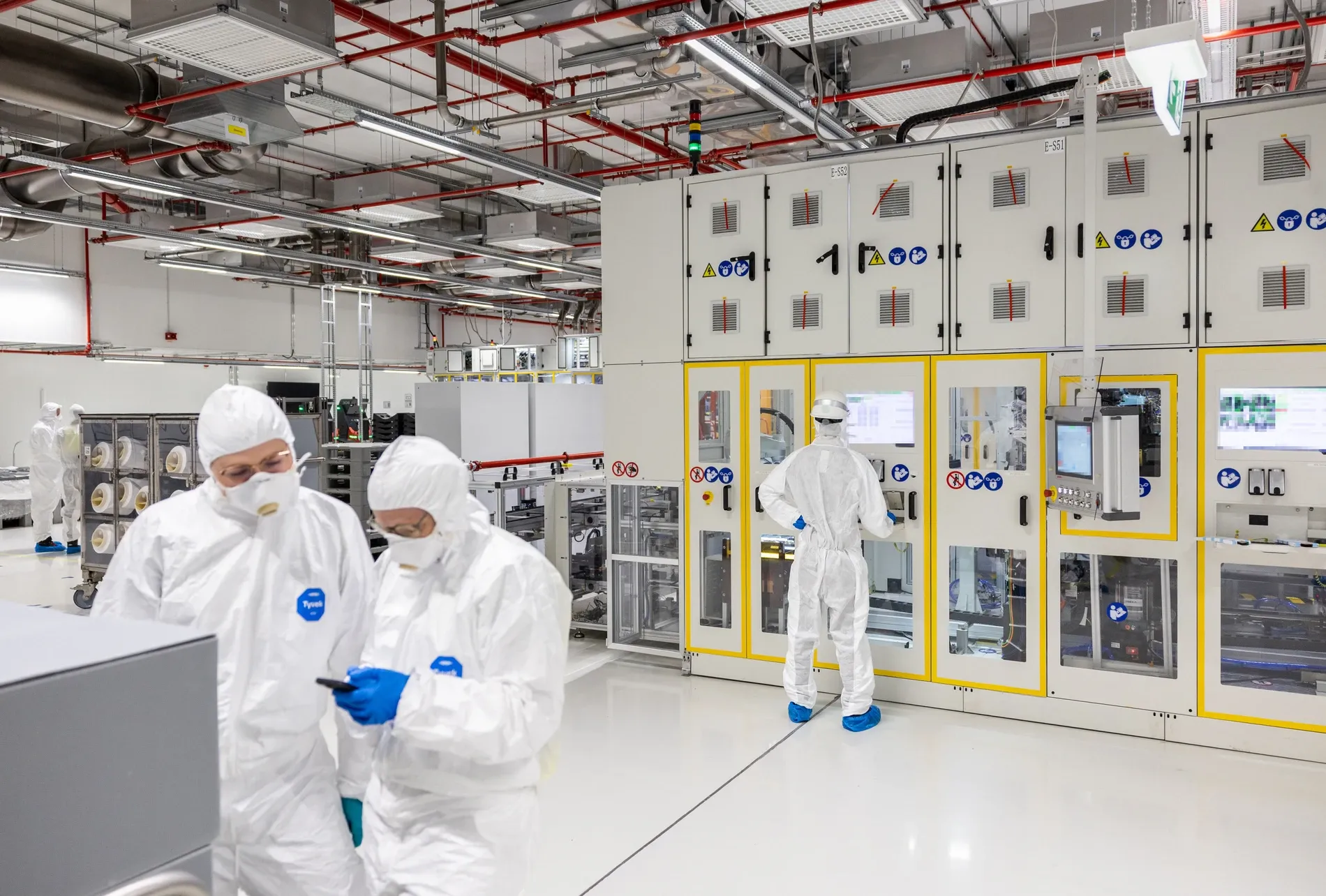
The proposed factories, which will be jointly owned by Volkswagen and Gotion—China's fourth-largest EV battery manufacturer—are projected to produce an impressive annual capacity of 37.5 gigawatt hours (GWh) of lithium-ion batteries and around 100,000 metric tons of cathode materials. This significant output underlines Gotion's commitment to expanding its global footprint while deepening its long-standing partnership with Volkswagen, as stated in a recent exchange filing.
Expanding Global Reach and Production Capacity
According to industry experts, one GWh of EV battery power is sufficient to power approximately 20,000 fully electric vehicles capable of covering distances of up to 500 kilometers (311 miles). Gotion plans to invest roughly €1.6 billion in the construction of these facilities, which are set to be located in Spain, Slovakia, and Morocco, with Volkswagen contributing a comparable amount. The most significant of these projects is an electric vehicle plant in Valencia, Spain, managed by Volkswagen's subsidiary PowerCo, which will receive a total investment of €2.26 billion to enhance its annual battery production capacity to 29.1 GWh.
As the demand for Chinese-developed EV batteries continues to rise beyond mainland China, Gotion is poised to leverage its partnership with Volkswagen to access European markets more effectively. Chen Jinzhu, CEO of the Shanghai Mingliang Auto Service consultancy, emphasized that this collaboration will accelerate Gotion's global expansion strategy. Currently, Gotion, which is headquartered in Hefei, Anhui province, holds a 24.3 percent stake owned by Volkswagen, highlighting the strong ties between the two companies.
In the first seven months of 2026, Gotion successfully delivered 34 GWh of battery capacity to various EV manufacturers, marking a remarkable growth of 44.2 percent from the previous year. SNE Research reported that Gotion's market share during this period increased to 4.7 percent, compared to 3.9 percent in the same timeframe last year. Alongside its domestic competitors—Contemporary Amperex Technology Ltd (CATL), BYD, and CALB—Gotion collectively captured an impressive 64.4 percent of the global EV battery market, underscoring the competitive landscape in which they operate.
China's robust manufacturing capabilities have afforded its battery producers a significant cost advantage, with prices falling by 13 percent year-on-year to an average of US$84 per kilowatt-hour (KWh) in 2025, according to a BloombergNEF survey. This competitive pricing is expected to further enhance the market position of Chinese manufacturers on the global stage, especially as CATL recently cleared regulatory hurdles for its €7.3 billion mega factory in Hungary, poised to produce 100 GWh annually.
Meanwhile, Volkswagen has also announced plans to reduce its stake in Gotion, aiming to lower its holdings to 19 percent by selling 96 million shares to an investment firm associated with the Hefei government for approximately 2.3 billion yuan (US$342.6 million). This move indicates a strategic shift as Volkswagen continues to navigate the evolving landscape of the EV battery industry.
As reported by scmp.com.