
Volkswagen and Gotion: A New Era in Battery Production
Volkswagen is taking significant steps to ensure a sustainable supply of affordable battery cells for its budget-friendly electric vehicles, and it is doing so by partnering with a Chinese company. The automotive giant's battery subsidiary, PowerCo, has entered into a collaborative venture with Gotion High-Tech, which will see the establishment of three joint ventures across Spain, Slovakia, and Morocco. The primary focus of these partnerships will be on lithium iron phosphate (LFP) cells, which currently hold a global market share of over 50%. These LFP cells are considerably more cost-effective than the nickel manganese cobalt (NMC) technology predominantly used in Europe, and as of now, there has been no mass production of these cells for vehicles within the region.
A particularly strategic aspect of this initiative is the location in Morocco. Near the capital city of Rabat, Gotion plans to manufacture not only battery cells but also cathode materials, a critical component in every battery. This development marks a significant milestone, as it would be the first instance of a Chinese company producing this material outside of its home country. Additionally, Gotion intends to supply lithium and rare earth materials, which enhances the security of supply for Volkswagen, especially as the production of cathodes in collaboration with Belgian raw material specialist Umicore has been progressing slowly and is limited to a different cell technology.
Joint Ventures and Investments: A Collaborative Approach
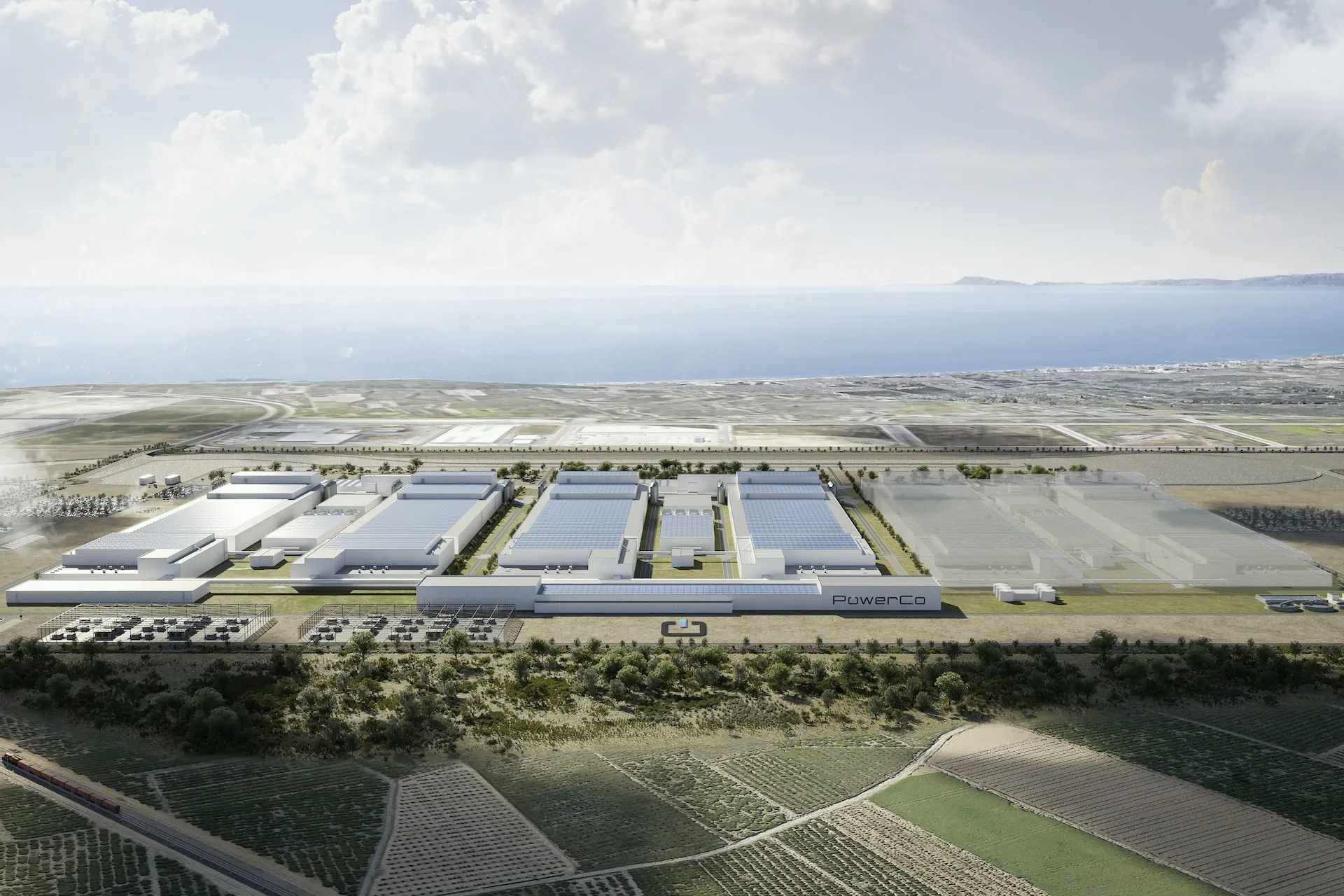
The investments in these ventures are structured reciprocally. Gotion will acquire a 49% stake in the gigafactory that Volkswagen is currently constructing in Valencia, Spain, providing an investment of approximately €1.1 billion. Production of battery cells is slated to commence there by 2027, with an anticipated output of around 30 gigawatt-hours. Conversely, PowerCo will also secure a 49% share in Gotion's plant located in Šurany, Slovakia, where LFP cells will be produced, with a similar investment of €235 million for both the Slovak and Moroccan ventures.
Each plant operates under its own set of guidelines. In Šurany, the joint venture will initially focus on the first phase with a planned capacity of 10 gigawatt-hours, supplying factories in Bratislava and Györ, Hungary, once Valencia reaches its full production capacity. The second phase of the Šurany plant is intended for use by other automotive manufacturers. The supervisory boards in Wolfsburg and Hefei have already approved these ventures, although final signatures are still pending.
In parallel, Volkswagen AG is planning to halve its 24% stake in Gotion, potentially generating close to €1 billion in revenue. This move aligns with a future agreement established by the supervisory board on September 3, which included Gotion among the investments slated for systematic review. Discussions surrounding the "Atlas Project" have been ongoing since the beginning of the year, reflecting the challenging landscape of European cell manufacturing. For example, Northvolt, in which Volkswagen held a 20% stake, filed for bankruptcy in March 2025 due to unreliable cell production. Similarly, ACC, a joint venture involving Stellantis, Mercedes, and Saft, has largely halted its plans, and even CATL is lagging behind schedule with its factory in Hungary.
PowerCo originally intended to establish its facilities more independently but faced delays. The first cell factory in Salzgitter is gradually ramping up production, with internal projections estimating around one million cells, equating to approximately 0.5 gigawatt-hours—sufficient for about 10,000 vehicles. Future expansion is aimed at achieving a capacity of 20 gigawatt-hours, with Gotion remaining a technology partner in this endeavor.
In the largest planned cell plant in St. Thomas, Canada, Gotion will not be involved due to concerns from PowerCo about jeopardizing government subsidies with a Chinese stakeholder. Consequently, there will not be any Gotion participation in the overarching PowerCo corporation.
Chinese manufacturers like Gotion, which holds just over 4% of the global market share, currently prefer shipping from domestic facilities to Europe, as it generally proves to be more cost-effective despite transportation expenses. However, this equation may soon change as the EU Commission is considering implementing Made-in-Europe regulations that would enforce minimum quotas for European parts, alongside potential higher tariffs on imported battery cells. Morocco, linked to the European Union through a free trade agreement, may benefit from such developments, although it does not provide absolute guarantees, as evidenced by the situation with the U.S. where a 10% tariff on imports from Morocco was introduced in April 2025, despite a free trade agreement established in 2006.
In light of the expansion of Chinese automakers into Europe, Volkswagen has been actively discussing strategies to respond effectively. A common approach is to involve Chinese manufacturers through joint ventures, and with its partnership with Gotion, Volkswagen is now adapting this successful model from China to Europe, initially limited to cell production.
As reported by elektroauto-news.net.