
Dedicated Volunteers Transform Historical Archives
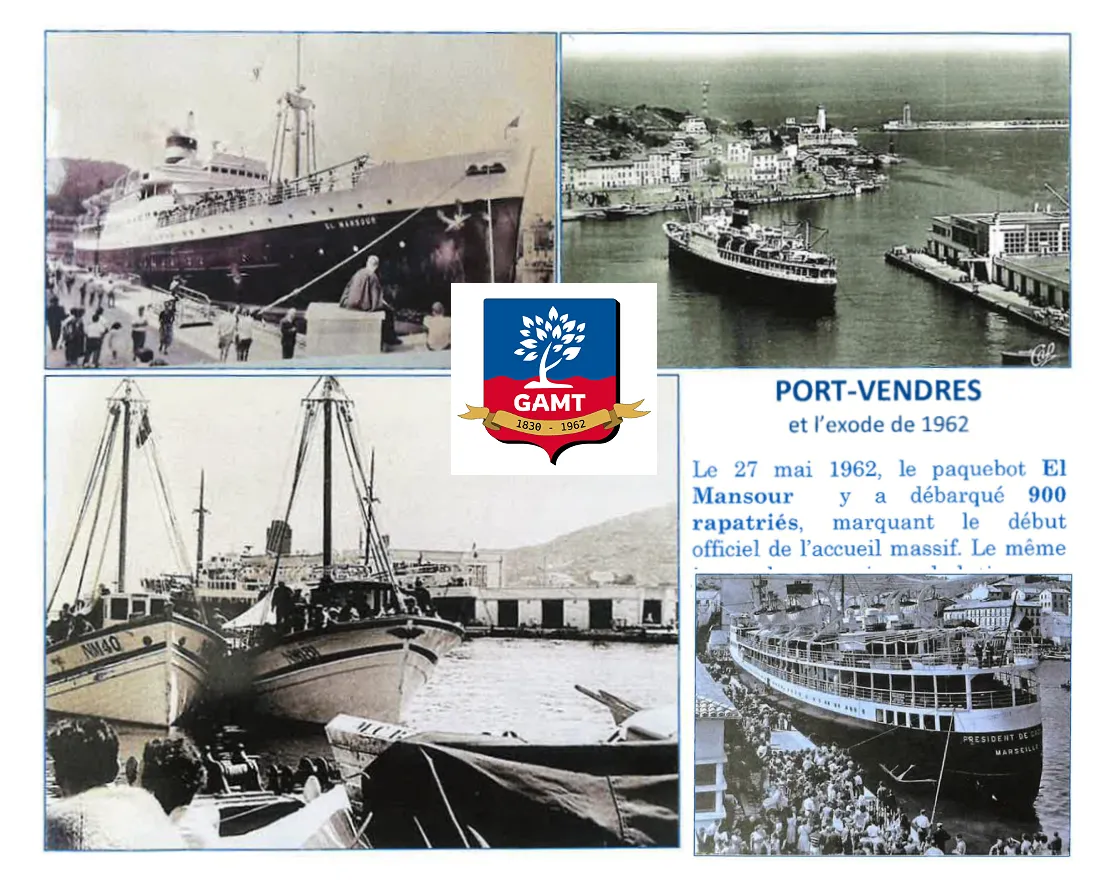
It took nearly a year for a group of four dedicated volunteers from Généalogie Algérie Maroc Tunisie (GAMT) to meticulously process and analyze 1,059 pages of historical documents housed at the Departmental Archives of Pyrénées-Orientales. These invaluable records provide a comprehensive account of French nationals who arrived at Port-Vendres in the years 1962 and 1963 following their repatriation from Algeria. Compiled by various authorities, including the General Intelligence Services, the documents include detailed nominal lists and essential information about the arrivals. Given the sensitive historical context, the endeavor undertaken in the Pyrénées-Orientales holds significant importance, especially considering the current difficulties in accessing archives related to Algerian repatriates, which are often dispersed and rarely digitized.
The collaboration between the local GAMT branch and the Pyrénées-Orientales Archives began in early 2025 when the former discovered the existence of these crucial records. The archives had already digitized the lists and proposed sharing them with GAMT for indexing. In return, GAMT committed to returning its work to the archives, resulting in the identification of 22,114 individuals, complete with their names, surnames, dates and places of birth, arrival dates, ship names, and destinations when available.
Facilitating Access to Historical Data
This newly created index is accessible to GAMT members, while the archives now accommodate research requests via correspondence. Previously, locating information about a repatriate was nearly impossible without knowledge of the specific ship or arrival date. Thanks to the new index, archivists can now efficiently track down passengers. Furthermore, there are plans to make this index available online on the AD 66 website following a software upgrade anticipated by 2028.
Without the commitment of these volunteers, such a time-consuming project would have been challenging to prioritize in the short term, especially for an archive service juggling multiple responsibilities. However, their contribution goes beyond the hours dedicated to the task. The original copies were often difficult to read and contained numerous names that were misinterpreted or misspelled as early as 1962. The volunteers' expertise in the surnames of European Algerians proved invaluable, allowing them to reconstruct many names accurately. While artificial intelligence could potentially expedite the transcription process, it also risks perpetuating the errors found in the source documents or introducing new inaccuracies. In this case, human expertise has led to significant improvements, including the correction of several mistakes made by those who compiled the lists in 1962.
As reported by rfgenealogie.com.