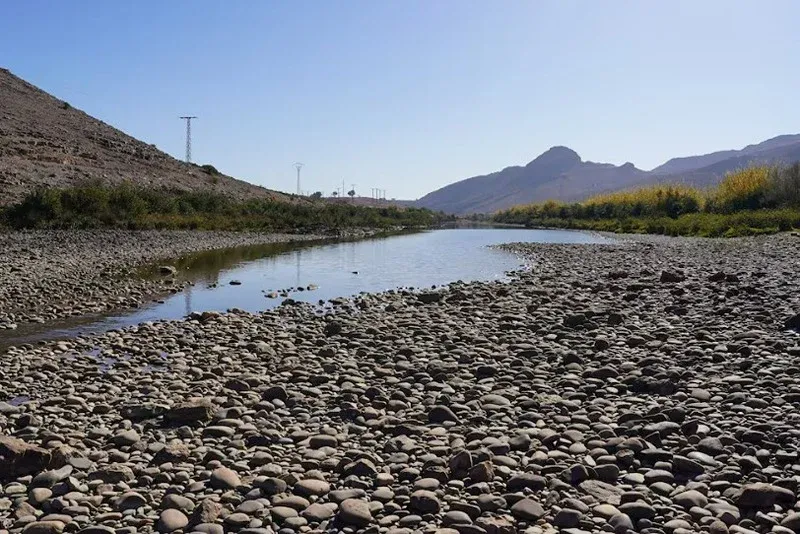

In light of ongoing tensions surrounding water resources, local authorities are urging several municipalities to reassess their priorities as they prepare their budgets for 2027. The regions of Casablanca-Settat, Rabat-Salé-Kénitra, Marrakech-Safi, and Béni Mellal-Khénifra are particularly impacted by this new directive.
Water stress has now become a pivotal factor in the budgeting processes of local governments. In several municipalities facing significant water shortages, local officials are calling on elected representatives to exercise greater diligence in spending and project planning for the upcoming fiscal year of 2027. According to sources cited by Hespress, provincial services have sent recommendations to the mayors and members of the financial and programming committees in various territories across the affected regions.
The primary goal is to incorporate the water situation of each territory into budgetary decisions, ensuring that expenditures align with the actual needs of the population and the challenges faced by the municipalities. As relevant commissions begin reviewing proposals that will shape the 2027 budget projects, elected officials are encouraged to reconsider certain expenditures that are typically carried over from one budget year to the next.
Authorities are specifically advocating for the affected municipalities to cut back on spending deemed non-essential and to streamline operational costs. In exchange, funding should be increasingly directed towards initiatives aimed at securing water supply, as well as maintaining and strengthening essential networks and infrastructure. Projects that directly address the repercussions of water shortages on residents and territories are also expected to receive special attention.
In this context of fiscal prudence, elected officials are further encouraged to refrain from including funding for projects in the budgets that could be postponed, especially when they do not present an urgent need or directly address the essential requirements of the population. Expenditures related to activities and equipment categorized as non-urgent should therefore undergo stricter scrutiny before being incorporated into budget proposals.
This approach aims to prevent the dispersion of limited financial resources and to ensure that municipalities retain sufficient flexibility to respond to the most pressing needs. The local authorities also seek to ensure that budgetary choices more accurately reflect the unique realities of each municipality. The goal is to avoid a one-size-fits-all budgeting approach that fails to consider disparities in water resource availability across different territories.
The preparation of the 2027 budgets presents an opportunity to realign financial choices with available resources and the level of stress on water resources. This situation arises at a time when many municipalities are grappling with rising expenses related to securing water supply, maintaining networks, and enhancing the necessary equipment to meet demand.
This new directive could lead to a shift in the types of projects included in the budgets of the affected municipalities. Programs and equipment that can be postponed might be deprioritized in favor of investments directly related to essential services. For municipalities experiencing water stress, the development of the 2027 budgets should therefore focus on rationalizing expenditures and reorganizing priorities, with water management as one of the key criteria for decision-making.
As reported by fr.hespress.com.