
Understanding the Water Crisis in Morocco and Algeria
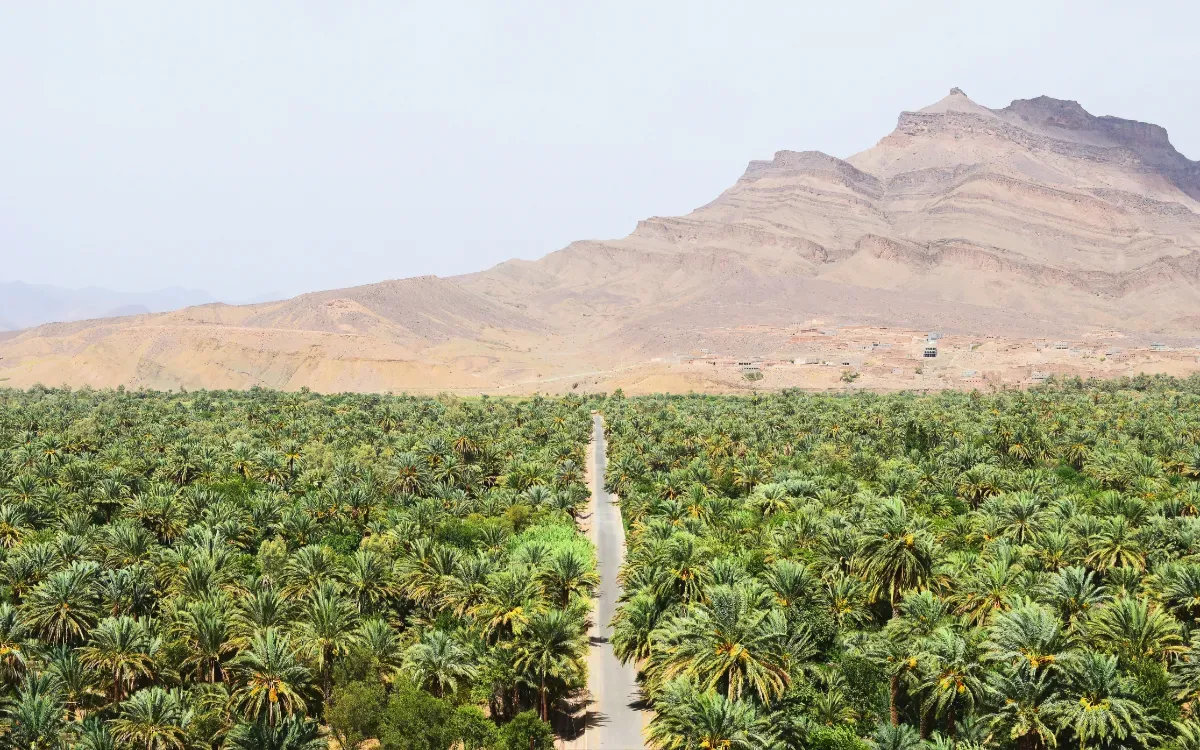
As both Morocco and Algeria grapple with significant water stress, the situation in each country reflects starkly different realities. Recent statistics indicate that Algeria has access to only one-third of the renewable freshwater resources per capita compared to Morocco. In Morocco, nearly 90% of the water extracted is utilized for agricultural purposes, highlighting the country's reliance on farming as a primary consumer of water resources.
According to the latest comparable data from the World Bank, derived from the FAO's AQUASTAT database, Morocco's renewable internal freshwater resources amounted to approximately 777 cubic meters per capita in 2022, while Algeria lagged significantly behind at just 247 cubic meters per capita. This discrepancy illustrates a critical difference in water availability between the two nations.
Moreover, the water stress indicator reveals even more concerning figures, with Morocco at 50.75% and Algeria at a staggering 144.81%. An indicator exceeding 100% does not imply that Algeria consumes non-existent water; rather, it suggests that the country extracts more water than is naturally replenished, particularly from non-renewable aquifers, while also factoring in the ecological requirements of the ecosystems.
Comparative Analysis of Water Resource Management
According to the classification used by UN Water, Algeria is positioned at a critically high level of water stress. In contrast, Morocco's vulnerability lies in its water management practices. The data from the World Bank and FAO illustrates that agriculture accounted for 88% of Morocco's freshwater withdrawals in 2022, compared to 67% in Algeria. This indicates that while Morocco has a higher resource availability, its agricultural sector dominates water usage, leading to potential sustainability issues.
Another critical indicator shows that annual freshwater withdrawals represented 36% of Morocco's renewable internal resources, contrasting sharply with Algeria's 92%. This comparison underscores the unique challenges faced by each country; Algeria is starting from a significantly lower base of renewable resources per capita and faces intense pressure on its natural water stock. In contrast, Morocco's situation is characterized by a greater resource base, but the majority of this water is absorbed by agriculture.
Thus, while both countries face the overarching issue of regional water scarcity, their vulnerabilities are distinctly different. In Algeria, the crisis stems from the extreme scarcity of resources, whereas in Morocco, the focus shifts more towards the efficiency and sustainability of water consumption practices. As water remains a critical resource for both nations, addressing these challenges with tailored strategies will be essential for ensuring long-term water security.
As reported by bladi.net.