
The Political Landscape Post-Elections in Morocco
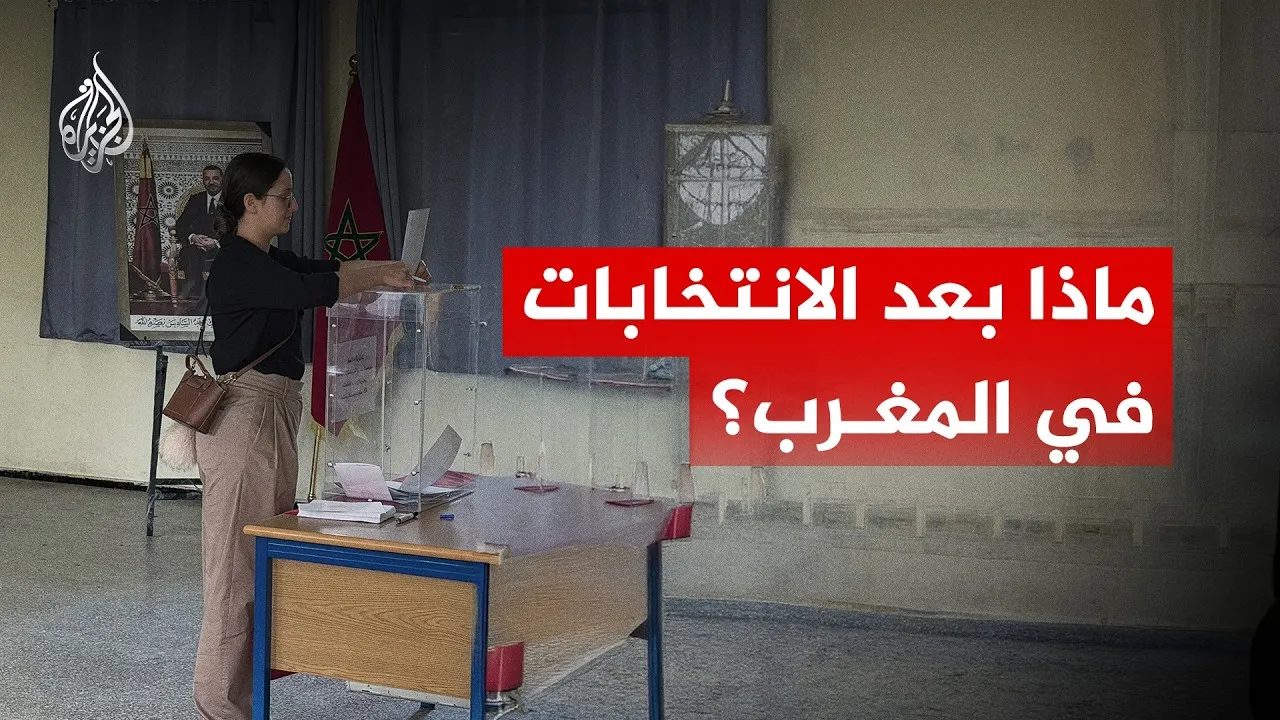
The recent legislative elections in Morocco have concluded, ushering in a new phase in the country's political landscape. With the announcement of the preliminary results, all eyes are now on the formation of the next government. This pivotal moment presents both challenges and opportunities for the political parties involved, particularly as they navigate the complexities of coalition building and governance in a rapidly changing environment. The elections have stirred up a range of emotions among citizens, with many expressing concerns over the integrity of the electoral process and the implications of the results for their daily lives.
As the political parties begin discussions on potential alliances, questions surrounding social issues, economic reforms, and governance will take center stage. Citizens are eager to see how elected officials will address pressing social challenges, which many believe should be prioritized over other matters, such as global events. The outcomes of these elections will undoubtedly shape Morocco's future, influencing everything from local governance to international relations. With a significant segment of the population expressing frustrations about their living conditions, the new government will be under pressure to deliver tangible improvements.
While the political parties prepare to negotiate their roles in the new government, the public is keen to see transparency and accountability in the process. The hope is that the newly formed government will prioritize the needs and voices of the citizens, ensuring that their concerns are adequately addressed in the decision-making process. As Morocco stands at this crossroads, the next steps taken by its leaders will be crucial in determining the country's direction in the coming years, making it imperative for them to act thoughtfully and decisively.
As reported by youtube.com.