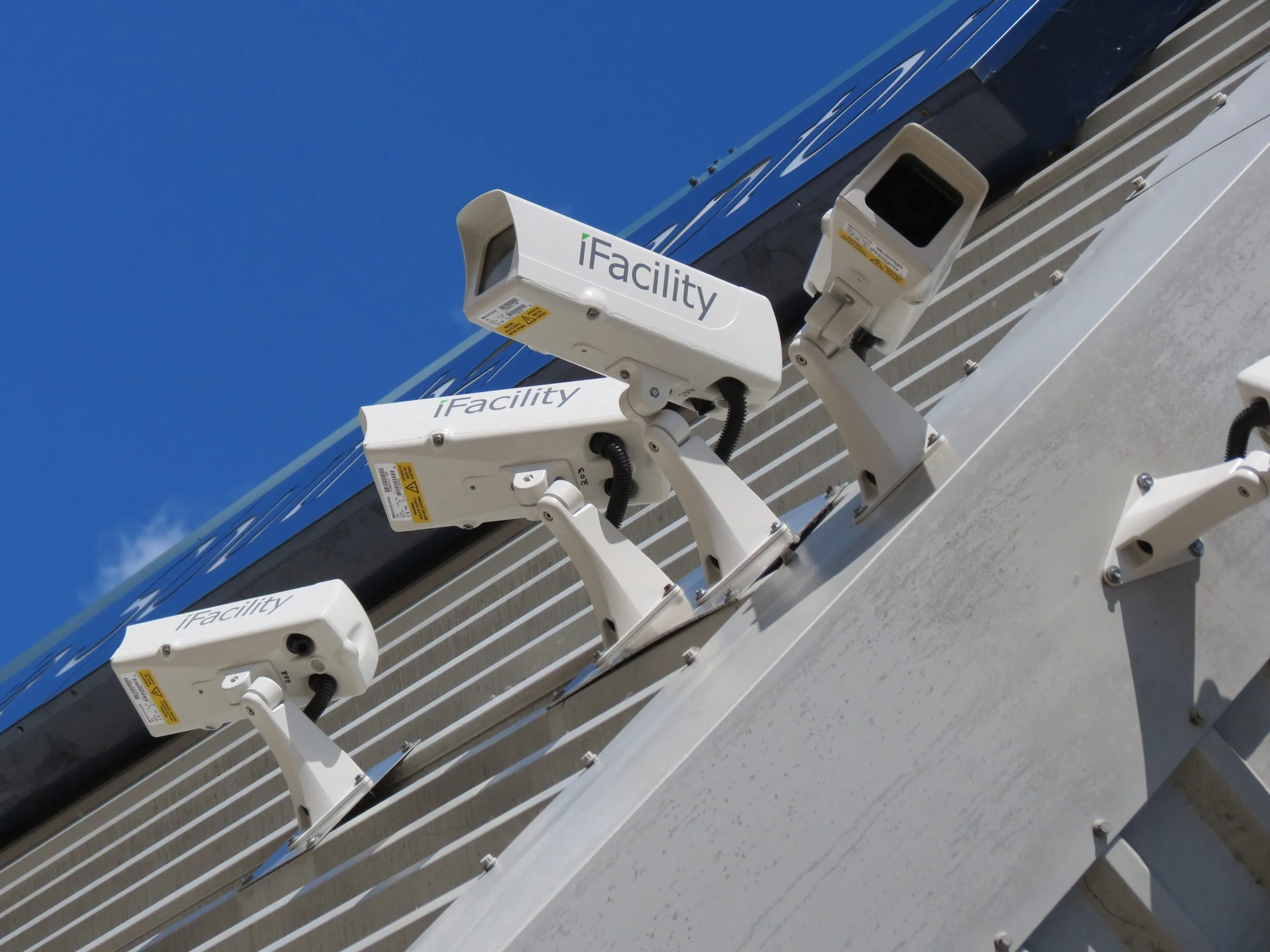

Amnesty International has recently disclosed alarming revelations regarding Morocco's intelligence operations, following the courageous testimony of a whistleblower from within its ranks. The organization reported that a comprehensive surveillance system has been established targeting journalists, activists, and dissidents, effectively silencing free expression in the country. Agnès Callamard, the Secretary General of Amnesty International, emphasized the severity of the situation, stating that Morocco has fully adopted authoritarian technological practices, acquiring an extensive array of surveillance tools designed to instill fear among human rights defenders and obstruct their crucial work both domestically and internationally.
The investigation pointed to the Direction Générale de la Surveillance du Territoire (DGST) as the main entity responsible for implementing the notorious Pegasus spyware within Morocco. This report corroborated prior findings from July 2021, which revealed that the Moroccan government had utilized Pegasus zero-click attacks against a variety of journalists, activists, and human rights advocates. Through meticulous forensic analysis and the whistleblower's insights, Amnesty International confirmed the presence of Pegasus spyware on the devices of numerous individuals identified as targets in the Pegasus Project.
According to the whistleblower, the DGST began deploying the Israeli-engineered Pegasus spyware as early as 2017 to clandestinely monitor the movements of its targets, record their communications, and illicitly collect personal data from their mobile devices. Disturbingly, Amnesty International had previously highlighted reports indicating that DGST agents compelled local mobile phone retailers to sell devices that were preloaded with spyware, a blatant violation of Article 17 of the International Covenant on Civil and Political Rights (ICCPR), which safeguards individuals against arbitrary interference in their privacy.
Furthermore, the whistleblower's testimony revealed that targeted journalists and activists were covertly filmed and audio-recorded within their own homes, hotel rooms, vehicles, and workplaces. The DGST allegedly monitored individuals in various public settings, including coffee shops, where they employed remote-controlled spyware, and utilized diverse tracking methods at airports throughout Morocco. Such invasive practices have drawn criticism from various human rights organizations.
Human Rights Watch has previously condemned the DGST's involvement in orchestrating smear campaigns against dissenters, often by unlawfully acquiring surveillance footage that depicted dissidents in compromising situations, exploiting Morocco’s strict laws against non-marital relations to assassinate their character. The Euro-Med Human Rights Monitor has also denounced the state-sponsored intimidation tactics, asserting that the lack of adequate legal protections has intensified the prevailing climate of fear among dissidents in Morocco.
Moreover, the Carnegie Endowment for International Peace has echoed these concerns, criticizing the Moroccan authorities for fabricating defamation campaigns against former human rights minister Mohamed Ziane, who faced a three-year prison sentence on charges related to “contempt of public officials and justice.” The court’s decision was notably influenced by a video statement in which Ziane publicly criticized the royal palace and senior government officials, further illustrating the extent to which the Moroccan government seeks to suppress dissent through intimidation and surveillance.
As reported by jurist.org.