
OpenAI's Strategic Role in Military Technology
The rapid advancements in technology have positioned artificial intelligence at the forefront of military strategies employed by major nations. As armies worldwide seek to integrate these cutting-edge technologies into both defensive and offensive systems, we are entering a new era of modern warfare. This transition not only reshapes military capabilities but also ignites significant debates regarding the ethical boundaries of deploying such technologies in armed conflicts.
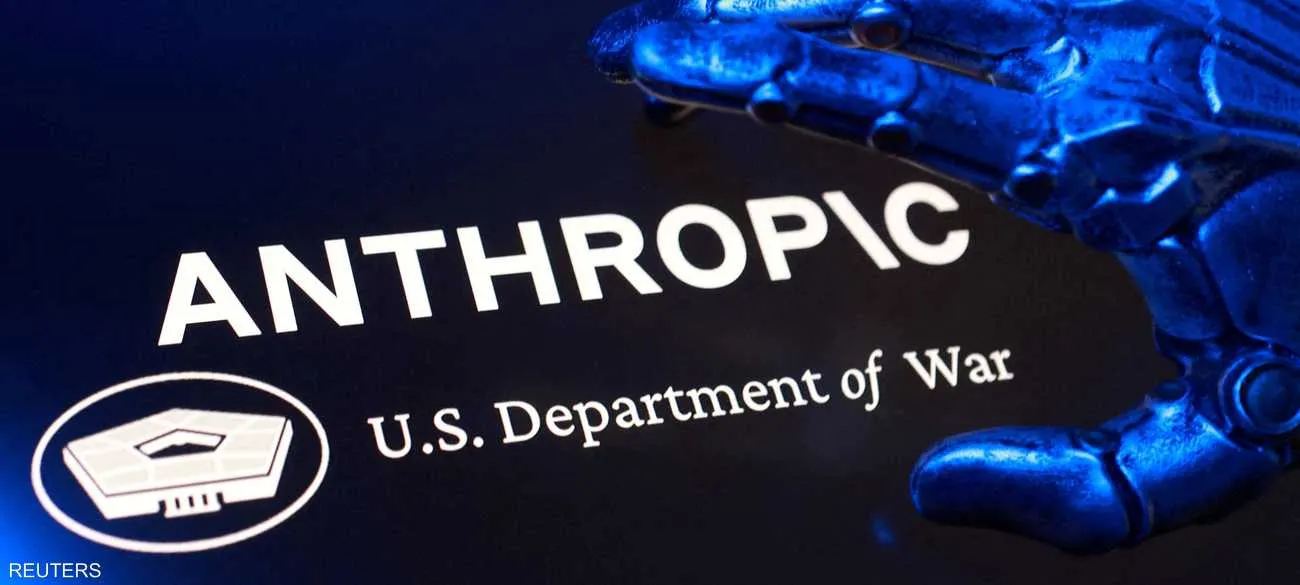
This contentious dialogue has been particularly evident during recent negotiations between the United States Department of Defense, commonly known as the Pentagon, and Anthropic, a leading AI firm. Anthropic attempted to impose specific restrictions on how its technology could be utilized in military applications, a move that was met with resistance from the Pentagon. Subsequently, the U.S. administration announced its decision to blacklist Anthropic, indicating a pivotal shift in the relationship between military demands and tech companies.
The implications of this development are profound, as the Pentagon's rejection of Anthropic's proposed limitations signifies a broader trend of prioritizing operational flexibility and technological supremacy over ethical considerations. As the battle for dominance in AI technology intensifies, the potential for OpenAI to step in as a more compliant alternative to Anthropic raises questions about the future landscape of military AI usage.
As reported by goud.ma.