
Prospects for Peace Between Morocco and Algeria
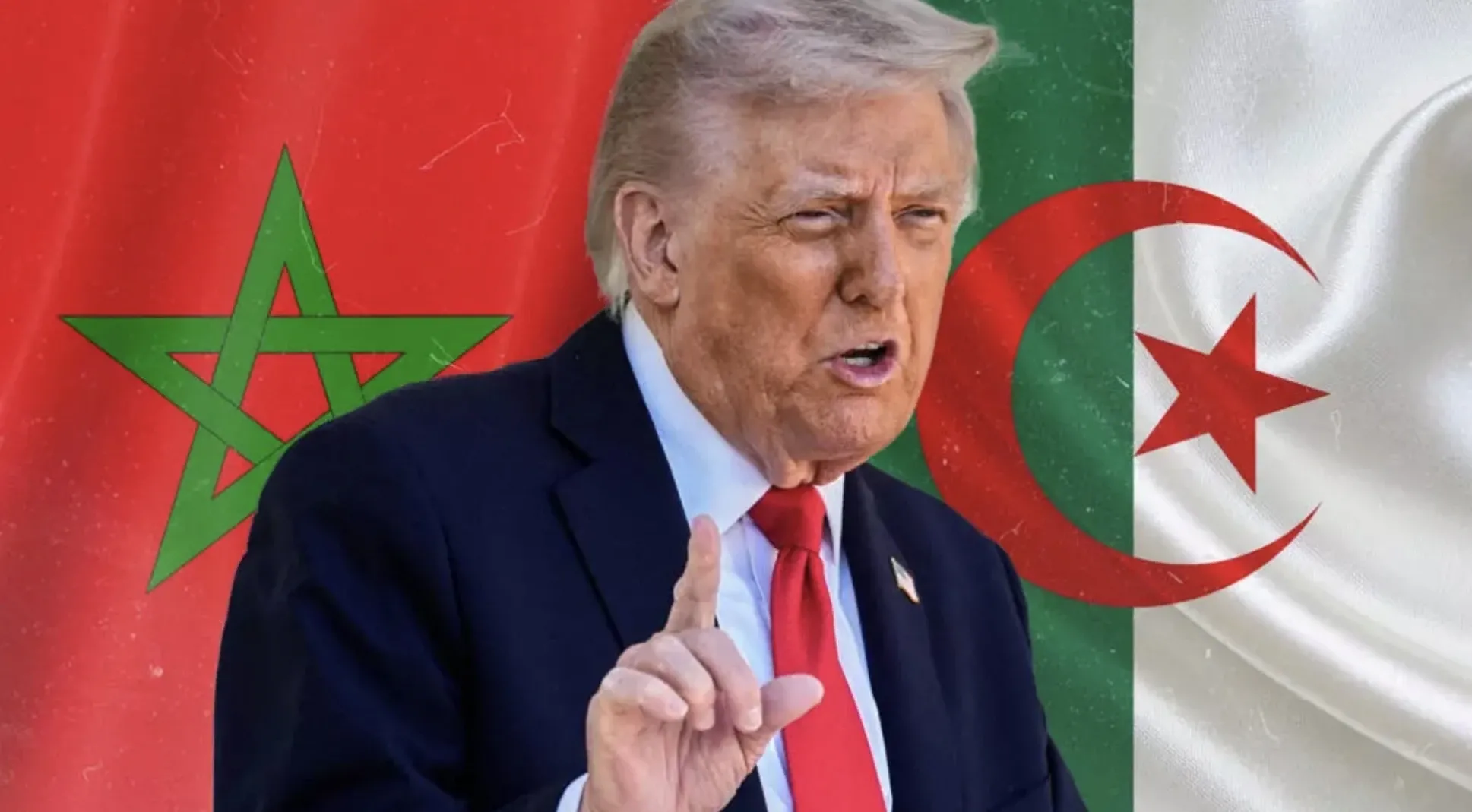
On October 31, the United Nations Security Council approved a pivotal resolution endorsing Morocco's autonomy plan as a primary framework for resolving the Western Sahara conflict. This decision marks a significant diplomatic victory for Morocco, potentially reshaping the power dynamics throughout North Africa. Following this development, the U.S. diplomatic machinery quickly pivoted to leverage this momentum. U.S. Special Envoy Steve Wittekov announced in a televised interview that his team is racing against time to finalize an agreement between Morocco and Algeria. This initiative aligns with President Donald Trump's foreign policy ambitions, which aim to achieve a historic diplomatic success under the banner of "international appeasement."
The implications of such an agreement would not only resonate within the region but would also extend to Europe, particularly impacting Spain directly. A genuine rapprochement between these neighboring countries could pave the way for authentic Maghreb economic integration, significantly alleviating migration pressures towards the European continent. In this context, an analysis published by the Middle East Institute (MEI) suggests that this reconciliation might also lead to broader energy cooperation and more effective coordination in countering terrorism in the troubled Sahel region.
The historical rivalry between Morocco and Algeria has its roots in the post-independence era, marked by a brief border war in 1963. Since then, their political systems have diverged into two contrasting visions; Morocco has maintained a pro-Western, free-trade-oriented approach, while Algeria has traditionally been wary of its neighbor's alliances. Recent rapprochement between Morocco and Israel has heightened Algeria's sense of threat, prompting the Algerian government to approve a substantial defense budget of $25 billion for 2025, significantly exceeding Morocco's military expenditures. This reflects a clear escalation of tensions in the region.
This financial package includes the acquisition of advanced Russian stealth fighters (Su-57 and Su-35) along with Iskander-M missiles and sophisticated radar systems. Although neither country desires an open military conflict, both are indeed preparing for potential worst-case scenarios, presenting a genuine "security dilemma" that any peace agreement would need to address.
The current geopolitical landscape positions Morocco advantageously. The U.S. recognition of Moroccan sovereignty over Western Sahara in 2020 has triggered a cascading effect, garnering explicit support from Spain, France, and Britain for Morocco's autonomy plan. In light of this diplomatic momentum, Algeria and the Polisario Front have found themselves in a clearly weakened strategic position.
In recent years, Algeria's stance has been predominantly reactive, focusing on curtailing Morocco's rising regional influence. It is now evident that any successful negotiations led by Washington will require a dignified exit strategy for Algeria. Experts suggest that the proposed incentives should center around modernizing the Algerian economy and attracting direct foreign investments, thereby fostering a more stable and cooperative environment in the region.
As reported by akhbarona.com.