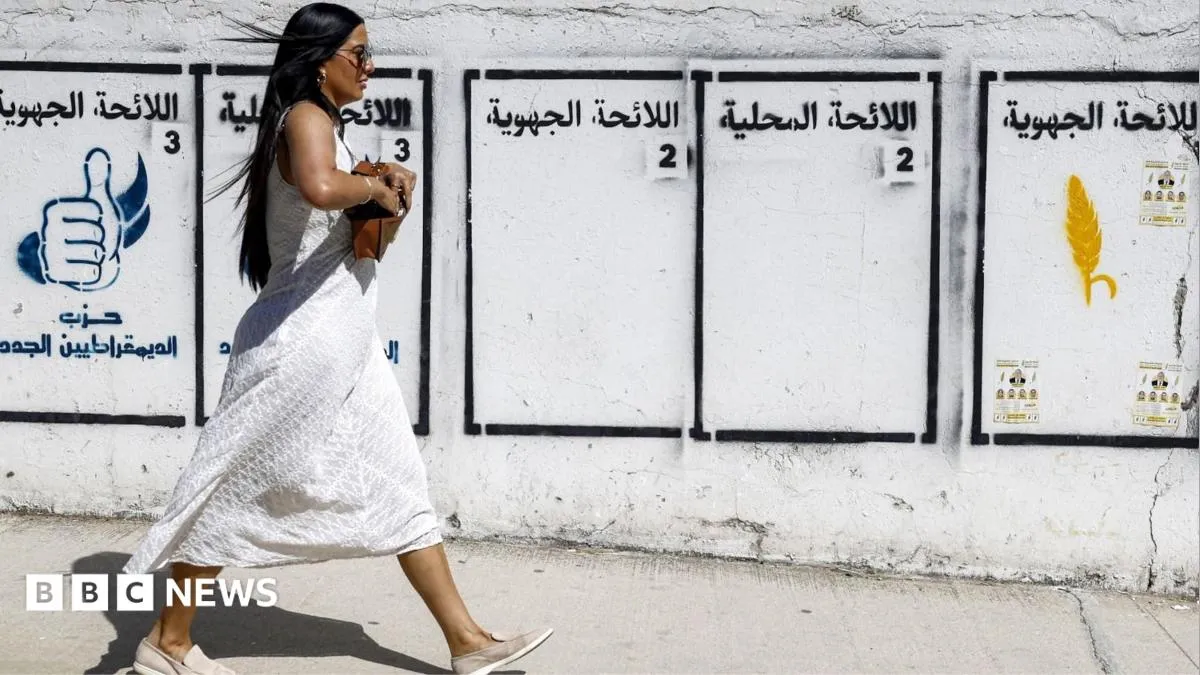

In the lead-up to Morocco's parliamentary elections, disillusioned young voters have found themselves inundated with viral football slogans, ambitious promises of creating one million jobs, and fervent anti-Israel rhetoric. However, many young Moroccans express a pervasive sense of disconnect between political discourse and the realities they face in their daily lives. "I have no hope for this election. I'm ashamed of our political scene. It's a complete circus," laments Siham Azeroual, a 32-year-old environmental activist residing in the Atlas region. This skepticism is rooted in a broader context where the outcome of the elections is poised to shape the next government, particularly following a recent surge of migration attempts, where over 60,000 individuals risked their lives crossing from Morocco to the Spanish enclave of Ceuta, highlighting the dire lack of opportunities for the youth in the country.
Morocco is a constitutional monarchy where political parties vie for 395 seats in the House of Representatives, the legislative body. Despite this electoral competition, real executive power remains closely tied to the monarchy. King Mohammed VI, now 63 years old, appoints the prime minister from the winning political party while also presiding over the Council of Ministers, which is the primary policymaking entity in the nation. The current political climate has been further complicated by a wave of protests led by Gen Z activists in September 2025, driven by frustrations over unemployment, healthcare issues, and soaring living costs. Protesters have chanted demands for "freedom, dignity, and social justice," escalating into calls for the resignation of Prime Minister Aziz Akhannouch, with over 2,400 individuals facing prosecution in the aftermath of the unrest.
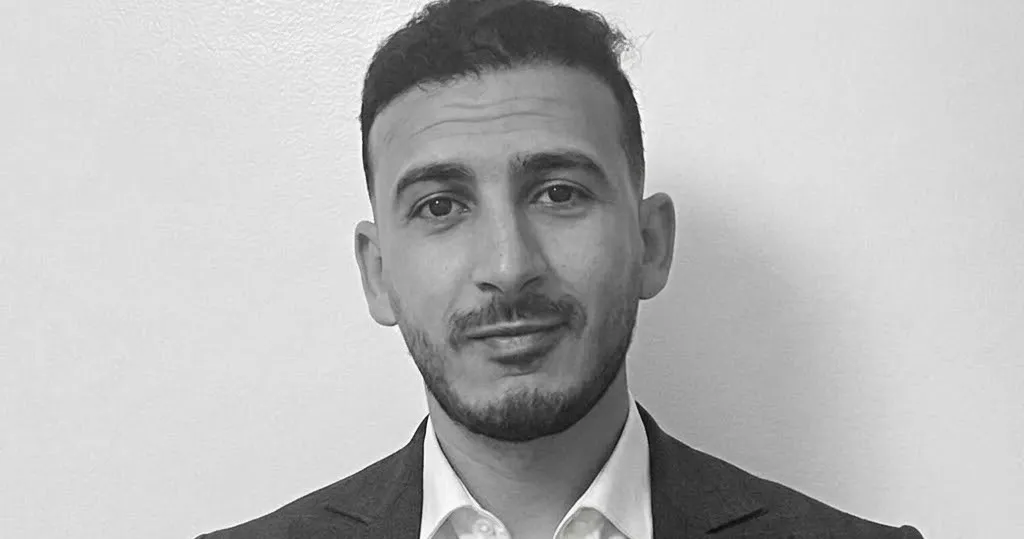
Amidst this backdrop of political discontent, some young activists are taking a leap into the political sphere. Hamza El Kharroubi, a 29-year-old who faced brief arrest during the protests, is now running for parliament with the Environment and Sustainable Development Party, a relatively obscure party advocating for green policies. "As a young person, I don't have much hope. I joined this party because they wanted more Gen Z faces and they are allowing us to speak freely about our demands," El Kharroubi states. Originating from Tetouan, located just 34 kilometers from Fnideq beach—the starting point for the recent migration wave—he emphasizes the need for justice for the families of those who perished during the crossing, attributing the migration surge to economic hardship and rampant unemployment.
The International Monetary Fund (IMF) reported an overall unemployment rate of 13% last year, with youth unemployment among those aged 15 to 24 soaring to 37.3%. El Kharroubi's ambition is not merely to contend against established political heavyweights but also to establish a foothold in parliament, paving the way for a new generation of politicians by the year 2031. He believes that young voices must be represented to foster meaningful change in Morocco's political landscape.
Another significant figure emerging in the political arena is Fouzi Lekjaa, the head of the Royal Moroccan Football Federation and a high-ranking official in the finance ministry. He has rapidly garnered popularity, credited with elevating Morocco's national football team—the Atlas Lions—to international acclaim. Lekjaa, who recently joined the centrist Party of Authenticity and Modernity (Pam), has seen his campaign videos go viral, particularly among the football-loving populace as Morocco prepares to co-host the next World Cup alongside Spain and Portugal. His campaign promises include elevating Morocco's ranking in education and healthcare to match the success of its football team, presenting a unique blend of sports and political ambition.
Meanwhile, the current ruling party, the National Rally of Independents (RNI), led by Prime Minister Akhannouch, is vying for a second term with renewed promises of creating one million jobs by 2031. Despite the appealing slogans, political analysts like Rachid Aourraz from the Moroccan Institute for Policy Analysis express skepticism about the feasibility of such promises, suggesting that they have become clichéd without a substantial plan for sustainable job creation.
The Islamist Justice and Development Party (PJD) is also attempting to regain political ground by capitalizing on anti-Israeli sentiments, positioning itself against the normalization of relations with Israel established in December 2020. Led by former Prime Minister Abdelilah Benkirane, the PJD is campaigning on a platform that emphasizes the need to sever diplomatic ties with Israel, arguing that the normalization was a major error. Their rhetoric resonates with many Moroccans, especially in light of the recent Gaza conflict, which sparked widespread protests in the capital, Rabat. Benkirane has rallied his supporters, asserting that if they work diligently, the king might reconsider the Israeli embassy's presence in Morocco.
Despite the prevailing political disillusionment, young voices like Azeroual's call for a grassroots approach to societal change. With over half of Morocco's population under 35, yet only a small fraction of registered voters within the 18 to 24 age group, the youth's engagement in politics remains crucial. "I am not keeping up much with the campaigns—it's the same faces as usual," reflects Hiba, a 27-year-old Moroccan expatriate in Canada. Many young Moroccans living abroad have expressed their frustrations through protests, a stark contrast to the limited avenues for expression within their home country. Hiba acknowledges the progress made through last year's Gen Z protests, noting an increase in discussions featuring young voices on state media.
In conclusion, while the upcoming elections present an opportunity for change, the path forward remains fraught with challenges. Activists like Siham Azeroual advocate for a community-focused approach, emphasizing the importance of building connections and addressing local issues before aspiring for higher political office. Despite the pervasive skepticism surrounding the electoral process, many young Moroccans plan to exercise their right to vote, signaling a desire for engagement and transformation in the political landscape of Morocco.
As reported by bbc.co.uk.