A recent electrical engineering graduate from Salé, near Rabat, is struggling to secure internships that could eventually lead to employment, a plight shared by nearly all of his classmates. In a moment of despair, he expressed to AFP, "I don't think there is any party capable of creating jobs for the youth." This sentiment underscores a growing concern among young Moroccans as they prepare for the upcoming elections, where nearly 16 million voters will select 395 members of the House of Representatives. This election marks the first step toward forming a new government for the next five years.
The youth demographic constitutes a small segment of the electoral base, with only 15% of registered voters aged between 25 and 34, and a mere 4% aged 18 to 24. This distribution partially reflects the country's demographic structure. In a public park in central Tangier, Zoubaida, a 34-year-old mother, also emphasizes the need for the future government to prioritize employment alongside housing. However, she anticipates disappointment, stating, like many others, that she does not believe in the promises made by political parties.
Massive Unemployment and Social Disparities
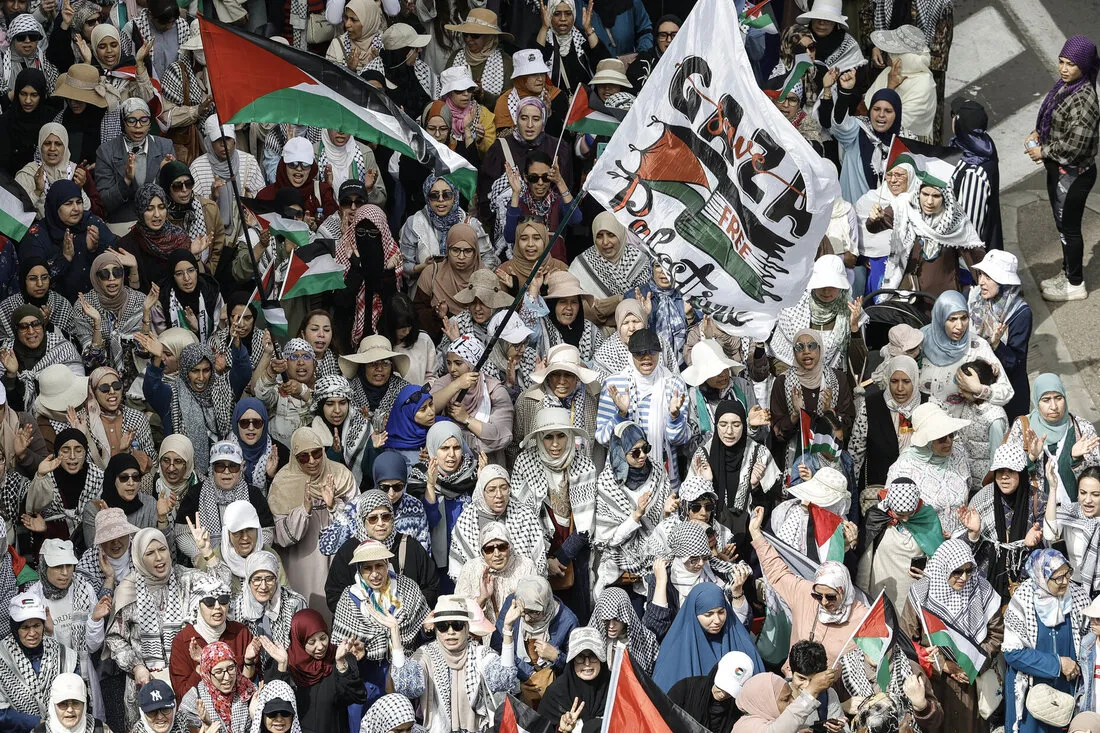
Despite the active participation of young Moroccans in protests—such as the GenZ 212 movement that emerged on social media last year, highlighting failures in public health and education systems—their grievances remain largely unaddressed. Haitam Arakchou, a 28-year-old resident of Salé, recalls the tragic deaths of pregnant women in an Agadir hospital, which significantly shaped the movement's narrative. Driven by a desire for change, he is determined about his voting choice and urges his fellow citizens to head to the polls and select the party that resonates with them. His hopes are for the new government to enhance social conditions and raise the minimum wage.
Official statistics reveal that, despite a robust growth rate of 5% projected for 2025, the unemployment rate stands at 13%. Furthermore, social and territorial inequalities remain pressing issues in Morocco, leading to mass attempts by young Moroccans to reach the Spanish enclave of Ceuta, highlighting their bleak outlook for the future.
Restoring Trust in Politics
When asked about the recent events in Ceuta, Zoubaida, who juggles various low-paying jobs, stated she would not hesitate to attempt the crossing if given the opportunity. Former Prime Minister Abdelilah Benkirane of the opposition Justice and Development Party (PJD) labeled the exodus of thousands of Moroccans to Spain as a "major scandal" during a meeting. Nonetheless, this crisis has not been a focal point in the electoral campaign.
Mohamed Chiker, a political scientist, notes that these elections present two critical challenges: to restore the trust of voters, especially the youth, in the political landscape, and to bring forth a clean and principled elite. The disillusionment felt by a portion of the youth starkly contrasts with the efforts by political parties, who are actively campaigning through traditional rallies and social media outreach. Many candidates, however, focus on personal connections and direct engagement with constituents, often overshadowing their party's political rhetoric.
As reported by france24.com.