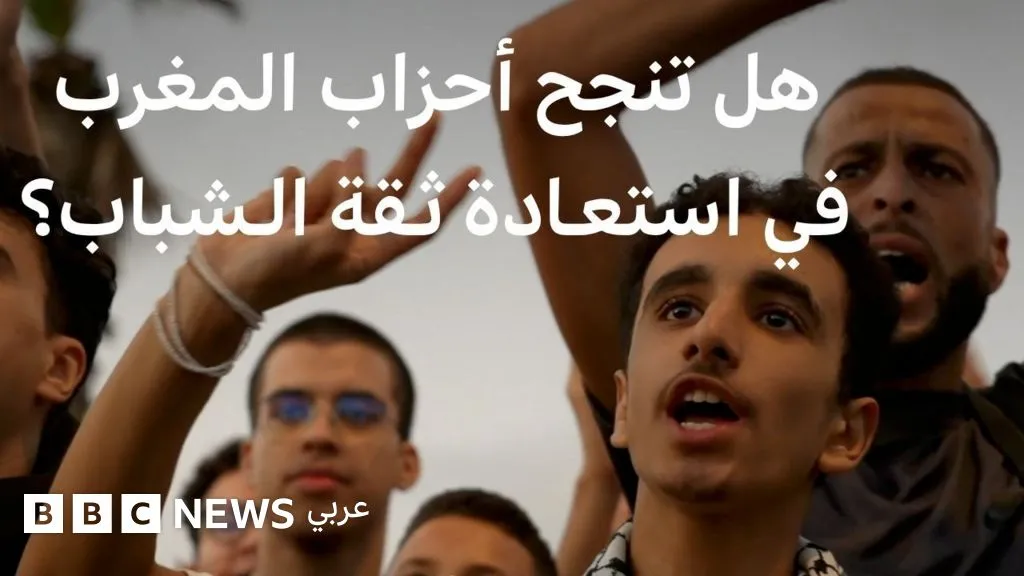

The significant surge in the emigration of young Moroccans in July highlighted the dire state of education, the lack of job opportunities for the youth, and pervasive social inequality within the North African nation. Approximately 70,000 individuals undertook perilous journeys across the sea to reach the Spanish enclave of Ceuta, with many tragically losing their lives during the attempt. Those who successfully arrived often returned to Morocco just hours later, primarily on foot, further underscoring the desperation and futility of their efforts.
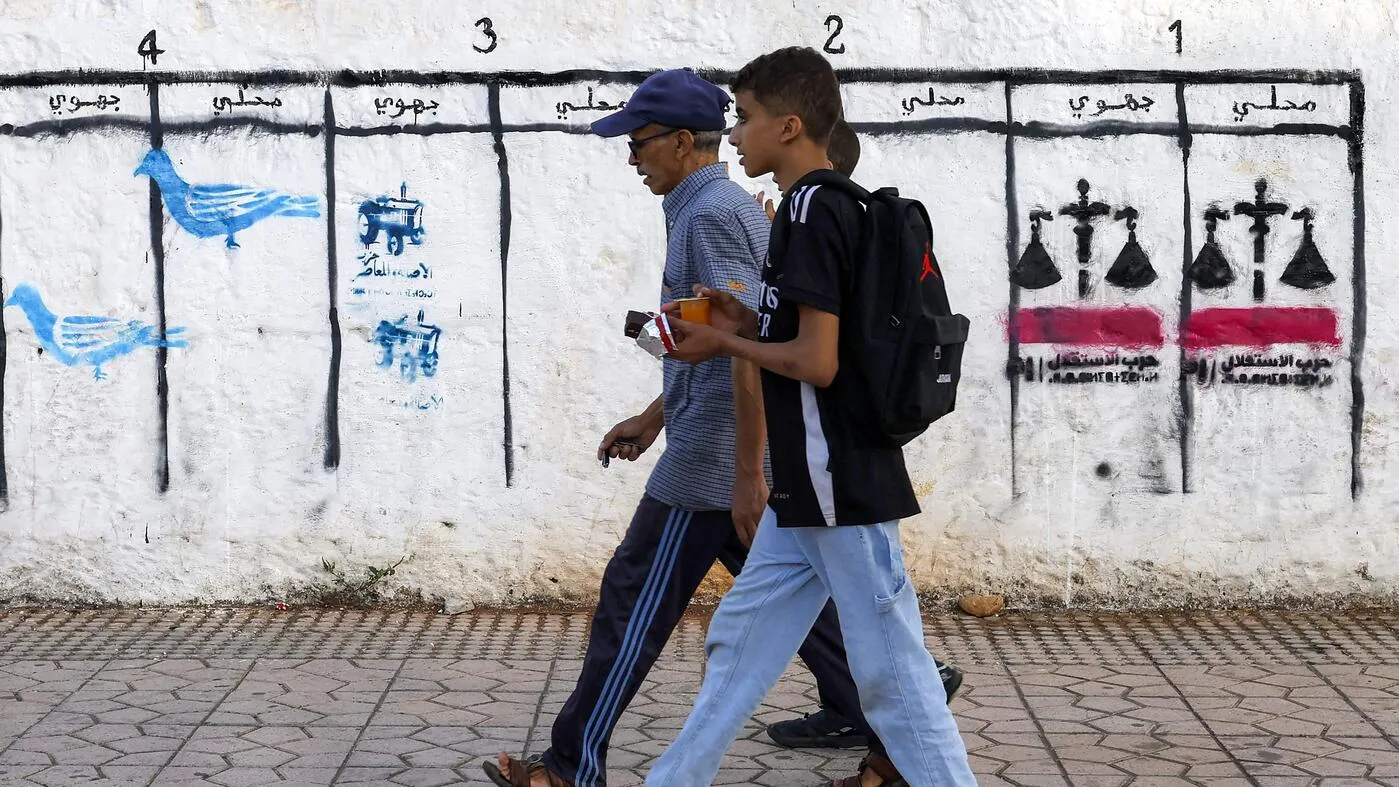
On September 23, parliamentary elections are set to take place in Morocco, providing a platform for citizens to express their grievances regarding the lack of prospects and possibly instigate change. Notably, a staggering 35% of voters are under the age of 35, yet many are expected to abstain from participating in the electoral process. Alarmingly, only 19% of eligible voters in the 18 to 34 age group are registered, with a mere 4% of those aged 18 to 24 on the voter rolls.
This disinterest is not surprising to French historian and North Africa expert Pierre Vermeren, who asserts that elections hold little sway over the economic and social fabric of the country, as real power remains firmly in the hands of the palace. Vermeren describes the monarchy as a 'black box,' where critical decisions are made by the king, his family, close associates, and the royal cabinet, leaving citizens feeling disillusioned and powerless. King Mohammed VI himself describes Morocco's political system as an 'executive monarchy,' while the Federal Ministry for Economic Cooperation refers to it as a 'monarchy with democratic elements.'
The Monarchy's Grip on Power
Although the king is required to appoint the strongest parliamentary faction to form a government following the constitutional reform of 2011—an attempt to quell youth unrest during the Arab Spring—no significant efforts have been made to transition away from authoritarian rule. The king controls the political agenda, has the authority to dissolve parliament, appoints key ministers, oversees the judiciary, commands the military, and is considered the spiritual leader of the nation. Furthermore, he is the most powerful businessman in Morocco, having substantial control over a significant portion of the economy through an intricate web of holdings.
In light of the institutional weaknesses of both parliament and government, the youth have repeatedly taken to the streets since 2011 to voice their demands or organized unconventional campaigns on social media. In 2025, Generation Z engaged in mass protests advocating for educational reforms and improved healthcare, reminiscent of the Hirak movement in the Rif region, which historically suffers from economic and social neglect. Nationwide demonstrations led by the collective Gen Z 212 also called for better hospitals, educational reforms, and a reduction in corruption. However, dissenters and political activists face relentless persecution in Morocco, with thousands arrested for expressing their political demands.
Political Disenchantment and the Future
As Vermeren notes, the recent crackdowns on youth protests have effectively communicated to young Moroccans and their families that advocating for political change is futile. For many, the decision to emigrate has become the most rational choice in hopes of a better future. Despite King Mohammed VI’s repeated emphasis on youth in his speeches since the 2000s, there has been little substantial change. The public education system remains stagnant, and the recent abolition of a quota reserving 30 parliamentary seats for candidates under 40 has raised further concerns about the political representation of youth.
The lack of meaningful educational reform has dire implications for graduates, who find themselves ill-equipped for the job market. Vermeren notes that structural problems within the education system have persisted for decades, leaving young graduates with limited career prospects. Furthermore, political parties show little differentiation in their platforms, primarily engaging in power redistribution within the elite, rather than addressing the pressing issues that affect everyday Moroccans.
In light of these realities, it is unsurprising that the youth, alongside a broader decline in voter registration—amounting to 1.7 million fewer registered voters compared to 2021—are choosing to ignore the parliamentary elections. For many, the prospect of emigration remains the most promising avenue for improvement in their socioeconomic conditions.
As reported by tagesspiegel.de.