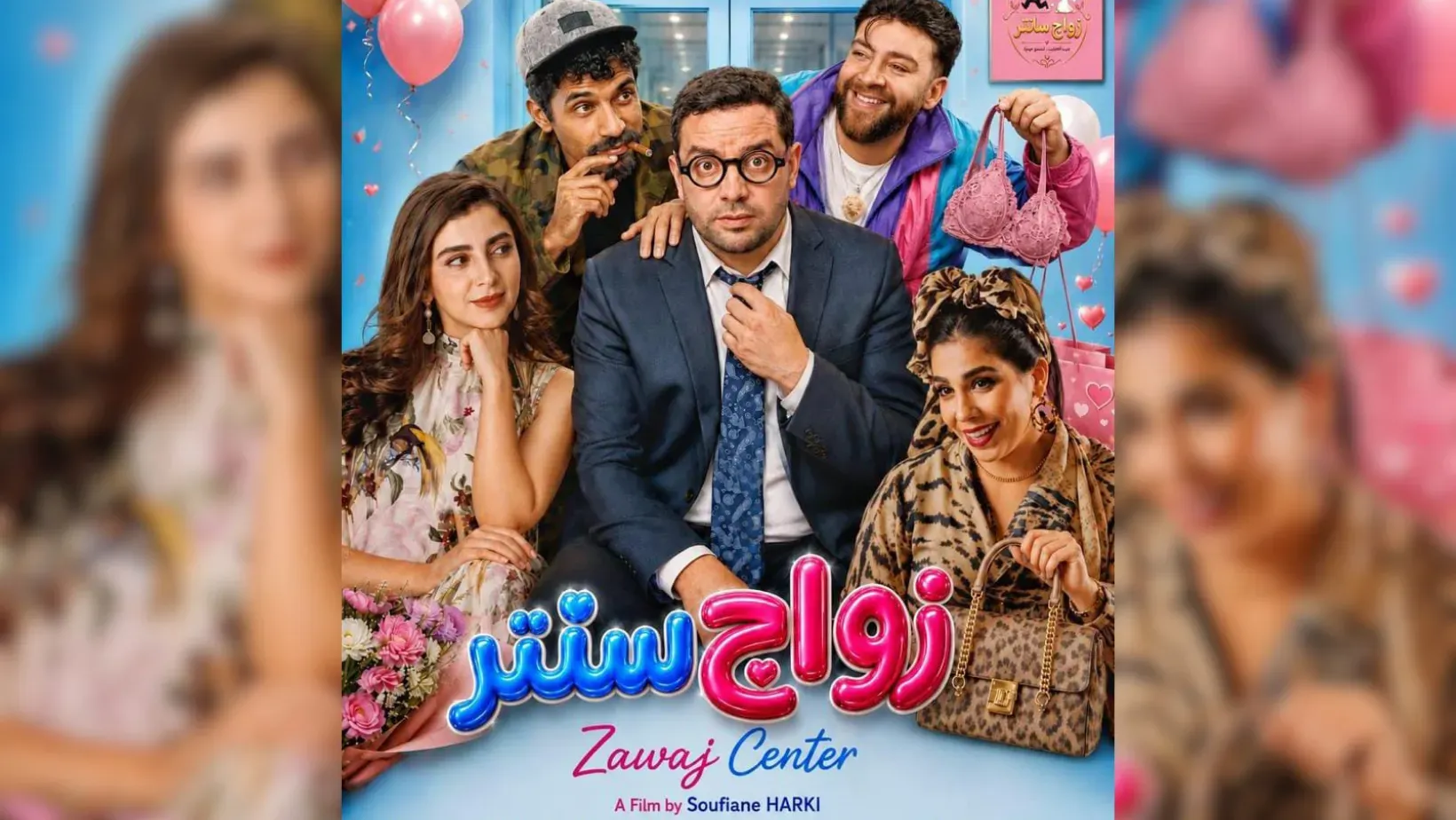

Premiere Night at Megarama: A New Hope for Moroccan Cinema
On the grand stage of Megarama in Casablanca, the premiere of Zawaj Center, directed by Soufiane Harki, felt like one of those moments where Moroccan cinema holds its breath in anticipation. The auditorium was packed with familiar faces—directors, producers, actors, and journalists—all sharing a collective hope that a local comedy could still manage to surprise us. On Monday, September 21, 2026, I found myself waiting for the reopening of theaters, eager for a production that, on paper, checks all the boxes for family entertainment. The premise was simple, the cast comprised of well-known actors, and the release date strategically chosen. Once the credits rolled, there was a palpable sense of having watched a film that does not aim to revolutionize Moroccan cinema but confidently embraces its own ambition: to entertain and make us laugh, without pretension, utilizing the resources at hand.
A Heartfelt Narrative with Relatable Characters
Zawaj Center tells the story of Younes, a dreamer whose mother has decided to arrange his marriage to his cousin. In a bid to escape this predetermined fate, he concocts a lie, claiming he already has a fiancée. The twist? He must now find this imaginary partner. With the help of his two friends—Tarik, a women's clothing salesman, and Pedro, a professional unemployed individual—Younes embarks on a quest that leads him straight to the Zawaj Center, a matchmaking venue where the most absurd encounters unfold.
What strikes you first is the sincerity of the project. Soufiane Harki, as the director, and Anas Harki, in the production role, do not attempt to mimic Hollywood comedies or Turkish series. Instead, they draw from the rich social fabric of Moroccan life, tackling themes such as familial pressure, the weight of traditions, and the challenges of finding a partner in a rapidly evolving society. The film does not ridicule arranged marriages; rather, it humorously explores the situations that arise from them—a crucial distinction that often makes the film endearing.
One of the film's significant strengths lies in its casting. The ensemble cast, featuring Nacer Akbab, Nada Haddaoui, Mourad Hmimou, Nabil Mansouri, Hasna Temtaoui, Abdelghani Snak, Wahiba Bouya, and Mounia Laouassif, forms a cohesive unit, each contributing their dose of humor and humanity. No role is exaggerated; even the most unlikable characters are granted moments of vulnerability. While we may laugh at their mistakes, we ultimately develop an attachment to their flaws.
The film delves into various themes, including the lottery and financial loss, infidelity after years of relationships, the taboo of men selling women's lingerie, and the complexities of arranged marriages that can sometimes work. Most importantly, it highlights the kindness of our mothers, who always wish to see us happy. These small touches of truth impart depth and humor to the film.
However, the pacing is where the film struggles. As it juggles a series of misunderstandings and disastrous dates, it begins to lose momentum. Some scenes drag on, while others feel rushed. At times, the script's attempt to incorporate every gag undermines the emotional weight of the story. Moreover, there’s a lingering sense of déjà vu; the theme of finding a partner through a dating agency is not new to Moroccan cinema. Previous works like Kenbghik.ma explored this with a vibrancy and freshness that Zawaj Center sometimes lacks. Nonetheless, the film earns its place in the cinematic landscape. In a Moroccan film industry still searching for its balance between entertainment and artistic ambition, that alone is a victory.
As reported by maroc-hebdo.com.