Luiz Inácio Lula da Silva Secures Re-election in Brazil
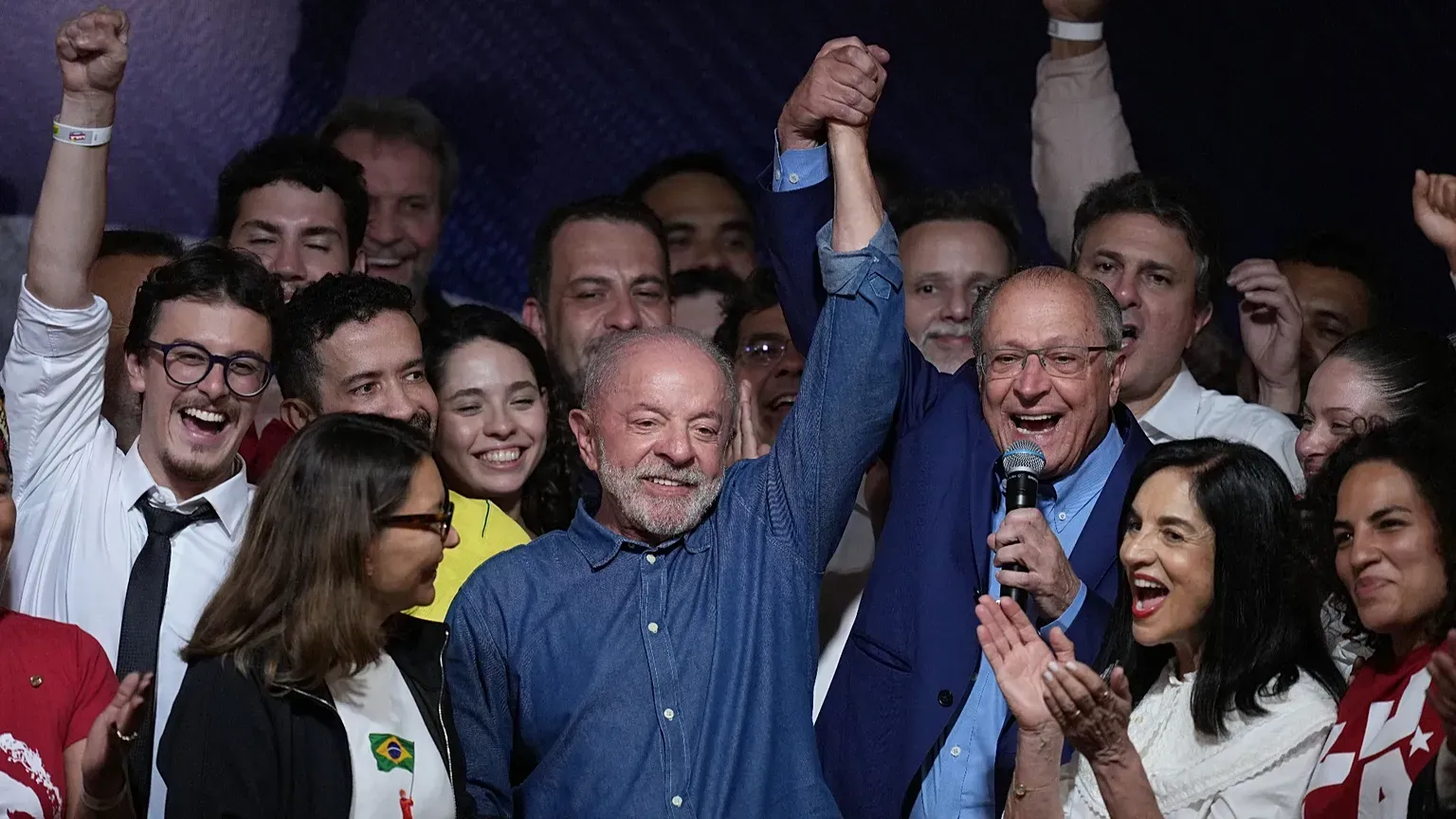
In a significant political development for Brazil, Luiz Inácio Lula da Silva, the longstanding leader of the Brazilian left, has been re-elected as the President for a fourth term, marking a pivotal moment in the country's political landscape. The election, held on October 25, 2026, saw Lula triumph with 51.75% of the valid votes, while his opponent, Flávio Bolsonaro, secured 48.25%. This victory comes as Lula continues to helm the largest economy in Latin America, further solidifying his influence in Brazilian politics.
The results, announced by the Superior Electoral Tribunal (TSE), reflect a close race, with Lula winning by a margin of just 3.5 percentage points, based on the counting of 99.32% of ballots. This election not only marks Lula's return to power but also signifies a setback for the conservative candidate, Flávio Bolsonaro, who is the eldest son of former President Jair Bolsonaro, who served from 2019 to 2022 but was unable to run due to a 27-year prison sentence for an attempted coup.
With nearly 160 million eligible voters in Brazil, the electoral participation rate was notably high at 80.80%, a testament to the mandatory voting laws in place. However, despite this electoral success, Lula faces substantial challenges ahead. The recent congressional elections have resulted in a significant conservative lean in the Brazilian parliament, with the Liberal Party (PL) emerging as the dominant force in both chambers. The PL has increased its representation dramatically, going from 99 seats in the Chamber of Deputies to 121, and securing 19 out of 54 Senate seats.
This shift in the parliamentary balance will likely complicate Lula's governance, as he will need to navigate a more conservative landscape. Key legislative efforts, including a proposed amnesty law for Jair Bolsonaro and the confirmation of four crucial appointments to the Supreme Court, will depend heavily on the support of this new majority. As Lula embarks on his new term from 2027 to 2030, the interplay between his administration and the conservative-dominated congress will be closely observed, as it could shape the future of Brazil's political and economic trajectory.
As reported by maroc-hebdo.com.