Restoration Plans for Moulay Rachid Park in Marrakech
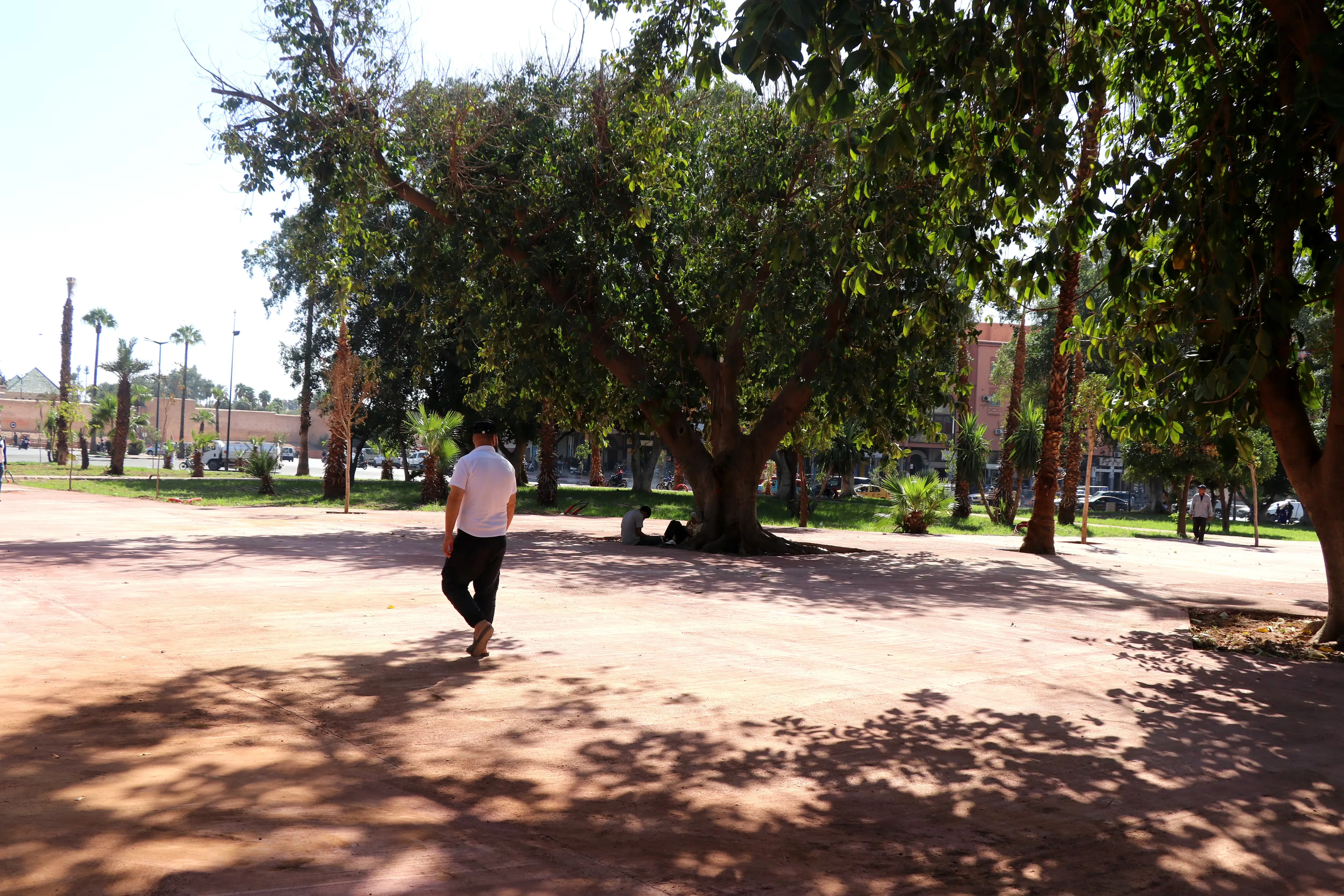
The Moulay Rachid Park, located near the historic Bab Doukkala square in Marrakech, is on the verge of regaining its status as a vital urban oasis and public space for both residents and visitors. This restoration is part of a comprehensive project aimed at rehabilitating this essential area of the city, particularly following the relocation of the old bus station to its new site in the Al-Azizia district. This initiative marks a significant step in the reorganization of the urban landscape surrounding Bab Doukkala, addressing the longstanding issues of disorder that have characterized the area for years and enhancing the aesthetic appeal of one of the city's historic entrances. The project focuses on increasing green spaces and improving the conditions for public space usage.
Enhancing Safety and Environmental Sustainability
The importance of revitalizing the Moulay Rachid Park extends beyond mere aesthetics and landscaping; it also aims to enhance safety and comfort within the park. The reorganization of the vegetation and the opening up of sightlines are part of the rehabilitation efforts designed to reduce isolated corners that previously hindered the comfortable use of the park. This improvement facilitates a more welcoming environment for families, women, and children, ensuring they can enjoy the park in a more suitable setting. The preservation of mature trees is particularly significant within this project due to their environmental and aesthetic value, as well as their role in shaping the visual identity of the area. These natural resources provide shade and help moderate the local climate, contributing to improved air quality and biodiversity within the urban fabric.
This restoration project is part of a broader initiative covering nearly seven hectares, which includes the surroundings of the old wholesale market and adjacent spaces. The vision behind this project is to create a comprehensive transformation in the area, involving the development of thematic gardens, squares, and pedestrian pathways, as well as the installation of modern urban furniture. Additionally, the project includes the establishment of neighborhood sports fields to promote physical activity and enhance the location's appeal for various age groups.
Furthermore, the project plans to introduce an underground parking facility with a capacity for 1,500 vehicles, alongside designated spaces for horse-drawn carriages. This effort aims to organize traffic flow and alleviate congestion in the area, considering its strategic location at the entrance to the old medina. One of the project's key goals is to integrate environmental considerations into the management of green spaces by implementing automated irrigation systems using treated wastewater. This approach is designed to optimize water consumption and preserve vegetation amidst the growing challenges of climate change and water scarcity.
The initiative aligns with ongoing efforts to enhance urban sustainability in Marrakech, targeting the year 2028. The aim is to establish spaces that combine environmental, social, and aesthetic functions while addressing the city's increasing needs for recreation, mobility, and improved living conditions. However, the success of this transformation hinges not only on construction and infrastructure but also on effective management, regular maintenance, and community involvement in protecting public facilities and maintaining cleanliness in the park and its botanical components. The sustainability of green spaces is a shared responsibility that intertwines the efforts of institutions with the awareness of the community.
As the Moulay Rachid Park strives to restore urban beauty, preserve natural assets, and enhance public space usability, it aspires to become a model for an environmental retreat that reclaims its significance in the lives of Marrakechis, breathing new life into the Bab Doukkala area by merging the memory of the place with the demands of modern urban living.
As reported by ar.le360.ma.