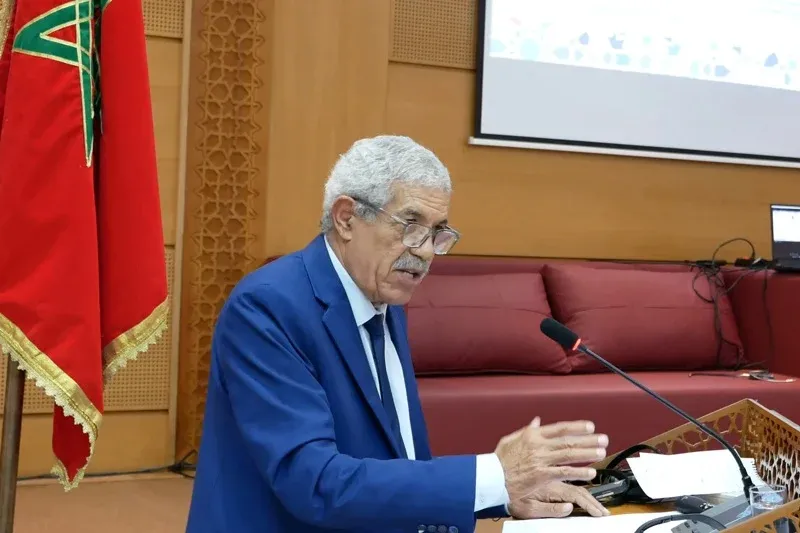
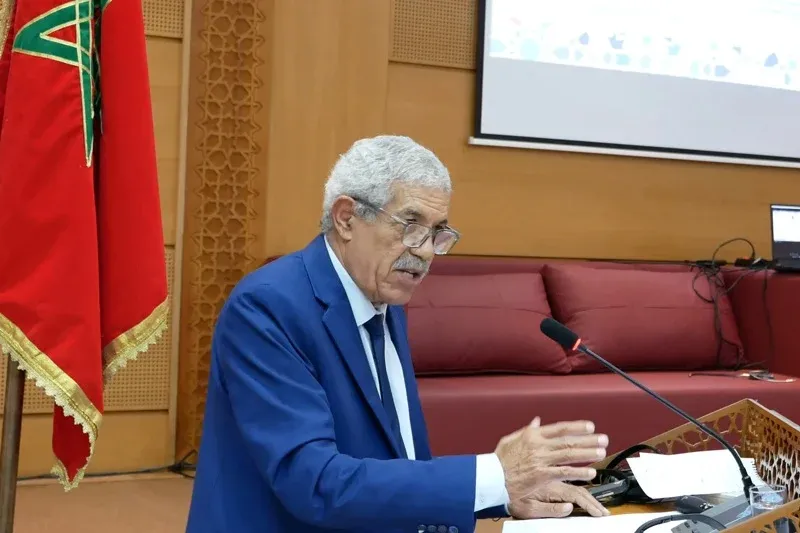
In a recent international conference organized by the International Council on Social Work (ICSW) held in the vibrant city of Marrakech, Morocco, Professor Abdel Latif Henachi, an esteemed professor of contemporary history at the University of Manouba in Tunisia, shed light on the pressing challenges that Tunisian youth are encountering in their quest for economic and social integration. Highlighting the stark reality, he pointed out that the labor market is unable to absorb the youth population effectively, which has resulted in alarming unemployment rates.
According to Professor Henachi, individuals aged between 15 and 34 years comprise approximately 27% of Tunisia's total population. However, this demographic segment faces significant hurdles in achieving economic and social integration, with youth unemployment soaring to an unprecedented 35.4% in 2024. The professor emphasized that the situation is particularly dire for graduates, with unemployment among holders of higher education degrees rising to 26.6% in the first quarter of 2024. This troubling trend suggests that the university degree, once perceived as a vital tool for social mobility and integration in Tunisian society, no longer guarantees economic independence.
Delving deeper into the socio-economic transformations in Tunisia, Professor Henachi noted that the widening gap between the aspirations of young people and the opportunities available to them is a defining characteristic of the current landscape. Today's Tunisian youth are more educated, more connected to the global community, and more aware of lifestyles and opportunities available beyond their borders. Yet, they find themselves confronted with a limited job market, inadequate wages that fail to provide financial independence, and unstable career paths.
In light of these challenges, the phenomenon of migration, particularly irregular migration, emerges as a significant response to the harsh realities faced by Tunisian youth. Over the past five years, more than 150,000 Tunisians have left their homeland in pursuit of better opportunities abroad. While the sheer number reflects a desperate search for a brighter future, it does not capture the diverse motivations driving these young individuals to seek lives outside Tunisia. The social implications of this trend highlight a growing tendency among youth to explore their potential elsewhere.
Professor Henachi elaborated that migration does not necessarily stem from a desire to abandon one's home country. Instead, it often represents a quest for a venue where they can achieve what remains unattainable within their native land. Thus, for a considerable segment of the youth population, migration has become a form of renegotiation concerning their integration conditions.
However, not all young people choose to leave Tunisia. A significant portion is actively seeking to create alternatives within their communities. This has led to the emergence of various forms of freelance work and individual initiatives that may align with the informal economy. The professor also highlighted that the youth protests in Tunisia following the 2011 revolution were not solely tied to traditional political parties and organizations. Instead, they manifested in diverse local and digital forms, demanding acknowledgment and self-validation within society.
Professor Henachi concluded his remarks by noting that the lack of tangible changes resulting from protests might drive some young individuals toward withdrawal and apathy. Yet, he refrained from labeling this as complete political disengagement. He emphasized that the current climate reveals a profound transformation in the concept of participation, where young people are increasingly distancing themselves from traditional institutional frameworks, such as elections and political parties, to express their views and engage through digital platforms.
As reported by hespress.com.