The Struggles of Tunisian Youth in the Job Market
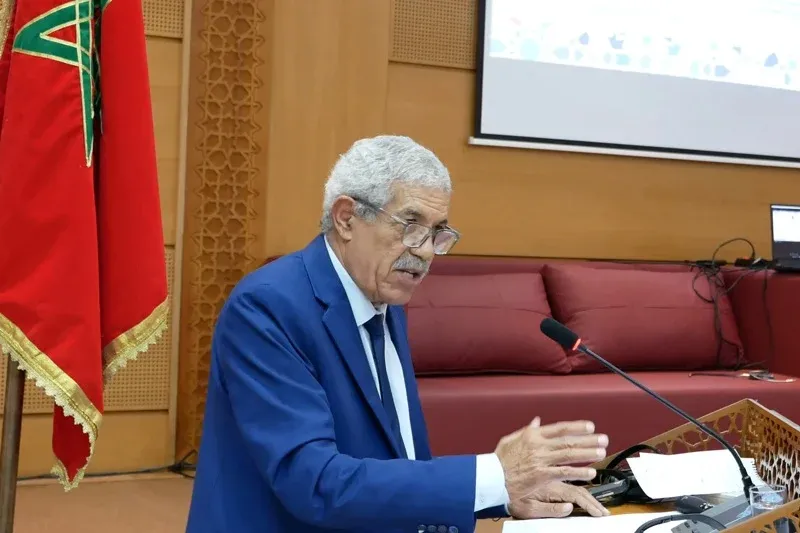
In a recent discourse delivered at an international seminar held in Marrakech, Morocco, by the International Council on Social Work (ICSW), Abdel Latif Henachi, an esteemed professor of contemporary history at the University of Manouba in Tunisia, highlighted the pressing difficulties faced by Tunisian youth in achieving economic and social integration. With young individuals aged between 15 and 34 constituting 27 percent of Tunisia's population, the reality is stark; these demographic segments are grappling with high unemployment rates that reached an alarming 35.4 percent in 2024. This situation is particularly dire for those holding higher education degrees, with their unemployment rates soaring to 26.6 percent during the first quarter of 2024. Henachi underscored that the university degree, once perceived as a vital tool for social mobility and economic independence in the Tunisian mindset, no longer guarantees a foothold in the job market.
The Disparity Between Expectations and Reality
Henachi further elaborated on the current transformations within Tunisia, emphasizing that the crisis is not merely about economic hardships but also involves a widening gap between the aspirations of the youth and what society can realistically offer. Today’s Tunisian youth are better educated, more connected to the global community, and increasingly aware of lifestyle options and opportunities available beyond their national borders. However, they find themselves facing a restrictive job market, inadequate wages that fail to provide economic independence, and unstable career pathways. This disillusionment has led to a significant increase in emigration, especially through irregular means, as over 150,000 Tunisians have sought to establish their lives abroad in the past five years. While this figure does not fully encapsulate the motivations behind their emigration, it does reflect a growing trend of seeking a future outside the homeland.
According to Henachi, migration should not be viewed solely as an escape from one’s country, but rather as a quest for a space where individuals can realize their ambitions and aspirations that remain unfulfilled in Tunisia. Thus, migration has become a means for many young people to renegotiate their terms of integration into society. Nevertheless, not all youth opt for migration; a segment is actively trying to create alternatives within their communities. This has led to various forms of freelance work and individual initiatives that often fall within the informal economy.
Henachi also noted that the youth protests in Tunisia following the 2011 Revolution are not solely linked to traditional political parties and organizations. Instead, they manifest in diverse local and digital forms that demand recognition and self-affirmation within society. He pointed out that the failure to achieve tangible changes through protests might push some young people towards withdrawal and apathy; however, he refrained from labeling this as ‘absolute political apathy,’ highlighting a profound shift in the concept of participation. Young people are increasingly distancing themselves from conventional institutional frameworks like elections and political parties, opting instead to express their views through digital platforms in their everyday lives.
As reported by hespress.com.