Significant Drop in Trade Between Morocco and Algeria
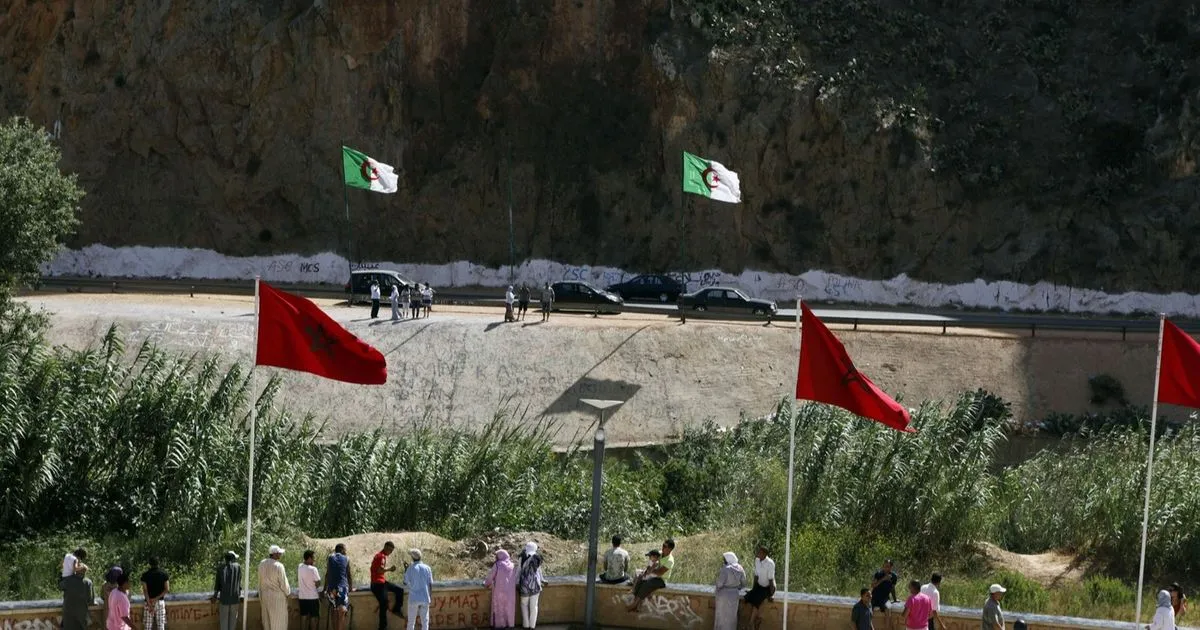
The trade relations between Morocco and Algeria have experienced a staggering decline of approximately 89% over the last five years, plummeting to around 740 million dirhams, equivalent to roughly 74 million USD, by 2025. This alarming trend reflects a sharp contraction in commercial ties between these two neighboring countries. The downturn follows Algeria's decision to sever diplomatic relations with Morocco in 2021, which was fueled by decades of escalating tensions rooted in various disputes, most prominently the conflict over the Western Sahara.
According to the annual foreign trade report released this week by the Moroccan Exchange Office, Moroccan exports to Algeria have dwindled from nearly 1 billion dirhams in 2021 to just 1 million dirhams, or about 102 thousand USD, by 2025. In parallel, Moroccan imports from Algeria have also seen a drastic decrease, dropping from 5.8 billion dirhams to 739 million dirhams during the same period.
Shifts in Import Patterns Highlight Economic Changes
In the past year, dates have emerged as the leading import from Algeria to Morocco, valued at over 481 million dirhams, representing approximately 65% of Morocco's total imports from Algeria. Other significant products included chemicals, wires, and copper and aluminum rods and profiles. This shift indicates a notable transformation in the trade composition between the two nations, as dates have usurped natural gas at the forefront of Moroccan imports from Algeria. The decline in gas imports occurred after Algeria halted the flow of gas through the Maghreb-Europe pipeline in October 2021, following its decision not to renew the gas transit contract to Spain and Portugal via Moroccan territory.
Previously, Morocco relied on a portion of its gas needs through transit fees linked to the Maghreb-Europe pipeline. After the cessation of Algerian gas supplies, Morocco pivoted to purchasing liquefied natural gas from international markets and re-gasifying it in Spain before transporting it back to the kingdom.
The Moroccan exports to Algeria, which have dwindled to almost negligible levels by 2025, are now limited to a few products including shoes, wood, electrical appliances, and textiles, according to data from the Moroccan Exchange Office reviewed by Asharq Business.
The stark figures of trade between Morocco and Algeria gain even more significance when considering the disparities in resources and production capabilities of the two countries, suggesting a vast potential for economic integration across various sectors. Algeria stands as a regional powerhouse in oil and gas production, while Morocco boasts a robust industrial and export base in phosphates and fertilizers, alongside other industries. Strengthening trade links could potentially open wider markets for businesses, diversify supply sources, and support the establishment of regional production chains, ultimately leading to reduced trade and transportation costs. However, the trade volume projected for 2025 underscores the limited realization of these potentials and the weak economic integration within the region.
Edrees Lakrini, a professor of international relations at Cadi Ayyad University in Marrakech and president of the Maghreb Labor Organization, emphasized that "the Maghreb region remains unable to transform its shared opportunities and potentials into actual economic cooperation," arguing that existing disputes hinder full benefits from geographic proximity. The restrictions on trade are not just confined to the bilateral relations of Morocco and Algeria, as trade among Maghreb nations constitutes only between 2% to 5% of their total trade, according to analysis published by the Stimson Center in May. This study attributed the weak intra-regional trade to stalled integration institutions and persistent political disagreements, particularly between Morocco and Algeria, whose land borders have remained closed since 1994.
Lakrini further remarked, in a statement to Asharq Business, that enhancing Moroccan-Algerian relations has become increasingly urgent, given the significance of both countries within the Maghreb space and the necessity to acknowledge mutual future interests in facing economic and international challenges.
Estimates from the International Monetary Fund indicate that increasing the integration of Maghreb nations could elevate each country's growth rate by approximately one percentage point on average in the long term. However, the fund notes that geopolitical considerations and restrictive economic policies continue to impede regional integration, with the World Bank previously describing the Maghreb as one of the least economically integrated regions globally. Lakrini views the region as having an opportunity to leverage its geographic proximity for development and to address shared challenges, cautioning that continued weak coordination may deprive its nations of benefiting from global economic shifts, especially amidst rising uncertainty with ongoing conflicts and increasing global risks.
As reported by asharqbusiness.com.