US-Israel Alliance Strengthens Military Strategies Against Iran
In a recent report published by the esteemed New York Times, a collaborative effort from journalists Julian E. Barnes, Eric Schmidt, Farnaz Fassihi, Nathan Odinheimer, and Ronen Bergman has revealed that the United States and Israel have reached a significant agreement to resume aerial strikes against Iran following the upcoming midterm elections in the United States. The timing is crucial as Israel also prepares for parliamentary elections at the end of this month, while American senators and representatives will face re-election at the beginning of next month.
According to American officials and informed sources cited in the report, both the American and Israeli military have devised detailed plans to launch new strikes against Iran once the election period concludes. These plans have been characterized by officials as being short-term and intensive, with both armies accelerating their training exercises. Israeli aircraft have been spotted flying over Iraq, conducting maneuvers in preparation for potential strikes. Notably, U.S. Secretary of Defense Pete Hegseth met with Israeli Prime Minister Benjamin Netanyahu earlier this week to discuss the impending operations. Targets are expected to include Iran's energy infrastructure, nuclear facilities, and missile and drone stockpiles.
Some officials have expressed concern that a significant wave of attacks could push the Iranian economy to the brink of collapse, compelling the nation to make diplomatic concessions after nearly eight months of ongoing conflict. However, the New York Times has raised doubts regarding the success of this new round of strikes, given the failure of previous attacks in February and April. Those earlier confrontations resulted in soaring energy prices and inflation globally, eroding security in the Middle East and significantly depleting the Pentagon's missile defense stockpile.
On the other hand, it remains uncertain whether former President Trump will approve a new military offensive, having previously exercised his veto power multiple times this year against plans for a return to large-scale combat operations. Notably, just this month, he halted imminent attacks as both the U.S. and Israeli forces were poised to strike.
Iranian officials have vowed this time to broaden their targets to include data centers, undersea internet cables, commercial vessels, and regional energy infrastructure, asserting that the conflict will not be swift or limited. As the United States mobilizes a massive military arsenal in the Gulf region by November, diplomatic efforts continue, with diplomats leveraging the threat of new warfare as a pressure tactic on Iran to concede on nuclear issues and the strategic Strait of Hormuz. Thus far, Iranian negotiators have offered no concessions regarding their nuclear program, insisting on postponing discussions until the final round of negotiations. Some U.S. planners believe that a new wave of intense strikes could be decisive, potentially leading to the collapse of the Iranian economy and forcing Iran to alter its stance.
Despite this, American officials have speculated about the Iranian regime's imminent collapse on several occasions, yet Tehran has thus far withstood the economic pressures. Dana Stroul, who previously served as the senior Middle East policy official at the Pentagon during the Biden administration, noted, "At this stage of the war, it is evident that the conventional military campaign waged thus far, alongside stringent economic sanctions and the American maritime blockade, has not effectively compelled the regime to return to the negotiating table." Stroul, now working at the Washington Institute for Near East Policy, added, "Neither Trump nor Netanyahu has made a compelling case for how war could change this strategic stalemate in a region increasingly rife with turmoil and conflict."
The upcoming Israeli elections scheduled for October 27 complicate these military plans. Experts suggest that if Netanyahu loses, he will lead a caretaker government, making it challenging for him to initiate a war. However, some analysts propose that Netanyahu might leverage the prospect of a joint U.S.-Israeli strike against Iran to pressure his opponents into joining a national unity government to manage the war, thus solidifying his grip on power. Following the Hamas attack on October 7, 2023, Netanyahu formed a national unity government that included opposition members to assist in national security decision-making.
Israeli political commentator and Netanyahu biographer, Mazal Maalem, stated, “He could use this as an opportunity to call for the formation of an expanded emergency government, but he will face deep skepticism from his political rivals.” Adding to this complexity, he remarked, “If Iran attacks, that’s one thing, but launching a counterattack will be exceedingly difficult for him.” Officials indicate there is little chance Trump will initiate a military campaign this month, as various political reasons likely compel him to wait until after the U.S. elections, particularly following his commitment at the beginning of the month not to authorize any attacks before voting.
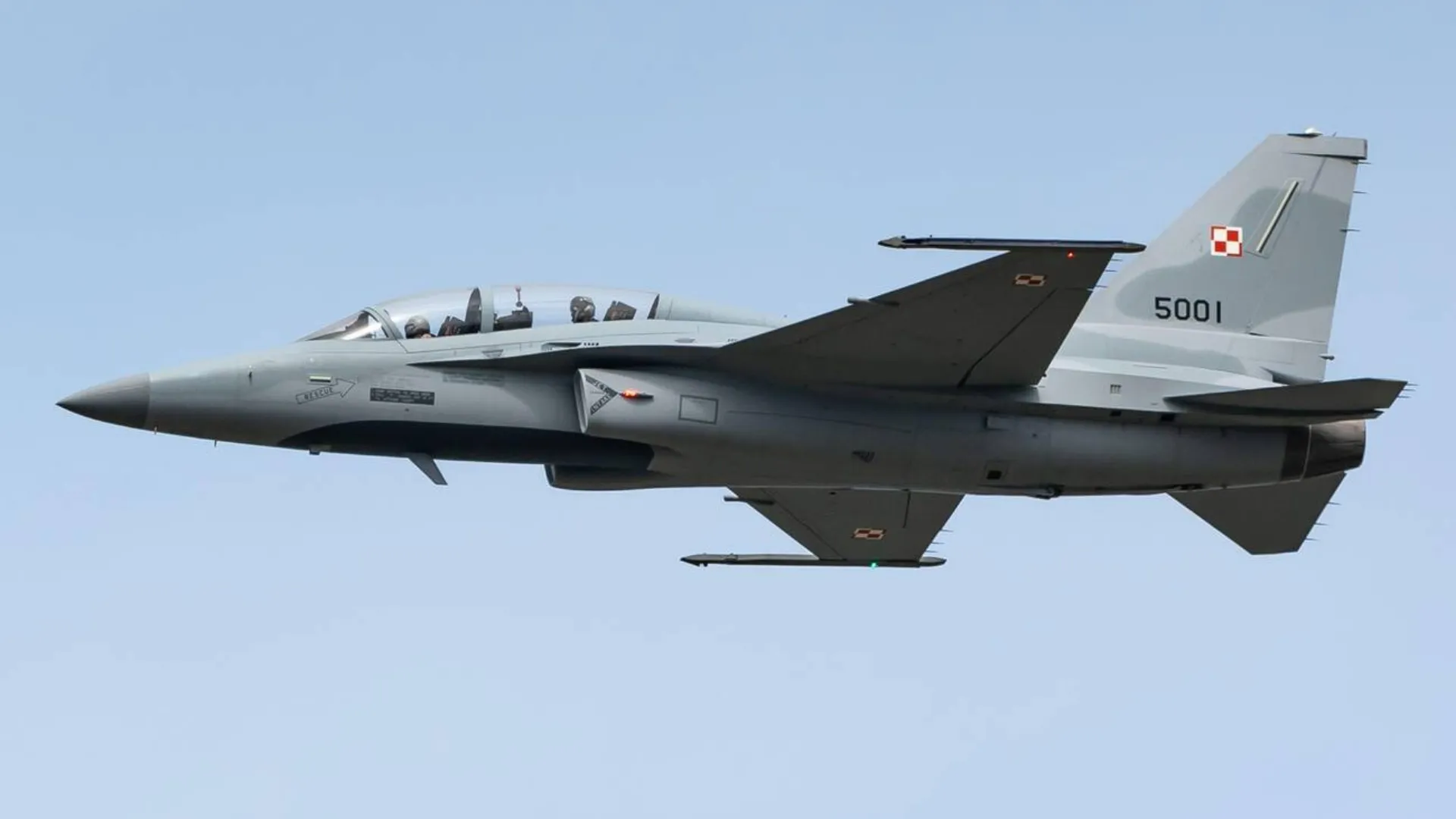
The United States will not be fully ready with its military might, including three aircraft carriers, thousands of Marines, fighter jets, and special operations forces, until early November. The U.S. military prefers to conduct attacks under the cover of darkness, which will increase as daylight hours shorten over Iran next month. There are also concerns that the conflict could escalate into a broader war. On Wednesday, the U.S. State Department ordered non-essential government personnel and their families to leave Saudi Arabia amid ongoing Houthi attacks on sites within the kingdom.
A White House official stated on Wednesday that the administration does not comment on military plans “that may or may not exist.” He added that Trump keeps all options on the table to ensure Iran cannot acquire nuclear weapons. Some officials have suggested that targeting will avoid oil refineries and oil infrastructure because Trump is keen on preventing a surge in fuel prices.
Sources indicate that the U.S. and Israeli military are working to establish operational plans against Iran's nuclear program, which may include an attack on the "Peak Axe" mountain, a deeply buried nuclear site referred to by the Iranians as Koh Kolang. Last week, Trump mentioned he was considering using the GBU-43/B bomb, weighing 22,000 pounds, against the "Peak Axe" site. Officials reveal that Trump is drawn to this weapon partly due to its nickname, “Mother of All Bombs.” However, armament experts caution that the Mother of All Bombs detonates above ground, creating a wide blast and is unlikely to destroy an underground site like "Peak Axe," which is composed of granite. Military officials have also warned that the bomb must be transported by a slow-flying MC-130 aircraft, making it vulnerable to Iranian air defenses.
Earlier this month, the U.S. and Israel were on the brink of striking Iran, but President Trump once again decided at the last minute to postpone the attack, according to U.S. and Israeli defense officials familiar with the details. This decision came shortly before the operation was to commence, following intense preparations and the elevation of both air forces to maximum readiness. The repeated planning, which followed Trump’s decisions to forgo new attacks, has led to daily confusion among military planners, according to a military commander who requested anonymity, as they strive to remain prepared to execute any military option Trump may decide upon in the coming weeks. In every round of conflict thus far, the Iranian leadership has become less inclined to negotiate, convinced that the ultimate goal of the United States and Israel is their overthrow.
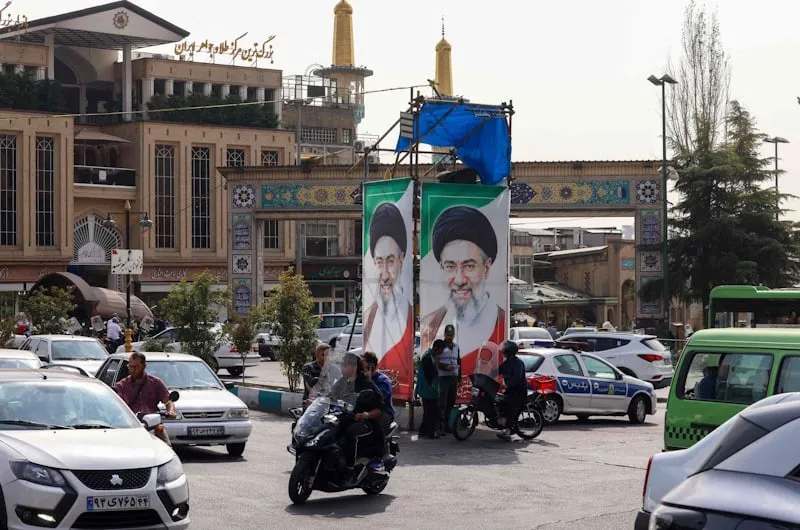
The new supreme leader of Iran, Ayatollah Mojtaba Khamenei, remains an enigma to U.S. and Israeli intelligence officials. Some officials believe he does not possess the same authority as his father, who was killed at the start of the war, and that hardline members of the Iranian Revolutionary Guard have made critical decisions. Meanwhile, Iranian officials assert they are aware of U.S. war planning and are working to develop their own objectives and strategies.
Political analyst Payman Salehi in Tehran remarked that if "Peak Axe" were attacked, part of Iran's response plans would involve targeting major oil refineries in Saudi Arabia, including Aramco, as this would lead to an immediate spike in oil and energy prices. Salehi noted, "The war has made us realize that the best way to pressure Trump is to raise oil and energy prices, as this will harm the American people."
As reported by alquds.co.uk.