Exploring the Rich Tapestry of Moroccan-Jewish Relations
In the vibrant heart of Morocco, particularly in the enchanting city of Marrakech, the intertwined histories of Muslims and Jews are not merely footnotes in the past but living testimonies that shape the present. A recent experience of accompanying an Israeli friend to a synagogue highlights both the richness of this heritage and the complexities that arise in contemporary Moroccan society. This friend, deeply connected to both Israel and Morocco, sought to explore the cultural and historical bonds that define our shared narrative. However, what was meant to be a meaningful journey turned into a confrontation that raised more questions than answers about safety and identity in Morocco.
A Walk to the Synagogue: From Anticipation to Confrontation
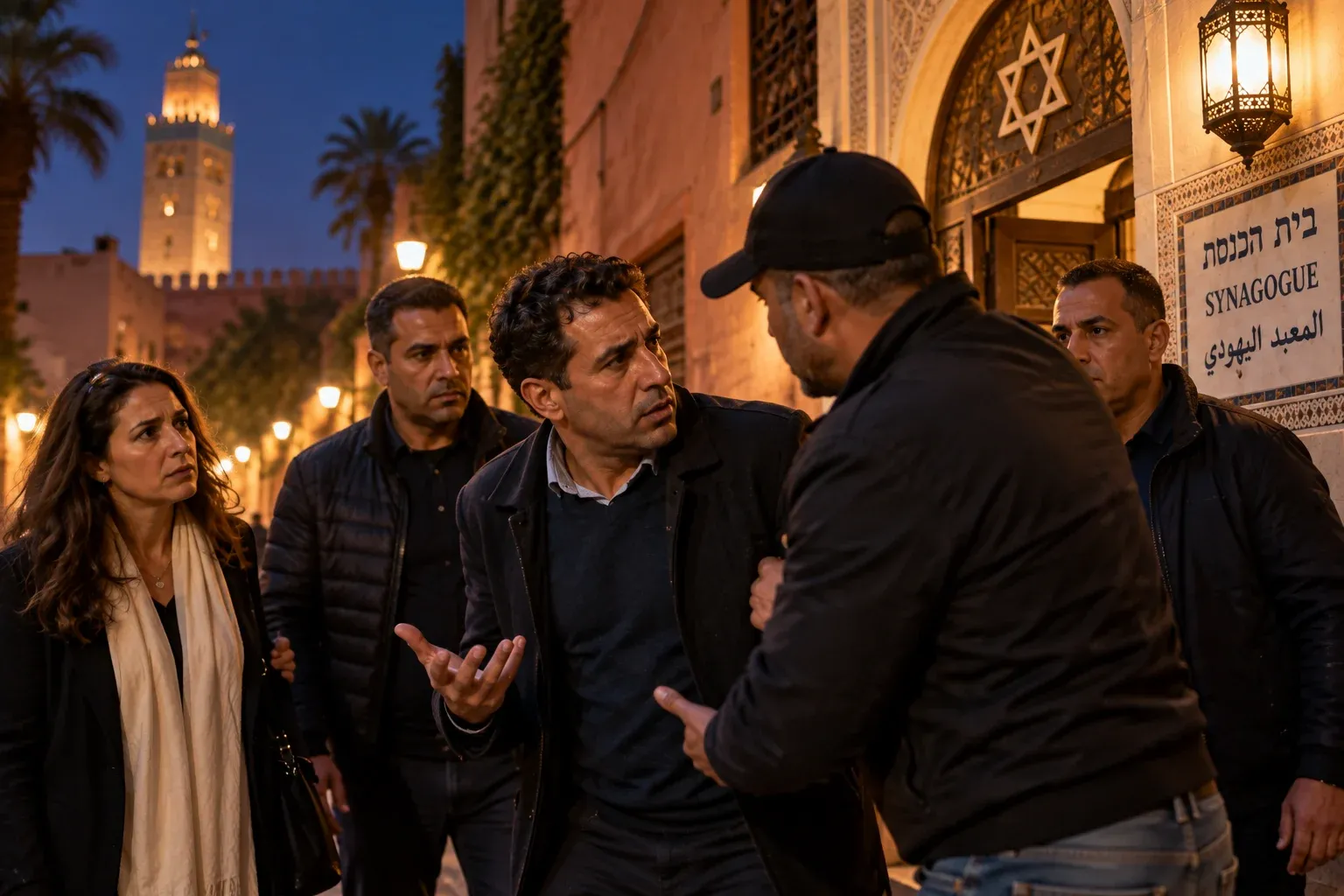
As we strolled through the historic Medina of Marrakech, the atmosphere was filled with a sense of joy and anticipation. My friend, an Israeli Jew with Moroccan roots, was eager to witness the coexistence that I have long championed in my work as a journalist and peace activist. Our intention that day was simple: to celebrate our friendship and the rich tapestry of our cultural heritage. However, as we approached the synagogue, our experience took an unexpected turn. An unidentified man emerged from the shadows, confronting me without any indication of his authority or intentions. The fear and uncertainty of that moment were palpable, leaving me to question not only my safety but the overall state of openness and acceptance in Morocco.
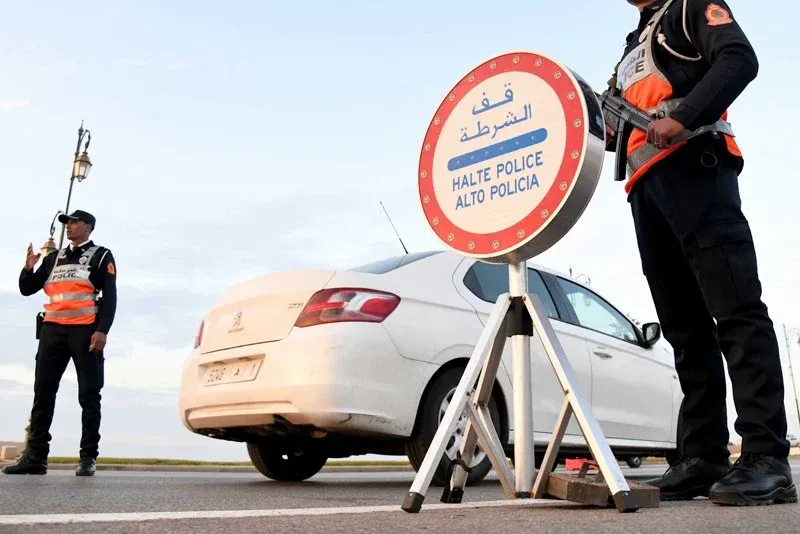
Despite my pleas for identification, the man’s refusal to reveal himself compounded my confusion and fear. It was only later that I learned he was affiliated with Morocco's domestic security. The arrival of uniformed police initially provided a sense of relief, but that relief was short-lived as I found myself detained and subjected to intense questioning. The experience was not only physically painful but also deeply humiliating, as I was stripped of my dignity while trying to explain my actions as a Moroccan citizen. This incident starkly contrasted with the Morocco I have always sought to promote—a place where Jewish heritage is celebrated and coexistence is embraced.
Upon my release, I was left grappling with the implications of what had transpired, not just for me but for my friend, who had come to Morocco to experience the warmth and hospitality that our culture embodies. Instead of witnessing the beauty of Muslim-Jewish friendship, she observed an encounter marked by intimidation and fear, tarnishing the very image of Morocco I wished to convey. The bruises on my body may have faded, but the questions surrounding the legitimacy of my detention and the treatment I received lingered in my mind, urging me to seek accountability and clarity from the authorities.
Recognizing the importance of addressing this issue, I filed a formal complaint with the police in Marrakech, not assuming that the actions of a single individual reflected the entire institution. I firmly believe that the integrity of Morocco’s commitment to preserving its Jewish heritage and fostering coexistence is paramount. The response from authorities thus far has been a mixed bag; while there was concern for my friend’s safety, the lack of a clear explanation for my detention leaves much to be desired. In a nation that prides itself on its rich history of tolerance and diversity, it is essential that both Moroccans and visitors alike feel secure and welcomed.
The essence of Moroccan identity is deeply tied to its Jewish heritage, a narrative that has been embraced and celebrated, especially under the leadership of King Mohammed VI. As Morocco continues to build bridges with Israel, it is crucial that the values of tolerance, respect, and coexistence are not merely upheld in diplomatic circles but also in the everyday interactions of its citizens. The true test of our progress lies not just in restored synagogues or official recognition but in the lived experiences of individuals who seek to connect across cultural divides.
As I reflect on this incident, I am reminded of the broader implications for coexistence in Morocco. If the fear of scrutiny or intimidation begins to overshadow the desire for connection, we risk creating an environment where citizens hesitate to engage with their heritage or embrace friendships that cross cultural lines. The path towards genuine coexistence requires courage and transparency from our institutions, ensuring that every Moroccan feels empowered to explore the rich tapestry of our collective history.
Ultimately, my hope is that Morocco can rise to this challenge, reinforcing its commitment to coexistence and ensuring that every individual, regardless of their background, can walk freely alongside friends towards a synagogue or any other place of significance. It is this vision of a Morocco where everyone feels safe to express their identity and build relationships that I strive to uphold and promote.
As reported by blogs.timesofisrael.com.