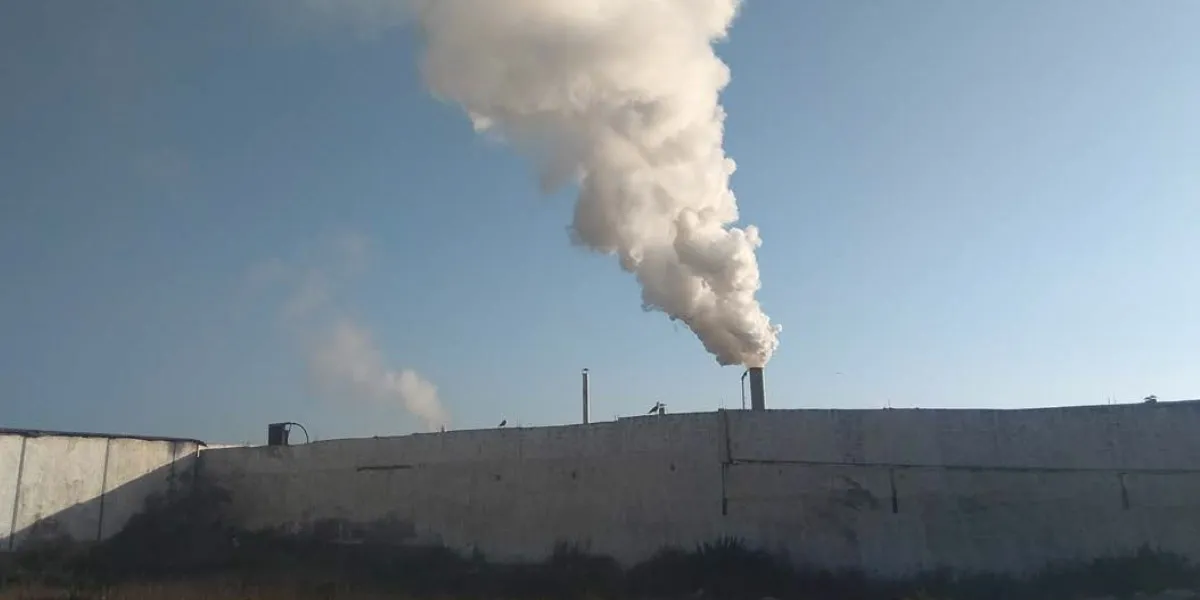
Advancements in Air Quality Management in Urban Areas
Effective management of air quality in urban-industrial settings is crucial for public health and environmental sustainability. This is especially true for regions like Charleroi, Belgium, where industrial activities can significantly impact air quality. Recent research has emphasized the need for accurate assessment of particulate pollution and the development of reliable forecasting methods to anticipate air quality changes. A comprehensive study conducted between 2020 and 2023 involved collecting and analyzing 206,184 half-hourly observations of particulate matter, focusing on locations such as Marchienne-au-Pont, Charleroi, and Lodelinsart. The research aimed to identify temporal variability and the short-term predictability of a particulate air-quality index, ultimately contributing to better air quality management strategies.
Methodology and Findings
The study employed a range of advanced machine learning techniques, including k-nearest neighbors, Random Forest, Decision Tree, Gradient Boosting, AdaBoost, and Neural Networks. These methods were evaluated through expanding-window validation, alongside an independent test conducted in 2023. One of the critical findings of the research was the average particulate index, which was highest at Marchienne-au-Pont (35.13), followed by Lodelinsart (31.62) and Charleroi (28.60). Notably, PM2.5 was found to dominate the index in 67.63% to 74.84% of observations, indicating its significant role in air quality assessments. The study also revealed that tree-based models produced exceptional R² values exceeding 0.999 during contemporaneous testing, demonstrating their efficacy in accurately predicting air quality based on real-time data. Furthermore, the one-hour forecasting capabilities achieved R² values ranging from 0.857 to 0.920, showcasing the potential for these models to inform timely air quality alerts. As the time horizon extended to six and twenty-four hours, the predictive accuracy decreased, underscoring the challenges of long-term forecasting in this context.
The implications of these findings are profound, as they highlight the necessity for rigorous data quality verification and the importance of separating contemporaneous index estimation from genuine future forecasting. While the study's results are promising, they are also provisional due to the lack of monitoring-agency confirmation of pollutant identities and processing histories. Thus, further validation and confirmation are essential for operationalizing these predictive models in real-world applications.
As reported by nature.com.