Boycott Movement Grows in Response to High Chicken Prices in Morocco
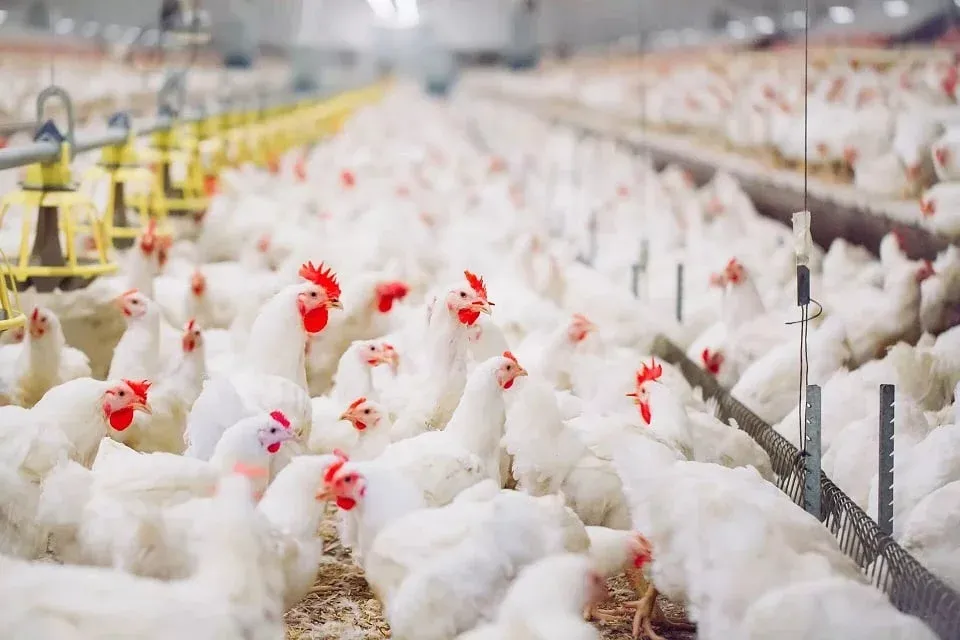
The recent surge in chicken prices in Morocco, reaching close to 30 dirhams per kilogram in various retail outlets, has ignited a boycott campaign across social media platforms. This situation has raised significant questions regarding the underlying causes of this price increase and the potential effectiveness of a boycott to bring prices down. Amidst this backdrop, Mohamed Abboud, the president of the National Association of Broiler Chicken Producers, has attributed the price hike to the market withdrawal of small and medium-sized producers. He explains that these producers suffered substantial losses during periods of price collapse, which weakened competition and resulted in reduced supply in the market.
In a letter addressed to the newly appointed Minister of Agriculture, Khalid Hatimy, Abboud highlighted that the previous drop in chicken prices to just seven dirhams per kilogram led to losses exceeding ten dirhams per kilogram for producers. Some were even forced to sell their chickens for as low as four or five dirhams in the lead-up to the last Eid al-Adha, without any intervention from the ministry to assist them during this crisis. Abboud criticized the exclusion of small producers from important agreements and decisions that impact the sector, blaming what he terms a "control lobby" or "chicken brokers" for limiting chick production and controlling supply. He asserts that the current high prices cannot be justified by the cost of animal feed or chick production, which he claims have remained stable.
Consumer Impact and Market Analysis
According to Abboud, chickens from farms located around Casablanca are sold at prices ranging from 21 to 22 dirhams per kilogram, while in Tangier, they are around 23.5 dirhams. By the time they reach consumers, however, the prices escalate to nearly 30 dirhams. He notes that the decline in sales is also adversely affecting retailers, who find themselves in a losing position as well. "Alongside the boycott campaign on social media, the reluctance to purchase chicken is now clearly noticeable in the market. I too am currently boycotting chicken purchases. I cannot buy it at this price, and I am also not satisfied selling it to consumers at this rate," he declared.
Abboud advocates for public investments and assistance to ensure that chicken can be sold to consumers at a price of 15 dirhams per kilogram. He emphasizes that expanding the base of producers and establishing industrial slaughterhouses would enhance competition and help stabilize prices. Hassan Ait Ali, president of the Moroccan Consumer Protection Observatory, expressed concern that the price of approximately 30 dirhams places a heavy burden on household purchasing power. He pointed out that prices are not uniform across the country and that this increase could compel families to either reduce their chicken consumption or absorb the costs at the expense of other essential needs.
The activist supports a "conscious, voluntary, and peaceful" boycott, suggesting that a decrease in demand might exert pressure on prices, although he cautions that immediate reductions are not guaranteed. The outcome also depends on supply levels, production costs, and responses from market players. The Observatory calls for an examination of distribution channels and profit margins, as well as an investigation into any serious signs of illegal practices or agreements that restrict competition, with any findings referred to the appropriate authorities, such as the Competition Council.
Furthermore, it urges the relevant ministry to clarify the situation regarding production and supply, along with the evolving costs of feed and chicks, and to address any confirmed imbalances while protecting small producers to help stabilize both supply and prices.
As reported by yabiladi.com.