Revolutionizing Morocco's Infrastructure Financing
Morocco is making significant strides towards hosting the global sporting event in 2030, embarking on an ambitious transformation of its transportation infrastructure. Key projects include the extension of the high-speed train line from Kenitra to Marrakech, the development of regional express services (RER), the new continental highway connecting Rabat and Casablanca, and a comprehensive upgrade of the country's airport capacities. This remarkable transformation is not only about construction; it also involves ensuring the sustainability of these investments. To achieve this monumental deployment without overburdening public finances, the Kingdom of Morocco has devised an innovative financial framework.
According to a report published by the National Agency for Strategic Management of State Holdings (ANGSPE) on October 22, the mechanisms outlined for these structural projects aim to reduce pressure on the general budget by approximately 100 billion dirhams. This new public financing model seeks to liberate itself from historical dependence on the national budget by focusing on asset valuation, the securitization of future cash flows, and strengthening the financial autonomy of public enterprises.
Funding the Modernization of Airports and Expanding Rail Networks
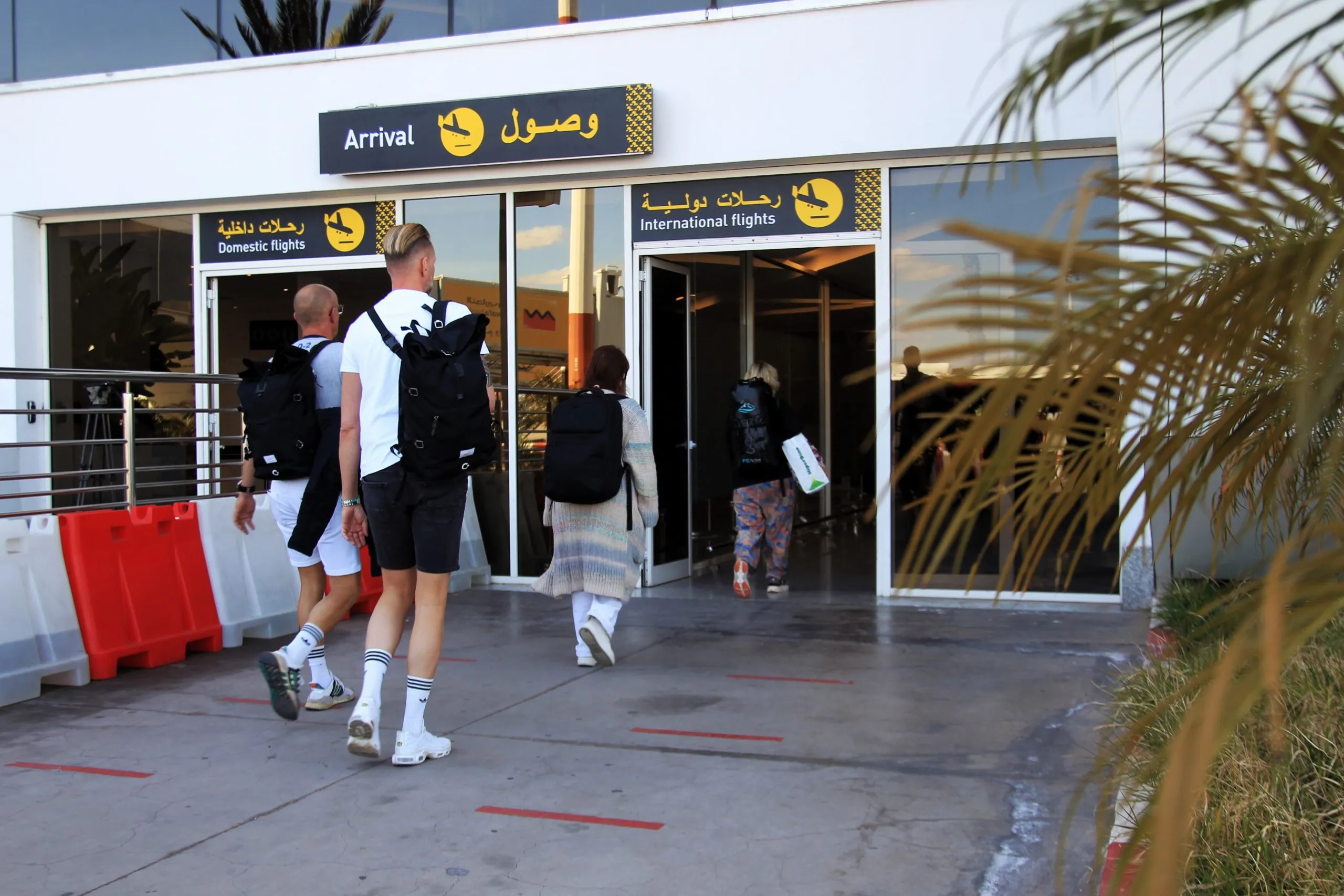
The National Airports Office (ONDA) is set to invest 38 billion dirhams for the modernization of airports, with 25 billion allocated for expanding airport capacities and 13 billion reserved for upgrading equipment and land acquisition. The financial architecture includes a 20-year securitization plan that will mobilize 5 billion dirhams through fees paid by ONDA to the state for public domain usage. Additionally, 25 billion dirhams will be generated from bond issues, banking facilities, and multilateral loans exempt from state guarantees, tapping into the savings of pension funds and insurance companies. The remaining 8 billion dirhams will be directly funded by ONDA.
The railway sector will also see one of the most significant investment efforts, focusing on high-speed connections between Kenitra and Marrakech, as well as regional express services in Casablanca, Rabat, and Marrakech. The financial plan structured by ANGSPE estimates an investment of 53 billion dirhams, with 5 billion coming from direct public contributions and 48 billion raised through bank loans from the five participating regions (Tangier-Tetouan-Al Hoceima, Fez-Meknes, Rabat-Salé-Kenitra, Casablanca-Settat, and Marrakech-Safi). These operations, denominated in dirhams, eliminate any currency risk, allowing the National Office of Railways (ONCF) to progressively service the debt as new lines commence commercial operations and generate operational revenues, all without requiring sovereign guarantees.
On the highway front, the National Company of Highways of Morocco (ADM) plans to inject 14.5 billion dirhams by 2032 into key projects such as the Rabat-Casablanca continental highway and the Tit Mellil-Berrechid section. The financing model, endorsed on March 21, 2025, focuses on two pillars: the securitization of fees and bond issues without sovereign guarantees. The monetization of public domain occupation fees over two decades is expected to generate 7 billion dirhams, enhancing the equity base of the company and ensuring the long-term solvency of highway management.
As reported by atalayar.com.